




Asthma
Latest News
Advertisement
Latest Videos




CME Content












































Advertisement
More News
Dr. Castro defines type 2 inflammation and the complications surrounding severe asthma, as well as several biomarkers including IgE levels, blood eosinophils, and exhaled nitric oxide.

Though previous studies have measured different levels of physical activity, few before this have considered the interrelationship involving body mass index and childhood asthma control.

As predicted, previous asthma during early childhood was a strong risk factor for asthma in young adulthood.

Dr. Papadopoulos reports on new phase 3 data from the LIBERTY VOYAGE ASTHMA study on patients aged 6-11 with moderate-to-severe asthma.

In an interview with HCPLive, Dr. Jean-Pierre Llanos-Ackert and Dr. Bill Cook discuss how tezepelumab resulted in improved lung function and an 86% reduction in exacerbation rates in this patient population.

Despite cautionary programs and air purifiers having been installed in the school to alleviate allergic symptoms, investigators found they did not significantly reduce symptom-days.
Dr. Castro and Dr. Rizzo discuss the evolving world of monoclonal antibodies for severe asthma. Plus, the ALA team discusses September's annual Asthma Peak Week, and what it means for reopening schools.

As with previous studies, the investigators found that the biologic aided in reducing severe exacerbations and improving lung function in patients with evidence type 2 inflammation.

Despite conflicting data, investigators form Spain found that gastroesophageal reflux disease and asthma are bidirectional, with each disease exacerbating each other.

Investigators found that intralymphatic immunotherapy of was not superior to placebo or other forms of allergen-specific immunotherapy, but felt continued research was warranted.

Investigators found that despite a lack of infrastructure on pediatric quality improvement, higher-performing hospitals can sustain cost-effective strategies for pediatric asthma care.

Though no research on the effects of positive emotion intervention on children with asthma exist, investigators note that the methods have shown positive results in other health contexts.

A new follow-up study highlights the efficacy and safety of the daily oral immunotherapy in. younger patient populations.

A new study suggests the Asthma Predictive Index can be used as a simple, noninvasive tool for determining asthma in preschoolers.
Research showed that the second dose of the COVID-19 vaccine was well tolerated by patients who experienced allergic reactions from their first dose.

The biologic can now be used as an add-on maintenance treatment for patients who have struggled with former treatment and surgeries.

Researchers in North Carolina recorded improvements in pediatric healthcare utilization partly attributed to a lack of exposure to allergens and other exacerbations.

The new kinoid vaccine has shown positive results in mice with human proteins, and the France-based team remain optimistic of human trials in the future.

Roughly 60% of participants in the SINUS-24 and SINUS-52 trials reported improvements in the severity of loss-of-taste.

Researchers in the UK recommend early detection and treatment of food allergy and sensitization to avoid complications in adulthood.

Dr. Jorge Maspero speaks of the complications of severe chronic rhinosinusitis with nasal polyps and how dupilumab could improve the daily struggles patients face.
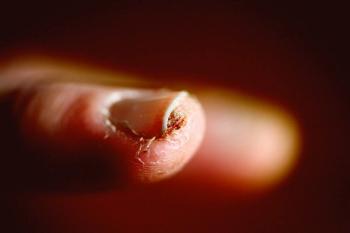
Despite a global decrease in asthma deaths, researchers say the disease is particularly threatening to patients with atopic dermatitis.

Dr. Jorge Maspero speaks of the recent successes of the two newest trials, and what they could mean for the future of chronic rhinosinusitis management.
The new PDUFA date for the biologic has been scheduled for early 2022.

Researchers found that different pets elicit different allergy responses in child participants.
Advertisement
Advertisement
Trending on HCPLive
1
Don't Miss a Beat: What Lp(a)HORIZON and ZEUS Teach About Clinical Trial Science
2
What’s New in the 2027 GOLD Report for COPD
3
Enlicitide Lowers LDL-C Consistently Across PREVENT CVD Risk Categories
4
Rezpegaldesleukin's Early Treg Signal in AD: Emma Guttman-Yassky, MD
5