






Asthma
Latest News
Advertisement
Latest Videos






CME Content




























































Advertisement
More News

Investigators developed and validated a tool for daily assessment of asthma control that can be utilized in clinical trials as an endpoint.

The results of a comprehensive meta-analysis indicate a high prevalence of comorbidities among asthma patients, emphasizing the importance of effective treatment strategies.

Where access to healthcare is limited, the impact of diagnostic bias based on skin tone can result in a greater burden of disease and even more deaths, especially for Black individuals.

An investigation utilizing machine learning (Recursive Ensemble Feature Selection, REFS) identifies potential biomarkers for asthma control in pediatric patients.

Practicing oral hygiene improves health issues from gum disease to cardiac disease, and Lebovic believes nasal hygiene can have that impact as well.
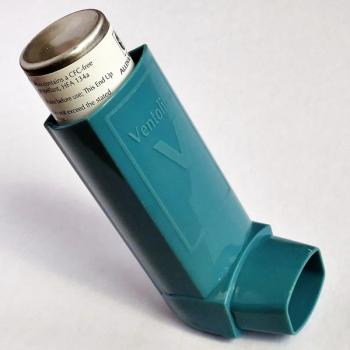
In recent data presented at the AAAAI annual meeting, dupilumab was found to have outperformed both mepolizumab and omalizumab in FEV1 improvement for asthma patients.

Approximately 42% of prodrome-associated DEGs were also associated with hereditary angioedema attacks, indicating that multiple enriched gene networks with common hub genes and upstream regulators are shared between the prodromal and acute attack stages.

A research letter addresses the challenges of accurately diagnosing asthma, atopic eczema, and allergic rhinitis in children under 5 years old and the use of Read codes and prescription data as diagnostic criteria.

Findings demonstrated a significant association between having an asthma management plan and use of inhaled or oral medicine, independent of country income and asthma severity.

New research was conducted regarding air pollution and other elements affecting asthma cases in urbanized settings.

The biologic from Amgen and AstraZeneca was approved for self-administration in a pre-filled, single-use pen for patients aged 12 years and older with severe asthma.

The specific mechanisms involved in associations between air pollution and respiratory illness without viral infection are not understood, especially compared with those of respiratory viruses and asthma exacerbation.
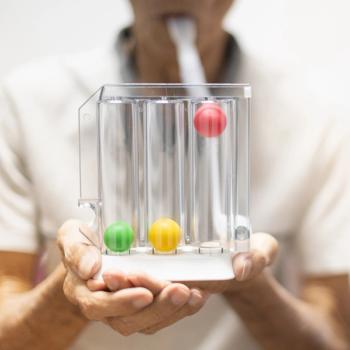
Clinician awareness is imperative with this comorbidity because overestimated asthma severity often results in over-treatment, according to investigators.

The relationship between C-section and childhood asthma has been investigated before, however, previous results have yielded conflicting evidence.
The medication was approved for the as-needed treatment or prevention of bronchoconstriction and to reduce the risk of exacerbations in people with asthma aged 18 years and older.

Children at risk for developing asthma may see benefits from a new screening tool developed to detect symptoms in children age 3 and up.

Cases and hospitalizations due to EV-D68, a rare form of enterovirus associated with acute flaccid myelitis (AFM), have been increasing among children across the country.

Late-breaking data presented at ERS Congress 2022 show that inhaler sensors and mobile health (mHealth) applications combined with pharmacist counseling improved treatment adherence for patients with uncontrolled asthma.

The agency has taken new action against Juul while experts worry about youth addiction and health impacts. But the e-cigarette market has been already well established in the US.

A new study from SLEEP 2022 showed asthmatic children have a 10 times greater risk of the condition, and are twice as likely to have a history of snoring.

Safety and efficacy data for the oral asthma therapy was presented at a late-breaking session at ATS 2022.

Investigators defined AHR as “a hallmark of persistent asthma”, noting that it could also be assessed via indirect challenge with mannitol.

In particular, airway epithelial cells (AEC) in allergic asthmatic (AA) were shown to upregulate mucus metaplasia, matrix-remodeling, and glycolytic programs while failing to upregulate antioxidant genes.

Results from the 2 APPaRENT trials suggest regular inhaled corticosteroids/LABA alone or with short-acting beta agonists were the preferred treatment approach with physicians.

Dr. Lugogo explains how the ProAir Digihaler was used to accurately monitor SABA use in patients with asthma -many of whom were overusing their medication- which could allow clinicians to make appropriate changes to treatment.
Advertisement
Advertisement
Trending on HCPLive
1
FDA Approves Obinutuzumab (Gazyva) for Idiopathic Nephrotic Syndrome
2
The Case for Routine Kidney Screening, With Pranav Garimella, MBBS, MPH
3
Hereditary Angioedema Triggers, Prodromes Mapped in US HAEA Registry
4
The HCPFive: Top News for Healthcare Providers from the Week of 09/20
5