





Asthma
Latest News
Advertisement
Latest Videos
CME Content




























































Advertisement
More News

Chambliss also discussed other research she is working on looking to understand effects on children with asthma.

A real-world study shows benralizumab significantly reduced severe asthma exacerbations in older adults, with a 43.5% decrease in annual rates.

Lipworth shared findings from 2 studies that he presented data from at the AAAAI/WAO Joint Congress.
Chambliss and colleagues found a 1% increase in asthma-related emergency department visits per unit of distance to semiconductor fabrication plants.
This February 2025 month in review covers key pulmonology updates, including FDA reviews for brensocatib and PRGN-2012, dupilumab’s COPD data, and wildfire air quality risks.

Findings were presented from the AROMA registry study in 3 abstracts at the AAAAI,WAO Joint Congress.

Subgroup analyses of the real-world REALITI-A study were presented at the 2025 AAAAI/WAO Joint Congress.

There was a 79% relative reduction in annualized asthma exacerbation rate in the 6 months after starting treatment compared with the prior 6 months.
Dupilumab improved R5–R20 and AX compared to placebo, possibly explaining improvements in disease control.
In this quiz, we test your knowledge of the latest guideline recommendations for aspirin therapy in AERD.

Three subgroup analyses of the phase 3 NAVIGATOR study are set to be presented at the AAAAI/WAO Joint Congress.

Targeted Genomics’ GHR test uses NGS to detect genetic variants in genomic DNA isolated from at-home collected saliva samples.

Despite being aware of its value in treating asthma, specialists were uncertain about integrating ITT into patient care.


Frevecitinib is a novel inhaled dry powder therapeutic in development for asthma that remains inadequately controlled by SOC inhaled maintenance therapies.
The study also revealed a predominant T2-low asthma endotype in majority Puerto Rican and Black or African American youth populations.

Among multiple issues were confusing and conflicting misdiagnoses of asthma.

CRN declined from 23.2% to 13.1% between 2011 and 2022 but still affects around 2.5 million adults in the US.

New findings cast doubt on required black box warnings for montelukast (brand name Singulair).
This interview in the latest issue of The Respiratory Report features Stephen Schworer, Md, PhD, discussing the role of mucus plugging in severe asthma.

Exploring mucus plugging in severe asthma, focusing on small airway dysfunction, MUC5AC expression, and epithelial heterogeneity using advanced methods.
This summarizes the latest in our pulmonology research quarterly newsletter powered by the American Lung Association Research Institute.

Medicare has selected 15 additional drugs to negotiate prices directly with participating drug companies, including semaglutide (Ozempic).

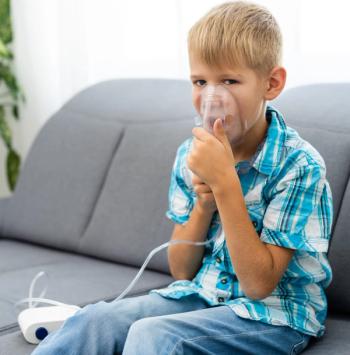
Current asthma diagnosis requires specialized breathing tests that can be challenging for young children.

These findings on asthma healthcare utilization resulted from the lack of a winter peak in RSV during the first months of the COVID-19 pandemic.
Advertisement
Advertisement
Trending on HCPLive
1
FDA Approves Obinutuzumab (Gazyva) for Idiopathic Nephrotic Syndrome
2
The Case for Routine Kidney Screening, With Pranav Garimella, MBBS, MPH
3
Hereditary Angioedema Triggers, Prodromes Mapped in US HAEA Registry
4
The HCPFive: Top News for Healthcare Providers from the Week of 09/20
5