






Asthma
Latest News
Advertisement
Latest Videos



CME Content




























































Advertisement
More News
September 2025 saw 1 new approval, new long term data on smoking and emphysema, and more.

A meta-analysis confirmed CARATkids as a reliable tool for assessing asthma and allergic rhinitis control in children aged 6–12 years.

AstraZeneca's Airsupra gains FDA approval for mild asthma, expanding its current label.

The EXHALE-4 study evaluating the oral small molecule has met its primary endpoint of improving pre-BD FEV1.
August 2025 saw a number of novel approvals and expert perspectives for World Lung Cancer Day.

Combining salivary bacteria, serum markers, and past attack history improves risk prediction for severe asthma attacks in children.

Discover how precision medicine and advanced biologics are revolutionizing COPD and asthma management, enhancing patient outcomes and quality of life.

Clinicians explore the evolving landscape of asthma and COPD treatment, emphasizing the role of biologics and biomarkers in personalized patient care.

Experts discuss the evolving management of asthma and COPD.

New research finds patients with severe allergic asthma had greater emotional regulation than those with venom anaphylaxis, despite reporting poorer physical well-being.

Discover how recent advancements in biologic therapies transform severe asthma treatment, emphasizing personalized care and the importance of biomarker-driven decisions.
Explore the latest advancements in pulmonology, including FDA approvals and breakthrough therapies for COPD, PAH, and rare respiratory diseases.
Q2 2025 saw new therapies approved for a number of rare disease indications, multiple of which serve as the first disease-modifying therapies in the landscape.
Q2 2025 saw new therapies approved for rare rheumatological conditions and exciting research out of EULAR.
Q2 2025 saw more research emerge in asthma therapeutics and management as well as rarer pulmonary diseases.
June 2025 saw more research emerge in asthma therapeutics and management as well as rarer pulmonary diseases.

Discover how advancements in biologic therapies and precision medicine are transforming asthma and COPD management, enhancing patient care and outcomes.

Although limited, recent research has indicated overall positive results of dupilumab in both reducing severe exacerbations and lowering risk of control loss.
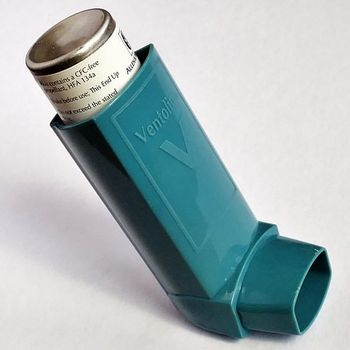
In this analysis, investigators highlight preferential options for the initial step-up of treatment among children with uncontrolled asthma on inhaled corticosteroids.

Phase 4 data highlight dupilumab’s superiority to omalizumab for all primary and secondary efficacy endpoints of CRSwNP, and in all asthma-related endpoints.

Systematic review and meta-analysis findings support recent guidelines advising against short-acting beta-agonist monotherapy for asthma management.

Discover how recent advancements in biologic therapies are transforming asthma and COPD management, emphasizing personalized care and improved patient outcomes.

Explore the latest advancements in biologic therapies for asthma and COPD discussed in a recent clinical forum highlighting personalized medicine and biomarker-driven strategies for improved patient outcomes.
Discover the latest advancements in pulmonology, including innovative treatments for asthma, COPD, and pulmonary sarcoidosis, showcased at ATS 2025.

Advertisement
Advertisement
Trending on HCPLive
1
FDA Approves Obinutuzumab (Gazyva) for Idiopathic Nephrotic Syndrome
2
The Case for Routine Kidney Screening, With Pranav Garimella, MBBS, MPH
3
Hereditary Angioedema Triggers, Prodromes Mapped in US HAEA Registry
4
The HCPFive: Top News for Healthcare Providers from the Week of 09/20
5