



Asthma
Latest News
Advertisement
Latest Videos


CME Content




























































Advertisement
More News

This analysis looked at the potential connection between SARS-CoV-2 test positivity and new asthma diagnoses.

The FDA approval of benralizumab for patients ages 6 to 11 with asthma follows the conclusions of the phase 3 TATE study.

This analysis highlights trends following the significant update made to the Global Initiative for Asthma and the National Heart Lung and Blood Institute asthma guidelines.

In this new research, different populations of Black and Latinx individuals are facing long-term impacts of air pollution in the city of Austin.

On March 07, 2024, Boehringer Ingelheim announced it would be instituting a $35 per month out-of-pocket cost cap for its portfolio of inhaler products, with this cap going into effect on June 01, 2024.

These mental health outcomes were seen among those with self-reported COPD and asthma, though not among individuals with objective diagnoses based on spirometry.

This is the first instance in which a patient without a response to sequential bronchial thermoplasty, dupilumab, benralizumab, and mepolizumab ended up with a strong clinical response to tezepelumab.

These findings, to be presented at AAAAI, may help to expand upon clinicians’ awareness of the mechanics of air pollution’s effect on asthma.

This analysis, to be presented at AAAAI, suggests that adolescents’ attendance of daycare may lead to decreased IgE levels and diminished food and aeroallergen sensitization rates.

These data may allow for future research into the ways in which adolescent patients may better control their allergic condition.

This review and meta-analysis yielded results which confirmed prior data on maternal asthma and neonatal outcomes, in addition to establishing several new findings.

While this research did culminate in strong evidence regarding weight loss and its effects on lung airway responses, the precise mechanism for this phenomenon remains unknown.
From breakthroughs in disease intervention and vaccines, to global developments in air quality and COVID-19, Lungcast reflects on the people and stories that shaped this year in pulmonology.
Lungcast is joined by an environmental engineer to discuss the burden of harmful air in US school systems today.

The study’s investigators suggest the results in this patient population may indicate rises in clinically diagnosed viral infections from viruses other than SARS-CoV-2 following pandemic lockdown changes.

This new research looked at a nationwide birth cohort of mother–child pairs in Japan, allowing for a wide array of data on this less well-studied topic.

This new data indicates both the high mental health burden on this patient population as well as the usefulness of integrated behavioral health care teams in clinics with a pediatric specialty.
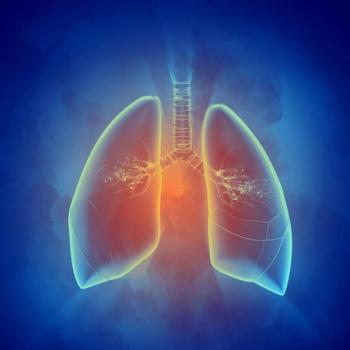
Though primarily observational, this research’s biggest asset is its experimental design and its exploration of viral stimulus-induced bronchial epithelial cell responses from asthmatic donors being treated with tezepelumab.

Prediction Model Effective for Community-Acquired Pneumonia in Those with Acute Asthma Exacerbations
This newly-developed prediction model evaluating CAP risk was noted as having demonstrated accuracy, strong discriminatory qualities, and practicability in clinical settings.
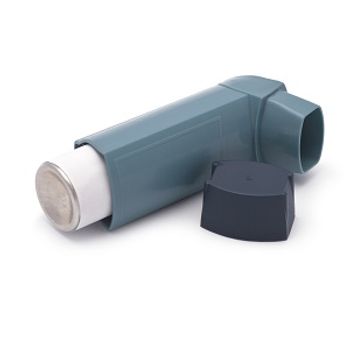
This study indicated the potential of PDLs as a strategy for those that have HDHP-HSAs to address both patient access and affordability of asthma care.

New research on the effects of the Canadian wildfires on asthma syndrome in patients sheds light on the downstream effects of ecological disaster on regions outside of those affected.

These findings highlight the potential of dupilumab treatment in improving lung function among children that are shown to have uncontrolled, moderate-to-severe type 2 asthma.
These new findings may help shape both the design and the use of an educational intervention on technology-based inhaler techniques for patients with pediatric asthma.

This new analysis indicated that on-treatment remission of asthma could be viewed as a realistic goal for individuals with severe asthma who are treated with biologics.

This new data suggests substantial effects of socio-economic factors in the early stages of a child’s life and their impact on health equity for pediatric asthma.
Advertisement
Advertisement
Trending on HCPLive
1
FDA Approves Obinutuzumab (Gazyva) for Idiopathic Nephrotic Syndrome
2
The Case for Routine Kidney Screening, With Pranav Garimella, MBBS, MPH
3
Hereditary Angioedema Triggers, Prodromes Mapped in US HAEA Registry
4
The HCPFive: Top News for Healthcare Providers from the Week of 09/20
5