





Atopic Dermatitis
Latest News
Advertisement
Latest Videos






CME Content























































Advertisement
More News

Swanson noted the efficacy and safety of dupilumab, which she feels revolutionized patient care.

Shared insight on the armamentarium of systemic agents available to treat atopic dermatitis.

A review of topical therapies that have been long utilized for patients with atopic dermatitis.

Year-long treatment with the biologic resulted in significant improvements in patient perception of well-being and treatment effect.

Investigators reported that the medication was safe for patients with moderate-to-severe atopic dermatitis regardless of the presence of allergic comorbidities.

Investigators collected data from 5 focus groups of community-based pediatricians to address ongoing concerns on the treatment of atopic dermatitis in this pediatric population.

Data from the LIBERTY AD ADOL trial showed that adolescent patients with moderate-to-severe atopic dermatitis treated with the biologic reported decreases in total and allergen-specific IgE levels for cat dander, peanuts, and more.

Over half of all patients in the study had achieved an EASI-75 within a year, and investigators noted that patient and family satisfaction with the MADP program was high.

Investigators report that the skin condition mediated the association between a a interleukin-4 receptor agonist variant and food allergy.

Investigators report that 21.9% of all participants with allergic contact dermatitis had 1 or more currently relevant reactions to a supplemental allergen/substance.

A brief review of patient and disease factors that inform selection of therapy for atopic dermatitis.

Expert insight on nonpharmacological strategies to treat atopic dermatitis and improve patient quality of life.

By identifying 22 key parameters in study designs, investigators hope to establish a standardized approach for analyzing moderate-to-severe atopic dermatitis trial results.

Investigators noted the treatment method was well tolerated in patients who could not safely use oral cyclosporine.
A brief evaluation of the concomitant use of JAK inhibitors, topical or systemic, in patients with atopic dermatitis.
Switching its focus to systemic JAK inhibitors, the panel reviews real-world use of available agents to treat patients with atopic dermatitis.

Investigators suggested the prevention of exposure during pregnancy could help control atopic dermatitis and other potential allergies in pediatric populations.


Investigators reported that a higher proportion of participants in the abatacept group relapsed between weeks 12 and 40 compared to participants in the ustekinumab group.

Investigators recommended a treatment course of at least 1-2 months with medium strength to potent topical corticosteroids should be considered before dupilumab discontinuation in affected children and adolescents.
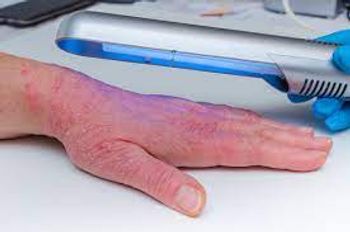
Though high-dose ultraviolet therapy was also effective, investigators were concerned with the potential long-term adverse events.

This represents the first biologic to show positive phase 3 results in prurigo nodularis.

The panelists discuss real-world use of topical ruxolitinib in atopic dermatitis management given safety, efficacy, and availability.
Considerations for topical ruxolitinib with deference to positive clinical trial results in atopic dermatitis.

The risk of developing atopic dermatitis due to these combined effects is especially prevalent in infant boys with high maternal anxiety.
Advertisement
Advertisement
Trending on HCPLive
1
New Injectable Substantially Reduces Visceral Adipose Tissue in Obesity
2
Remibrutinib Receives FDA Approval for Symptomatic Dermographism
3
Why "Normal" Ferritin Can Miss Iron Deficiency, With Jacquelyn Powers, MD, MS
4
ZUPREME-2: Petrelintide Outperforms Placebo for Weight Loss in T2D and Obesity
5