





Atopic Dermatitis
Latest News
Advertisement
Latest Videos







CME Content























































Advertisement
More News
Despite a global decrease in asthma deaths, researchers say the disease is particularly threatening to patients with atopic dermatitis.

Investigators show that both terms tend to be used in different contexts within the biomedical literature.

Misha Rosenbach, MD, mentions various ways dermatologists (and the population at large) can be more mindful of their impact on the environment

Researchers found that different pets elicit different allergy responses in child participants.

Patients on placebo with a history of systemic non-steroidal immunosuppressants generally fared worse than their treatment-naïve counterparts.

Among 49,197 vaccinated employees at Mass General Brigham, 776 self-reported cutaneous reactions following the first dose.

These results highlight the importance of interventions to address modifiable behaviors and risk factors for these patients.

A personalized topical cream applied for 1 week was shown to reduce Staphylococcus areus colonization and improve clinical outcomes.

Adding platelet-rich plasma to narrowband–ultraviolet B is likely a safe, effective, and efficient means of treating atopic dermatitis.

The COVID-19 pandemic had forced vitiligo patients to delay treatments; however, not much is known about the effects of delaying on disease course.
Misha Rosenbach, MD, gives an overview of climate change and its relevance to dermatology.

Meaningful change thresholds in POEM and DLQI scores have been established for adolescents and adults.
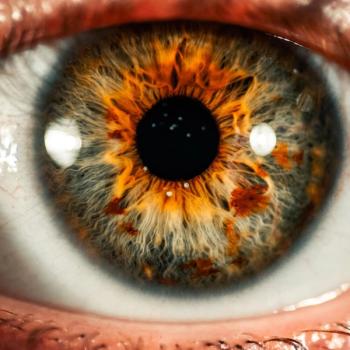
There may be an association between atopic dermatitis severity and diagnosis of ocular disease, such as conjunctivitis.
Misha Rosenbach, MD, discusses how rising temperatures and climate change, issues of public health concern, are relevant to the field of dermatology.

In both studies, a higher proportion of patients on upadacitinib 15 mg and 30 mg achieved EASI-75, EASI-90, and EASI-100 compared with the placebo groups.

Internet-delivered CBT may be an efficient and convenient means for addressing behaviors that exacerbate atopic dermatitis-related symptoms.

Patients who received 2 mg or 4 mg of baricitinib maintained vIGA-AD scores through 68 weeks of treatment.
Lawrence F. Eichenfield, MD; Jeffrey M. Bienstock, MD, FAAP; Peter A. Lio, MD; and Elizabeth A. Swanson, MD, review additional mechanisms being investigated in the pipeline for the treatment of atopic dermatitis.

While Janus Kinase inhibitors are a fraction of what’s to come in dermatology, research from AAD VMX 2021 shows they represent the potential of unlocking new capabilities across the field.

A discussion on ease of access for dupilumab for the treatment of atopic dermatitis including the process for approval and coverage.
Examining the potential role for biologic, dupilumab, in the treatment of moderate to severe atopic dermatitis.

An assessment of real-world registry data suggest the biologic provides significant benefit outside of clinical trials.

A network meta-analysis shows favorability with dupilumab and abrocitinib in efficacy and safety outcomes among adults and adolescents.

Lawrence Eichenfield, MD, discusses future prescribing plans and safety assessment for the topical JAK 1/2 inhbitor.

New cross-sectional survey data suggest quality-of-life and psychological outcomes may differ in the most common chronic skin disease patient populations.
Advertisement
Advertisement
Trending on HCPLive
1
New Injectable Substantially Reduces Visceral Adipose Tissue in Obesity
2
Remibrutinib Receives FDA Approval for Symptomatic Dermographism
3
Why "Normal" Ferritin Can Miss Iron Deficiency, With Jacquelyn Powers, MD, MS
4
ZUPREME-2: Petrelintide Outperforms Placebo for Weight Loss in T2D and Obesity
5