



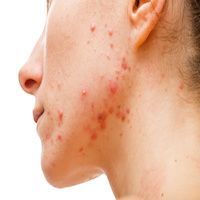

Atopic Dermatitis
Latest News
Advertisement
Latest Videos




CME Content























































Advertisement
More News

Dr. Christine Rauscher details immunotherapy for seasonal allergies, which affect roughly 20 millions adults in the US
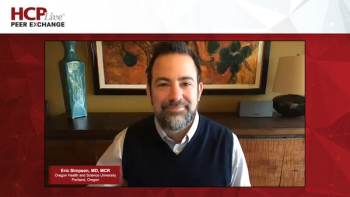
Eric Simpson, MD, MCR, reviews conventional topical and systemic therapy treatment options for the management of atopic dermatitis.

Drs Eric Simpson, Alexandra K. Golant, and Raj J. Chovatiya share their approaches to atopic dermatitis care.
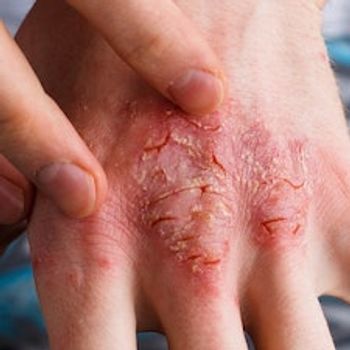
Previous data suggests that lower antioxidant status in early life is associated with allergic status in childhood, which implies that antioxidant use could be beneficial in the management of atopic dermatitis.
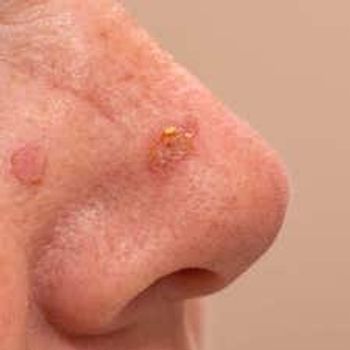
The risk of cSCC was significantly higher in patients who received treatment for actinic keratosis.

However, comorbidity risk was believed to be substantially different between the two diseases.

Raj J. Chovatiya, MD, PhD, comments on the impact of atopic dermatitis on the quality of life for patients and their families.
Eric Simpson, MD, MCR; and Alexandra K. Golant, MD, provide an overview of the pathophysiology of atopic dermatitis and detail how to approach an atopic dermatitis diagnosis.

EPSOLAY is the first and only micro-encapsulated benzoyl peroxide topical treatment shown to improve inflammatory lesions associated with rosacea
Double board certified dermatologist Dr. Karan Lal details targeted therapies and surgical treatments for vitiligo and how the condition is perceived by different cultures.

Dr. Brett King returns to discuss the impact of JAK inhibitors in the management of atopic dermatitis.
Dr. Sarah Asch details therapeutic strategies for treating pediatric patients with vitiligo.

Key themes such as a distrust in conventional therapies and non-conventional "cures" with no scientific evidence were observed.

Elapsed time following diagnosis, naïve biologic therapy status and previous use of only 1 biologic were associated with higher persistence rates.

Cotton gloves showed superior comfort and practicability among patients with hand dermatoses.

Despite this, investigators noted that patients with ICI-induced bullous pemphigoids experienced relatively improved tumor responses.
New 108 week data found that treatment with the biologic resulted in significant skin clearance in pediatric patients with psoriasis.

The study suggested that dermatologists in academic settings were more likely to utilize teledermatology prior to the limitations of the COVID-19 pandemic as well.

New phase 3 data found that 70% of patients with atopic dermatitis achieved EASI-75 following treatment with lebrikizumab and topical corticosteroids

A new systematic review found that patients with the dermatologic condition experienced moderate impairment of health-related quality of life and emotions.

Conversely, age was shown to have a negative association, as did the highest category of physical activity.

Botulin toxin was first approved by the FDA in 2002 for cosmetic reasons.

Differences in rosacea subtypes were also observed regarding patient sex, continent of origin, and the year of publication.

Dr. Karan Lal provides essential information on rosacea, which the National Rosacea Society estimates to affect 16 million people in the United States.

The investigative team also observed a significant association between psoriasis, IBS, anxiety, and depression in patients with diabetes and rosacea.
Advertisement
Advertisement
Trending on HCPLive
1
New Injectable Substantially Reduces Visceral Adipose Tissue in Obesity
2
Remibrutinib Receives FDA Approval for Symptomatic Dermographism
3
Why "Normal" Ferritin Can Miss Iron Deficiency, With Jacquelyn Powers, MD, MS
4
ZUPREME-2: Petrelintide Outperforms Placebo for Weight Loss in T2D and Obesity
5