






Atopic Dermatitis
Latest News
Advertisement
Latest Videos





CME Content























































Advertisement
More News

Among the factors associated with psoriasis, the location of some patients from this large, Italian cohort was considered to be the most influential.

Dr. Karan Lal returns to discuss key identifiers of pediatric morphea, and how dermatologists can collaborate with doctors from different branches of medicine to treat the disease.

Dr. Smith provides an overview of this rare group of diseases, its variations, and where to find additional support outside of clinical environments.
Dr. Lisa Arkin speaks to how evidence-based, expert opinion-led consensus treatment plans for scleroderma can help change the way patients and providers approach the disease.

Dr. Cordoro speaks on the prevalence of variants of scleroderma in children, and how provides can better recognize and treat the disease in pediatric populations.

Investigators suggested that additional studies could explore the rate of mental health services use in patients with scleroderma with a clinical diagnosis of major depressive disorder or other mental health disorders.

The data obtained from the study supported the idea that IL-6 could be used as a potential marker for judging the efficacy of SSc.

Despite this, investigators suggested better quality filtering of scleroderma content on YouTube.

With this decision, dupilumab is now the only biologic medicine approved from infancy through adulthood for people with AD.

New phase 3 data indicates that a statistically significant number of patients treated with either 8 mg twice-daily or 12 mg twice daily CTP-543 experienced greater scalp regrowth compared to those on placebo
Elizabeth A. Swanson, MD, provide insight on identifying the appropriate patients for various therapeutic regimens in atopic dermatitis.

Raj J. Chovatiya, MD, PhD, discusses the level of awareness of atopic dermatitis within the medical community and approaching the management of disease.

New phase 3 data from the STRATUM trial found that 80.1% of individuals treated with roflumilast foam achieved "IGA Success" compared to 59.2% of patients treated with vehicle at week 8.

Despite being rare, little is known regarding the pathophysiology of DLLR following COVID-19 vaccination.

Severe or inflammatory acne can result in prominent scarring in affected patients, which highlights the importance of grading acne in diagnosis of the skin condition.

Raj J. Chovatiya, MD, PhD; Alexandra K. Golant, MD; Eric Simpson, MD, MCR; and Linda Stein Gold, MD, share clinical pearls and discuss the future treatment landscape for atopic dermatitis.

Alexandra K. Golant, MD; Raj J. Chovatiya, MD, PhD; and Eric Simpson, MD, MCR, discuss challenges adolescent and adult patients face with current oral and topical therapies and optimizing disease management.

Experts in the management of atopic dermatitis assess the use of JAK inhibitors in clinical practice and considerations for treatment selection for patients with atopic dermatitis.

A greater prevalence of hidradenitis suppurativa, psoriasis, folliculitis, and hirsutism in pediatric patients with obesity compared to the general pediatric population.

While the long-term efficacy and safety of the biologic has been investigated in, few studies have been based on real life experience.
Dupilumab is the first and only biologic to show positive Phase 3 results in patients with prurigo nodularis.
Elizabeth A. Swanson, MD, describes the burden of atopic dermatitis on the pediatric and adult patient populations.
Raj J. Chovatiya, MD, PhD, reviews the clinical manifestations and underdiagnoses of atopic dermatitis.
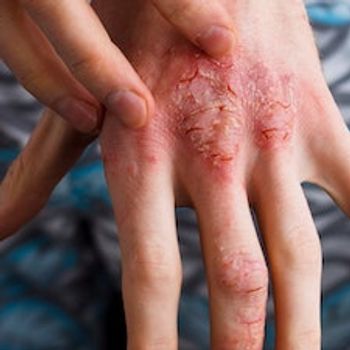
Oral doses of 3 Janus kinase inhibitors show the therapies out-performed placebo in all outcomes measured in patients with moderate-to-severe AD.
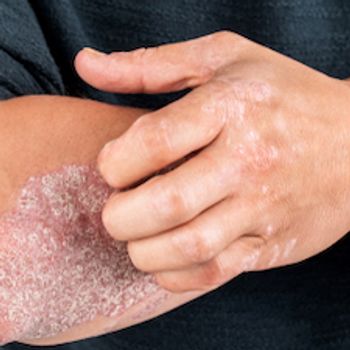
Despite most adverse events of special interest being deemed mild to moderately severe in nature, these types of events have been increasingly reported in real-world practice.
Advertisement
Advertisement
Trending on HCPLive
1
New Injectable Substantially Reduces Visceral Adipose Tissue in Obesity
2
Remibrutinib Receives FDA Approval for Symptomatic Dermographism
3
ZUPREME-2: Petrelintide Outperforms Placebo for Weight Loss in T2D and Obesity
4
Why "Normal" Ferritin Can Miss Iron Deficiency, With Jacquelyn Powers, MD, MS
5