





Atopic Dermatitis
Latest News
Advertisement
Latest Videos






CME Content























































Advertisement
More News

Lakshi Aldredge, MSN, ANP-BC, DCNP, provides an overview of the prevalence of atopic dermatitis across age groups and discusses the impact of itch on these patients.

Melodie Young, NP; Alexa Hetzel, MA, PA-C; and Matthew Brunner, PA, provide insight into pediatric atopic dermatitis, highlighting disease recurrence and symptomology.

A recent study in Finland finds 2 major contributing factors to allergic disease in infants with familial risk.

Peter A. Lio, MD, describes the challenges pediatric patients face with oral therapies for atopic dermatitis, focusing on ease of administration and patient adherence.

Raj Chovatiya, MD, PhD; Brittany G. Craiglow, MD; and Peter A. Lio, MD, highlight challenges physicians face with the available atopic dermatitis treatments for pediatric patients.

A recent study indicated no evident VTE risk in patients with eczema, despite FDA black box warnings for the drug class.
Dr Peter A. Lio shares his advice for curating an atopic dermatitis treatment plan and explains the difference between rescue and maintenance treatments.

Dr Brittany G. Craiglow provides an overview of her approach to use of nonpharmacological agents in the treatment of her pediatric patients with atopic dermatitis.

Investigators found that body surface area involvement on admission, malignant neoplasm, and connective tissue disease were independent factors associated with leukopenia in SJS/TEN.

Dermatologists addressed the overprescribing of antibiotics while acknowledging the necessity of antibiotics. Excessive prescribing practices contribute to the emergence of antibiotic resistance and furthers a patient's risk for resistant infections and treatment failures.

Raj Chovatiya, MD, PhD, and Brittany G. Craiglow, MD, share their opinions on how they assess and what they define as treatment success in their pediatric patients suffering from atopic dermatitis.
Experts in dermatology review the treatment landscape for pediatric patients with atopic dermatitis.

Both treatments showed tolerable safety as in the phase 2 and 3 trials, but when evaluated in four body regions on patients, upadacitinib surpassed dupilumab in all of them.

Investigators from found that 12.12% of patients with a previous skin disease diagnosis developed an adverse skin reaction following a COVID-19 vaccine injection.
Dr Brittany G. Craiglow discusses the impact of disease burden on both the patient and their caregivers, with a focus on how this burden evolves as a patient ages.
Brittany G. Craiglow, MD, and Peter A. Lio, MD, provide insight into the challenges inherent to an atopic dermatitis diagnosis, focusing on the role of diet and a patient’s clinical presentation.

The pivotal DERMIS trial author discusses extended assessment and prescribing strategies for the latest psoriasis agent.

A retrospective analysis suggests there are significant disparities in dermatologist visit duration based on patient race and ethnicity.

Dermatologist Raj Chovatiya, MD, PhD, discusses practical use of the newest topical therapy approved by the FDA.

Investigators believe these results could help improve disease recognition and diagnosis while supporting development of personalized prevention and therapy.
Experts in dermatology comment on the heterogeneity of atopic dermatitis and how this affects clinical practice decisions, patient quality of life, and disease burden.
Raj Chovatiya, MD, PhD; Brittany G. Craiglow, MD; and Peter A. Lio, MD, provide insight into pediatric atopic dermatitis, focusing their discussion on the pathophysiology, prevalence, and disease symptomology.

New sensitizations to 2 or more allergens between baseline and 12 months were significantly lower in the sublingual group, compared to the control group.
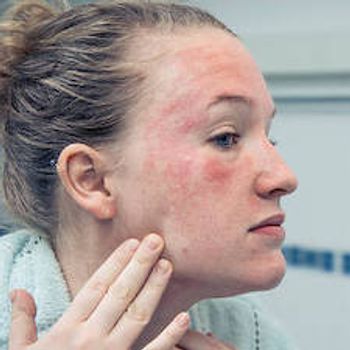
Proton beam therapy has been heavily adopted for treating patients with nasopharyngeal cancer, and a high incidence of severe ARD has been reported in this patient population.

Though the association between pediatric and parental AD has been detailed in previous literature, differing odds ratios for AD have been recorded throughout the years.
Advertisement
Advertisement
Trending on HCPLive
1
New Injectable Substantially Reduces Visceral Adipose Tissue in Obesity
2
Remibrutinib Receives FDA Approval for Symptomatic Dermographism
3
ZUPREME-2: Petrelintide Outperforms Placebo for Weight Loss in T2D and Obesity
4
Why "Normal" Ferritin Can Miss Iron Deficiency, With Jacquelyn Powers, MD, MS
5