





























































Proactive efforts throughout the pandemic must be made to ensure this gap in primary and preventative care can be filled.
Proactive efforts throughout the pandemic must be made to ensure this gap in primary and preventative care can be filled.

The UK’s regulatory agency is advising those with a history of severe allergies not to get vaccinated pending investigations of 2 severe adverse events.

The new findings show worsened outcomes among particular comorbid patient groups, as well as minority patients.

Faster initiation of COVID-19 treatment is associated with better outcomes in patients with hematological malignancies.

Patients with acute myeloid leukemia or myelodysplastic syndromes are at especially increased risk for increased disease severity and death.

Investigators evaluated patients from 3 Chicago hospital systems and assessed risk factors associated with thrombosis.

Diabetic patients are more susceptible to severe COVID-19 outcomes.

If approved, the vaccine may become available to the US public as early as December 21st.

Largest study of multiple health indicators over time finds widening disparities in health by race, despite increased targeted funding.

Families of patients with Dravet syndrome and other rare epileptic burdens have lived under amplified fear this year. That is why telemedicine is a more vital tool than ever.
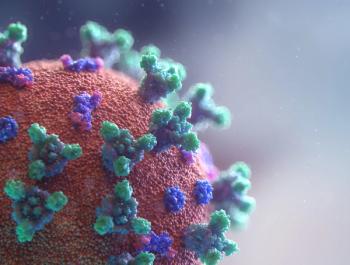
The first case report of COVID-19 reinfection in a patient with beta thalassemia major describes absence of symptoms and two-month interval between positive PCR tests.

About 20% of 81 positive patients experienced critical neurological complications; further, half had a pre-existing history of high blood pressure or type 2 diabetes.
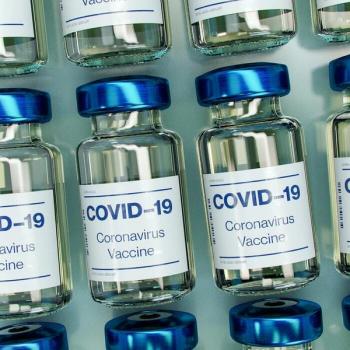
To date, 3 vaccine candidates with favorable safety profiles show promise in offering protection against COVID-19.
The Regeneron monoclonal antibodies are linked to reduced risk of hospitalization or ED visit among mild-to-moderate COVID-19 cases.

An interview with a pain specialist on advancing alternative pain therapy options.

C. diff infections have decreased during the ongoing pandemic.

Raymond Douglas, MD, PhD discusses how the COVID-19 pandemic has affected his clinical practice and potentially accelerated technological innovation as a whole.

Preliminary data from a phase 3 trial has met its trigger point in total COVID-19 infections, and the interim findings look good for mRNA-1273.

A discussion on how the pandemic has burdened and, in some ways, bettered the very involved specialty.

Experts weigh in on various reasons behind the United States' shortcoming in containing the pandemic.

Up to 91% of the gastroenterologist respondents plan to integrate telehealth into their practice following the COVID-19 pandemic.

In data presented at ACG 2020, researchers show a combination of sulindac and eflornithine could be effective for FAP patients.

Compared with prophylaxis anticoagulation, full dose anticoagulation provided a greater survival benefit to those in a predominantly black population.

New data presented at IDWeek showed more than half observed households with a COVID-19 case reported a secondary infection, oftentimes within 3 days.

Dr. Schaffner explains how social distancing and masks could also reduce the spread of influenza.