



























































Some of the ways to cope people can use include limiting media exposure and reaching out to more people.
Some of the ways to cope people can use include limiting media exposure and reaching out to more people.
A Keck Medicine expert explains how the California-based institution has pooled resources and personnel during their pandemic response.

FDA grants emergency use authorization to a rapid point-of-care test to detect COVID-19 infection.

Telemedicine platforms can be used to monitor symptoms remotely and reduce overcrowding in healthcare facilities.
How coronavirus spread has affected a New York institution's invasive cardiology department.

Ponesimod reduced fatigue-related symptoms in phase 3 clinical trial.
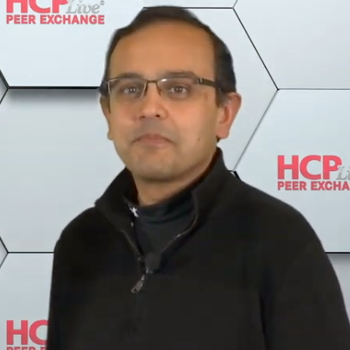
Manesh Patel, MD, of Duke University School of Medicine, discusses what we know about COVID-19 and its impact on cardiovascular health.

Doctors of all fields, including pulmonologists, are coming together to collaborate on research regarding the ongoing threat of the coronavirus.
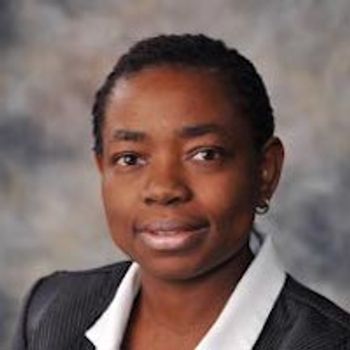
Telehealth tools can identify someone whose symptoms are worsening and connect them to a medical professional.

Lessons learned when traveling home during the COVID-19 pandemic.
Individuals are encouraged to maintain some semblance of normalcy in face of the coronavirus outbreak, including regular exercise and sleep.
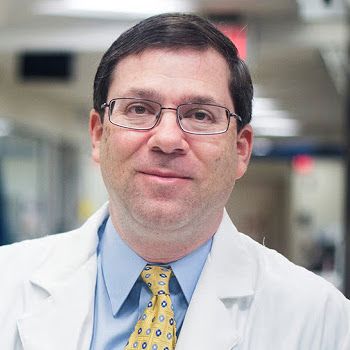
The former SCCM president speaks on the risk of facing ICU-trained personnel shortages during the coronavirus spread.
Recent studies analyze the sensitivity and specificity for RT-PCR and chest CT for diagnosing coronavirus.
In a show of solidarity, the major cardiology organizations have released statements addressing the topic.
Some gastrointestinal symptoms could be exacerbated by contracting the novel coronavirus.

New research from an international team of investigators suggests more than 80% of cases have been transmitted by undocumented infections.
Hospitals are preparing to treat MS patients safely in the wake of fears over the global pandemic.
Two new papers shine a light on additional symptoms that could help clinicians diagnose novel coronavirus.

The incoming president of the American College of Physician offers advice on communicating about the realities and myths of coronavirus with patients.
Incoming president of the American College of Physician offers advice on steps clincians should be taking amid the coronavirus outbreak.

With the spread of coronavirus increasing in the US, telehealth can be leveraged, but regulations need to be modified.
The CDC is preparing for a hypothetical future despite American risk of local transmission not being high presently.
Everyone has an opinion. But what do the actual experts think?
How can primary care and family physicians help put concerned patients at ease?
The newest virus scare has killed one-tenth as many patients as influenza this season, yet public concern fixates on the smaller issue.