
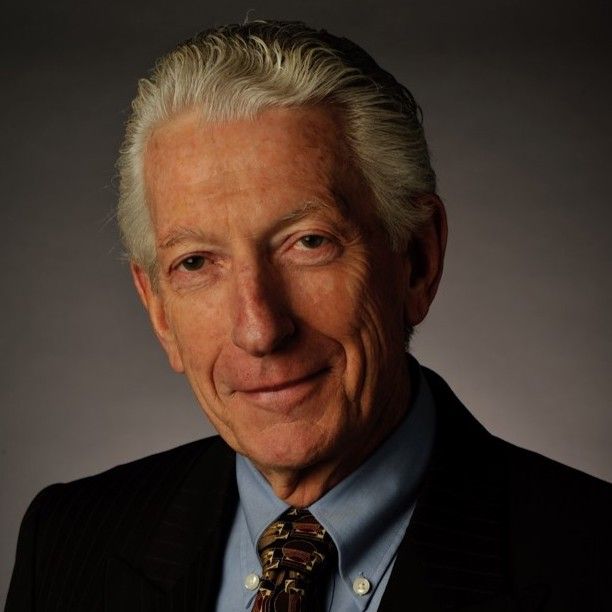























































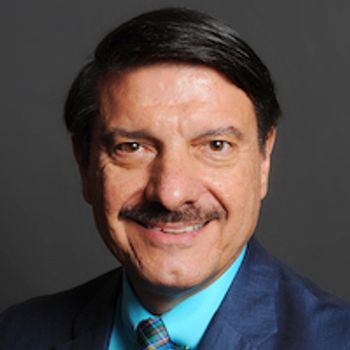
Al Rizzo, MD, of the American Lung Association, discusses some of the biggest challenges and questions raised on lung health during the coronavirus pandemic.
Al Rizzo, MD, of the American Lung Association, discusses some of the biggest challenges and questions raised on lung health during the coronavirus pandemic.
AGA reccomends doctors wear N95 masks instead of surgical masks and 2 gloves instead of 1.

Findings of a placebo-controlled trial show the addition of hydroxychloroquine to treatment leads to a quicker recovery.
Clinicians must implement practices to prevent the spread of COVID-19 between children and adults.

Discussing the impact of the ongoing outbreak on endocrinology practices and endocrinologists with the Executive Dean of the Faculty of Medicine and Health at University of Leeds.
The findings can lead to individuals being more informed about the transmission of COVID-19, potentially reducing the number of cases.

New technology may enable geriatric individuals to keep in touch with their families, even during times of social isolation.
Discussing an editorial in the Journal of Clinical Endocrinology & Metabolism with journal editor in chief Paul Stewart, MD.

A new perspective from federal and institutional experts explains the cause of disease severity and mortality in older, cardiovascular-risk patients.
A panel of experts recommend how ICU workers should treat patients with COVID-19.

How providers can stop the spread of dangerous information during the COVID-19 pandemic.
Individuals are encouraged to continuing donating blood despite the COVID-19 pandemic.

A deeper look at how nurses are affected during the current health pandemic.

Analysis indicated 31.7% of hospitalized patients had ocular manifestations and 50% of those with ocular symptoms had severe cases of COVID-19.
The Abbott-developed test platform is already used as a molecular point-of-care device for influenza A and B, Strep A, and respiratory syncytial virus.

An expert breaks down potential treatments for COVID-19 and the therapies that have failed.
Discussing the impact of COVID-19 on ACC.20/WCCardio and the cardiology community throughout the country.
The new policy also advocates for a government and telecommunications expansion of audio and video services.
A study’s proposed findings of increased coronavirus risk shows how presenting half of a fact can influence our care during a pandemic.

How cardiovascular experts have been communicating with international colleagues to inform local care response.
What effect may professional athletes receiving asymptomatic tests have on the public perception of the coronavirus?
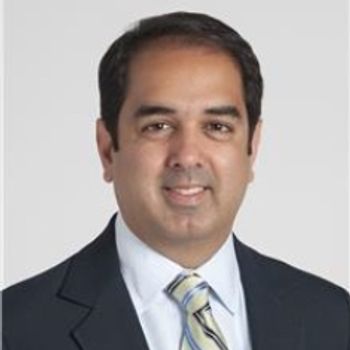
Rishi Singh, MD, of Cole Eye Institute, discusses steps to take to help prevent the spread of coronavirus in ophthalmology practices.

A study of 416 hospitalized patients indicates 19.7% suffered cardiac injury, which was also associated with increased ventilation and mortality.

Telemedicine could be a particularly useful tool for sleep doctors as the COVID-19 outbreak continues.
An ACC board member explains the major cardiology college's decision to move the meeting online during the COVID-19 pandemic.