

























































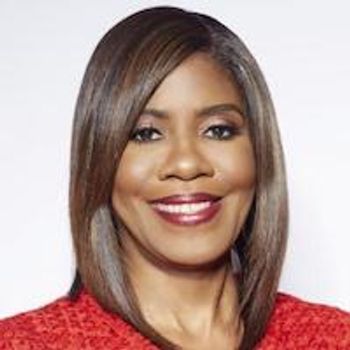
In a presentation at the APA Spring Highlights Meeting 2020, Patrice Harris, MD, says telemedicine is crucial to maintain care while decreasing the risk of COVID-19.
In a presentation at the APA Spring Highlights Meeting 2020, Patrice Harris, MD, says telemedicine is crucial to maintain care while decreasing the risk of COVID-19.
It might be particularly difficult for psychiatrists to treat trauma patients through telehealth means.

A majority of patients hospitalized have at least 1 underlying condition and are older.

A public health expert shares insight on the positives and pitfalls learned from stigma-reduction campaigns.
New research from a hospital in Wuhan has found no difference in hypertension patients whether or not they were taking ACEi/ARBs on admission.

Discussing the impact of COVID-19 on clinical trials that are ongoing or in development with John Teerlink, MD, Executive Committee Chair of GALACTIC-HF.

Digital technologies may have the best opportunity to change how trials are conducted for years to come.
A fourth-year medical student writes about the use of CT for diagnosing COVID-19.
Dr. David Rubin discusses what IBD patients can do if they are asked to stop immunosuppressant treatment because of COVID-19.

Discussion the debate around use of ACE inhibitors and ARBS as well as other common questions the ESC has been fielding during the ongoing outbreak.

Can positive ELISA test results better interpret for how much longer social distancing must continue?

The surgical resource document contains guidance on topics ranging from testing policies to ensuring the delivery of high-quality care.
Dr. Rapoport of Mount Sinai discusses the clinical ingenuity fostered by the pandemic response, and what US healthcare must improve on in the near future.
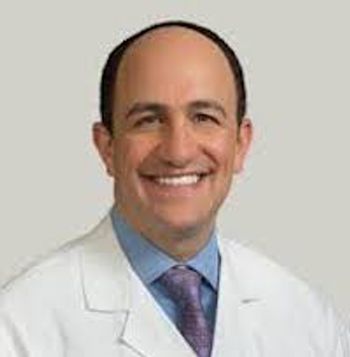
David T. Rubin, MD, discusses some of the reccomendations for treating patients with IBD during the pandemic.

The new document highlights the need for planning and resource allocation during the ongoing outbreak.
The shortages highlight heavy US dependence on bulk drug ingredients.

ALA chief medical officer Al Rizzo, MD, discusses plans to kickstart vaccine research and public health preventive measures.
David Rapoport, MD, explains his institutions development of emergency ventilators through a common sleep apnea device.

Frontline medical staff and other vulnerable groups should be the focus of mental health support.
The Penn Medicine trial is currently enrolling and will evaluate effects across a multitude of outcomes.
How the island nation has set an efficient model of care access and preparation that has allowed them to best manage COVID-19.

Patients with TED might be particularly vulnerable to COVID-19 infections.
Medical staff members with insomnia also had higher levels of depression than healthcare workers without insomnia.
Patients who do not have the coronavirus should continue IBD therapies, including all scheduled infusions.

CytoSorbents Corporation announced the authorization, which could aid multiple patient populations infected with COVID-19.