





Endocrinology
Latest News
Advertisement
Latest Videos
Podcasts


CME Content




























































Advertisement
More News
An audio recap of the top 5 stories in healthcare news from the week of 10/12-18.

Rybelsus marks the first oral GLP-1 for major adverse cardiovascular events in adult patients with T2D, opening a new cardiovascular treatment pathway.
Stay updated with the latest healthcare breakthroughs, including FDA updates and phase 3 trial readouts, in this week's essential news roundup.
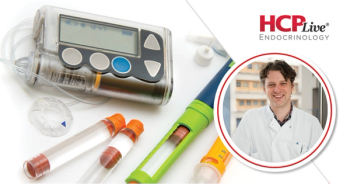
Nijhoff discusses the positive results of the first portion of the phase 1/2/3 trial and its implications for the underserved T1D patient population.

New research links sleep-related leg movements to a higher risk of diabetes.
This episode covers the upcoming glucose monitor Biolinq Shine, the Insulin Icodec FDA resubmission, and the end of Eli Lilly's work in T2D.
Celebrate 150 episodes of Diabetes Dialogue as hosts reflect on advancements in diabetes technology and impactful discussions in patient care.

The sBLA for insulin human Inhalation Powder in children and adolescents with type 1 or type 2 diabetes was assigned a PDUFA target action date of May 29, 2026.

A recent study indicates the potential benefits of consistent follow-up in diabetes through tele-education, teleconsultation, and digital data support.

Investigators urge clinicians to support teenage patients with type 1 diabetes in managing their blood sugar and transitioning to adult care.
The Q3 recap for endocrinology spotlights major FDA decisions, new guidelines for managing diabetes during pregnancy, and major clinical trial updates.
Catch up on FDA decisions, critical trial results, and expert perspectives on endocrinology.
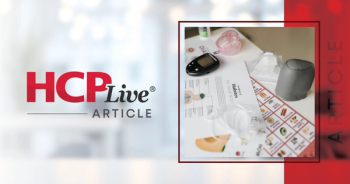
Lifelong reliance on insulin, constant glucose monitoring, and management of hypo- and hyperglycemia require substantial lifestyle changes.

Yale researchers reveal that 17 million U.S. adolescents and young adults qualify for GLP-1RA therapy, highlighting barriers to access and insurance coverage.
This episode highlights the recent technological advancements made by Medtronic Diabetes in treating type 1 and 2 diabetes.
Explore key FDA decisions in Q4 2025, impacting treatments for atopic dermatitis, chronic rhinosinusitis, and rare diseases.
The resubmission is based on results from 5 randomized clinical trials in the ONWARDS type 2 diabetes phase 3a program.

The approval of the selectively targeted somatostatin receptor type 2 agonist is supported by data from the phase 3 PATHFNDR-1 and PATHFNDR-2 trials.
Biolinq Shine aims to provide continuous glucose monitoring, as well as sleep and activity data, without requiring injections.
This episode highlights the results of the ATTAIN-1 and STEP UP clinical trials, examining the potential of their respective GLP-1 RA subjects.
A significant amount of TED cases go undiagnosed due to a lack of routine screening – Khachikian discusses what is needed to address this problem.

Investigators formulated a series of hypothetical situations to test the overall economic impact of introducing lonapegsomatropin into the growth hormone market.

The investigational oral GLP-1 RA showed superiority in glycemic control and weight loss among patients with uncontrolled T2D.

Tirzepatide saw improvements in A1C and body mass index, which were maintained over the 30-week trial and into the 52-week extension study.

New research from Stockholm, Sweden, has shown the correlation between smoking and insulin sensitivity, with genetic susceptibility increasing the risk further.
Advertisement
Advertisement
Trending on HCPLive
1
FDA Updates Sotatercept Label with HYPERION Data in Early PAH
2
Half-Life vs. Real Life: How Real-World Evidence Is Reframing Wet AMD Treatment
3
ProACt Data Show Early Functional Gains with Adjunctive Cariprazine In MDD
4
EMBARQ-CSU: Barzolvolimab Meets Primary, Secondary Endpoints in CSU Trials
5