






Heart Failure
Latest News
Advertisement
Latest Videos




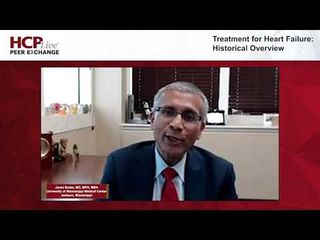
CME Content























































Advertisement
More News

The TPV system expands transcatheter therapy options for patients with congenital heart valve disease.

Data show the multivariable-adjusted HR for increase in seafood consumption of 1 oz per day and all-cause mortality was 0.84 and for CVD-related mortality was 0.89.

Study data show for each $1,000 decrease in median household income, the number of TAVR procedures performed per 100,000 Medicare beneficiaries was 0.2% lower.

After 1 year, 37% of patients had died and 65% of patients were readmitted to the hospital.

Young smokers in 2017 were more likely to have other comorbid conditions including hypertension, diabetes, and obesity.

The least selected attributes were food and medication restrictions and A1c lowering followed by risk of diabetic ketoacidosis, risk of genital infection, and the avoidance of severe hypoglycemia.

Deepak Bhatt, MD, MPH, discusses the results of a pooled analysis of the SOLOIST and SCORED trials assessing effects of sotagliflozin based on baseline eGFR among patients included in the trials.

Epinephrine before defibrillation was associated with lower odds of survival to discharge, favorable neurological survival, and survival after acute resuscitation

In patients with advanced heart failure, the median NT-proBNP AUC for valsartan was 1.19 compared to an AUC of 1.08 for sacubitril/valsartan.

The American College of Cardiology and American Heart Association guideline provides key highlights into the evaluation and diagnosis of adult patients with chest pain.

In 1774 estimated discharges where a hospital region in the US had been indicated, 35.9% were diagnosed in the West and 32.3% in the South.

Data show the overall risk difference between the first and second doses of BNT162b2 was 1.76 per 100,000 persons.

In the primary endpoint, patients with severe HF had a 20% risk reduction compared to no significant treatment benefit in patients without severe HF.

Proposed new guidelines recommended against low-dose aspirin use for primary prevention of CVD in adults age 60 years or older, citing adverse effects.

A significantly increased risk of hospitalization from pneumonia was observed due to haemophilus influenzae.

Dr. Erickson discussed screening for children prone to sudden cardiac arrest and sudden cardiac death based on an updated AAP policy statement.

Differences in CV risk factors persisted between Black participants and White participants and may be due to social determinants of health.

Data show SGLT2 inhibitor therapy, in comparison to GLP-1 RA therapy, was associated with slightly lower risk for myocardial infarction (MI) or stroke in patients with CVD.

Data show the 20-year cumulative incidence of AVR was 3.4% in mild AS, 20.2% in moderate AS, and 54.6% in severe AS.

In patients with T2D without prior CVD, chronic kidney disease was the single risk factor associated with highest risk of MACE.
Analysis data show 3 times more risk of intensive care unit care in patients with venous thromboembolism compared to non-VTE patients (RR: 2.78).
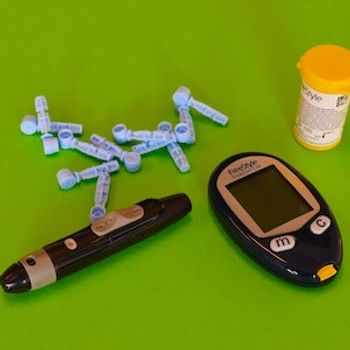
Sotagliflozin reduced HbA1c by 0.42% and heart failure by 32% in comparison to placebo.

Hazard ratios for CHD included 1.57 for cumulative LDL-C level, 1.69 for TWA LDL-C level, and 0.88 for LDL-C slope.
Manesh Patel, MD, kicks off his first podcast by discussing HFpEF findings in EMPEROR-Preserved, the GUIDE-HF trial and more with his Duke colleague.

The potential number of adults projected to be newly eligible for treatment had a range from 643,161 (LVEF, 41% - 50%) to 1,838,756 (LVEF, 41% - 60%).
Advertisement
Advertisement
Trending on HCPLive
1
Tilrekimig Meets EASI-75 Goal in Atopic Dermatitis, With Eric Simpson, MD
2
Tips on Optimizing HS Biologics, Combinations, and Surgery
3
FDA Approves Once-Monthly Subcutaneous Olanzapine for Schizophrenia
4
Why "Normal" Ferritin Can Miss Iron Deficiency, With Jacquelyn Powers, MD, MS
5