


































































Treatment with intravenous iron therapy proves more efficacious than oral or no iron therapy in improving hemoglobin in pediatric patients admitted with IBD and IDA.
Treatment with intravenous iron therapy proves more efficacious than oral or no iron therapy in improving hemoglobin in pediatric patients admitted with IBD and IDA.

In a nationwide study of an adult SCD population, the risk of mortality increased with the number of HVOCs in the year before death.

When the current recommended diagnostic algorithm was used in clinical practice, antibody testing was required in half of patients with suspected HIT.

A systematic review and meta-analysis of HSCT in children with sickle cell disease demonstrated pooled survival rates exceeding 90%.

Oral iron supplements did not significantly differ in increasing hemoglobin and ferritin levels, but the every-other-day oral iron proved more effective than daily use.
This clinical quiz will test your knowledge of iron deficiency anemia, focused on the gastrointestinal evaluation of anemia based on recommendations from the AGA's 2020 guidelines.

Our March 2024 month-in-review in hematology features updates to the anemia pipeline, the latest research in sickle cell disease, and the role of SGLT2 inhibition on hematologic outcomes.

Topline results from AURORA indicate that while bitopertin significantly reduced PPIX levels, improvements in light tolerance were not statistically significant.

Iron-deficient patients on an SGLT2 inhibitor at baseline experienced greater increases in hemoglobin levels with ferric derisomaltose compared with those not taking one.

A systematic review highlights the available evidence on the use of intravenous fluid in sickle cell vaso-occlusive crises and reported adverse outcomes.

Vadadustat tablets are now approved for the treatment of anemia due to CKD in adults who have been receiving dialysis for ≥ 3 months.

A new analysis summarized evidence on the effects of allogeneic HSCT on SCD-related organ dysfunction in pediatric and adult patients with SCD.

A posthoc analysis of two phase 3 trials identified multiple independent factors associated with better response to vadadustat in patients with anemia.
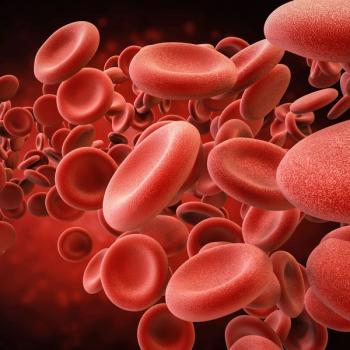
A study in China identified a negative and non-linear relationship between hemoglobin levels and a renal composite end point in patients with DKD.

Chronic kidney disease was linked to increased mortality, higher costs, and the need for mechanical ventilation among hospitalized patients with sickle cell disease.
Measurement of reticulocyte hemoglobin equivalent is cost-effective and could be a useful marker of iron deficiency in acute decompensated heart failure.

Results from the PHEDRE study show nitrous oxide in a gas mixture for pain was not problematic for most patients with sickle cell disease in France.

Iron deficiency, independent of anemia, may be a potentially modifiable target to improve patient-reported outcomes after kidney transplantation.

A cross-sectional analysis of nine low- and middle-income countries revealed few statistically significant associations between anemia and early childhood development.

Iptacopan monotherapy improved hematologic outcomes in both anti-C5–treated patients with persistent anemia and those not treated with complement inhibitors across two phase 3 trials.

In a registry-based analysis, more hospitalized children with SCD and COVID-19 had severe infection requiring supplemental oxygen, compared with the general population.

The 2016 CDC guidelines led to significant decreases in opioid prescriptions and an increase in pain-related healthcare utilization for people with sickle cell disease.

An analysis of an FDA adverse event database found thrombotic adverse events were more frequently reported with emicizumab than those of FVIII products.
Patients in France with hemophilia A who switched their FVIII replacement treatment trended towards fewer bleeding events and articular non-bleeding events requiring hospitalization.

Iron deficiency marks more than a comorbidity in heart failure, with adverse manifestations, including anemia and a higher risk of mortality, influencing the clinical trajectory of patients with HFrEF.