
































































The anti-TFPI significantly reduced ABR compared to routine prophylaxis treatment in the phase 3 BASIS trial.
The anti-TFPI significantly reduced ABR compared to routine prophylaxis treatment in the phase 3 BASIS trial.

Education and employment, social and emotional functioning, and healthcare access are notable factors influencing pain in sickle cell disease.

This retrospective analysis examined the current management of early and late anemia in a representative sample of the kidney transplant population in Spain.

Anemia is frequently observed in primary care patients with HF and is linked to worse prognosis and comorbidities, including cancer.

An elevated social vulnerability index score was linked to increased mortality among patients with SCD in the 5-year CDC WONDER database.

An analysis of NYC’s lead registry data from 2005 to 2019 revealed a potential association between sickle cell disease and childhood lead poisoning.
This month in review highlights vitamin D supplementation in anemia, the prevalence of iron deficiency in US adults, and the efficacy of rpFVIII in treating acquired hemophilia A.

Pfizer has announced the voluntary withdrawal of voxelotor in all markets after a report found the benefits do not outweigh the risks for sickle cell disease.

A large study shows no women were anemic in the first trimester of pregnancy, but more than 80% of the women were iron deficient by the third trimester.

Rates of absolute and functional iron deficiency were high among adults in the US, even in those without anemia, heart failure, or chronic kidney disease.
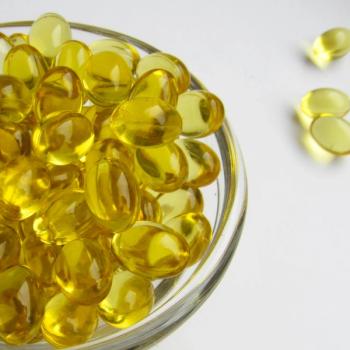
New research establishes a strong causal link between elevated 25(OH)D levels and a reduced risk of anemia.
Ferric carboxymaltose achieved superior outcomes to an oral iron tablet for the treatment of anemia in pregnant women.

Pre-pregnancy overweight and obesity were not linked to an increased prevalence of iron deficiency or anemia during pregnancy in a US population.

A real-world post-authorization safety study identified no new safety signals compared with the phase 2/3 clinical trial of rpFVIII for acquired hemophilia A.

An investigation into basic and instrumental activities of daily living in older female patients found greater reliance in those with anemia.

A systematic review found a higher prevalence of acute pancreatitis in individuals with the HbSS genotype, though a meta-analysis could not be performed.

Vadadustat once-daily demonstrated noninferiority to darbepoetin alfa for the change in mean hemoglobin from baseline, while 3-times-weekly did not.
This August 2024 month in review highlights new recommendations from the USPSTF, FDA approval of a treatment for chronic GVHD, and Phase 2 data for severe HDFN.

Moderate to severe anemia was linked to an increase in cardiac arrest or stroke compared with normal hemoglobin levels in critically ill COVID-19 patients.

Across a statewide cohort, more than half of patients were unable to achieve iron deficiency resolution within 3 years.

A new recommendation statement cites a lack of current evidence to assess the benefits of iron deficiency screening and supplementation in pregnant individuals.

A randomized clinical trial found significant improvements in key blood parameters for anemia after grape syrup intervention compared with placebo.

Analysis of the Phase 3 explorer7 study indicates a preference for concizumab prophylaxis over no prophylaxis in patients with hemophilia A or B with inhibitors.

Axatilimab was awarded approval for the treatment of chronic GVHD in adult and pediatric patients who failed ≥2 prior lines of systemic therapy.

Ravulizumab therapy may enable patients with PNH to achieve activity and patient-reported outcomes comparable to the US general population.