




Hematology
Latest News
Advertisement
Latest Videos





CME Content




























































Advertisement
More News

FCM yielded a statistically significant improvement in Hb levels in patients with postpartum anemia over IS.
A new systematic review finds IV iron effective for iron non-responders but calls for further studies on the causes of oral iron failure.
Anemia was linked to lower waist circumference, lower albumin levels, and treatment regimens in females, but not males.

Pongdee discussed research presented at the AAAAI/WAO Joint Congress that focused on improving diagnosis of indolent systemic mastocytosis.

Sabato discussed how research in the field will inform how to best utilize novel therapies for indolent systemic mastocytosis now that a disease-modifying therapy is available.

Our top 5 headlines include an FDA approval, a pair of submissions, data from AAAAI 2025, and more!
This FDA News Month in Review provides a round-up of regulatory decisions from February 2025.
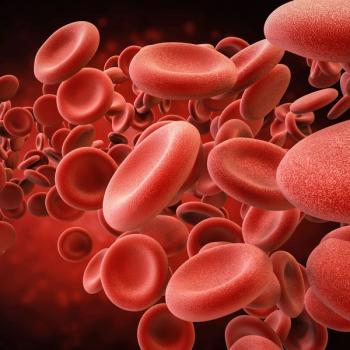
Fidanacogene elaparvovec was approved under the name Beqvez in April 2024.

Iron deficiency was more common in acute versus chronic heart failure, with notable differences in detection by numerous recommended definitions.

Meta-analysis suggests iron therapy lowers the risk of heart failure hospitalization and cardiovascular death in patients with chronic kidney disease.
Iron administration was linked to a decrease in platelet counts, even in the absence of preexisting thrombocytosis.

More than 90% of patients with hemophilia B eliminated factor IX prophylaxis 4 years after treatment with etranacogene dezaparvovec (HEMGENIX) gene therapy.

Interim analysis of the Phase 3 FRONTIER3 trial found Mim8 well-tolerated in children with hemophilia A with and without inhibitors.
This FDA News Month in Review provides a round-up of regulatory decisions and submissions from January 2025.

Peter Kranke, MD, MBA, MME, and colleagues call for clarifications to the August 2024 recommendations with more real-world considerations.

Axatilimab in 9 mg and 22 mg vial sizes are expected to launch in early February for the treatment of chronic graft-versus-host disease.

2 phase 3 trials show iptacopan improves fatigue, quality of life, and hematologic markers in C5i-experienced or -naive patients with paroxysmal nocturnal hemoglobinuria.

An infusion of ferric carboxymaltose in the third trimester significantly reduced anemia in pregnant women, surpassing the efficacy of iron tablets.

A new study highlights notable obesity-associated disruptions of iron metabolism, with higher hemoglobin and serum ferritin levels in pre-obese and obese cohorts.
Nearly half of patients with acute coronary syndrome in a single-center analysis exhibited iron deficiency, with anemia linked to a greater impact on mortality.

Piatek discussed findings from a healthcare resource utilization study and a sentiment analysis study presented at ASH 2024.

Pipe discussed a symposium at ASH 2024 about practical implementation of gene therapy in the field.

Schultz discussed the SCtalk trial and its findings at ASH 2024.

Zaheer discussed how this research may be used as a model to help study other therapy transitions as well.

Bendapudi gave an overview of 2 studies presented at ASH 2024 from his Harvard lab.
Advertisement
Advertisement
Trending on HCPLive
1
The Case for Routine Kidney Screening, With Pranav Garimella, MBBS, MPH
2
FDA Approves Obinutuzumab (Gazyva) for Idiopathic Nephrotic Syndrome
3
Zilurgisertib Receives FDA Approval for FOP in Patients 12 and Older
4
FDA Approves Baricitinib for Adolescents With Severe Alopecia Areata
5