




Hypertension
Latest News
Advertisement
Latest Videos






CME Content























































Advertisement
More News

While initial double therapy has proven effective in treating pulmonary arterial hypertension, adding selexipag to the treatment regimen of macitentan and tadalafil could be beneficial in this patient population.

Two journals have simultaneously published a set of international guidelines to help physicians around the world treat their hypertensive patients.

A group of researchers from Michigan Technological University have evidence that vaping raises heart rates and blood pressure in young, helathy, non-smoking individuals.

New research from a hospital in Wuhan has found no difference in hypertension patients whether or not they were taking ACEi/ARBs on admission.

In healthy people, it's normal for blood pressure to drop during the night. But in hypertensive patients, nighttime blood pressure sometimes doesn't drop, or even increases. A new study published online in the journal Neurology, shows that those individuals may be more likely to have small areas in the brain that appear damaged from vascular disease and associated memory problems.

New research suggests the presence of a maternal hypertensive disorder predicts increased risk of childhood mental disorder, regardless of mental disorder status of the parents.

Discussion the debate around use of ACE inhibitors and ARBS as well as other common questions the ESC has been fielding during the ongoing outbreak.

New research from a feasibility trial suggests new technology could help patients achieve BP control at a similar rate as regular visits.
The Penn Medicine trial is currently enrolling and will evaluate effects across a multitude of outcomes.

The tailored approach for delivering lifestyle changes virtually to patients who are obese with hypertension shows positive health benefits.

Investigators from Saint Louis University discuss a new comparison of 2 drug classes that could reduce the risk of adverse cardiovascular events.
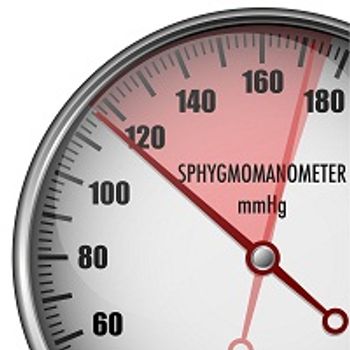
A new study analyzing at-home blood pressure devices available for purchase online has found most are not validated—bringing their accuracy into question.

A new perspective from federal and institutional experts explains the cause of disease severity and mortality in older, cardiovascular-risk patients.

Results of the SPYRAL-HTN OFF MED indicate renal denervation could prove useful for lowering SBP in patients with untreated hypertension.

What effect may professional athletes receiving asymptomatic tests have on the public perception of the coronavirus?

A study of 416 hospitalized patients indicates 19.7% suffered cardiac injury, which was also associated with increased ventilation and mortality.

A new review from investigators at Columbia University details topics from common comorbidities to potential treatments.

A discussion with a Brigham and Women's Hospital cardiologist on the research of the add-on cardiometabolic drug class.

The document, which includes 11 clinical competencies for NPs and PAs, is the first of its kind from the American College of Cardiology.

Manesh Patel, MD, of Duke University School of Medicine, discusses what we know about COVID-19 and its impact on cardiovascular health.

Telehealth tools can identify someone whose symptoms are worsening and connect them to a medical professional.

Physicians and patients should continue treatment with their usual anti-hypertensive or diabetes management therapy, says the European Society of Cardiology (ESC). There is no evidence that ACEi or ARBs, drugs which upregulate Angiotensin Converting Enzyme (ACE), increase the risk of contracting COVID-19, the society said in a statement published March 13.

A new analysis has found that low blood pressure in older, frail adults could increase mortality risk as much as 63%.

New data from a study of 30 patients found specific characteristics of gut microbiota could predict the presence of pulmonary hypertension with greater than 80% accuracy.

New data indicates a combination of 3 natural extracts added to standard therapy could provide benefits in patients with uncontrolled hypertension.
Advertisement
Advertisement
Trending on HCPLive
1
Ritlecitinib Stabilizes Vitiligo in Tranquillo Trial, With Iltefat Hamzavi, MD
2
From Injectable to Oral: Optimal Durable Clearance Across the IL-23 Class
3
Advances in Treating High-Impact Psoriasis from EADV 2026
4
FDA Updates Sotatercept Label, ERS Releases PAH Guidelines Based on HYPERION Data
5