



























































Patients who experienced hypertensive disorders in pregnancy were 80% more likely to develop choroidal neovascular AMD at an early age.
Patients who experienced hypertensive disorders in pregnancy were 80% more likely to develop choroidal neovascular AMD at an early age.

Investigators found significant differences in ocular flow velocity between patients with preeclampsia and without who had recently given birth.
The placenta plays a major role in preeclampsia but is difficult to access. Investigators have turned to the eye, the choroid in particular, looking for clues about this serious condition.
People experiencing homelessness were more likely to follow-up on referrals from an ophthalmology clinic if they had finished high school or had a primary care provider.

From 2010 to 2017, there was an increase of over 30% in the number of commercially insured children being diagnosed with ADHD.

Data from ACC 2018 showed the PCSK9 inhibitor is associated with an absolute risk reduction of 1.6% in treated patients versus placebo.
Over a 90-day period, this algorithm reduced hospital codes, such as cardiac arrest, by 44%.
The Connected MOM program allows self-monitoring during pregnancy so that some in-person visits can be skipped, and any issues can be identified early.
The TransPyloric Shuttle device is delivered endoscopically to the stomach and can be used for up to 12 months of treatment.
Richard Milani, MD, shares about the digital medicine program, particularly the track for patients with hypertension.
Aimee Quirk, CEO of innovationOchsner shares about how they have improved aspects of health care by introducing uses of technology.

A new study suggests that amlodipine combined with hydrochlorothiazide or perindopril is more effective vs perindopril plus HCTZ for lowering blood pressure in black patients from sub-Saharan Africa.

A new cohort assessment shows white and African American men both have a lifetime hypertension risk of more than 80%.
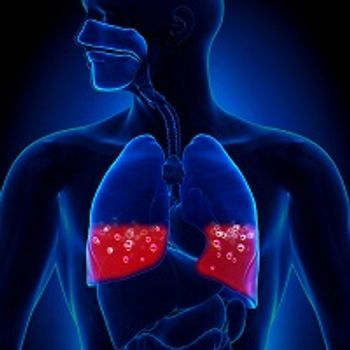
Little is known on the underlying pulmonary arterial lesions in patients with this phenotype of COPD.

A new study of a blood pressure-monitoring mobile app reports patients with diabetes could reach better thresholds.
Recalls on Diovan (valsartan) began last July when the FDA detected trace amounts of a probable carcinogen in certain lots of the blood pressure drug.
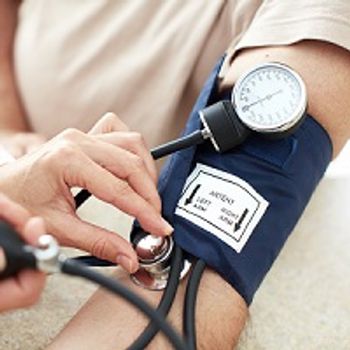
A systematic review and meta-analysis of nearly 10,000 patients found systolic AOBP readings, under the right circumstances, should become the standard blood pressure test.
Inner-city African-American patients are 5 times more likely to have hypertensive emergency, according to a recent study.

The SPRINT MIND study did find that intensive treatment reduced the risk of mild cognitive impairment, a precursor to dementia.
The hypertension medication is again being recalled due to carcinogenic impurities.
The FDA has responded to the Janssen Pharmaceutical company's sNDA with a request for more data.
Once one of the country healthcare system's greatest successes, CVD and related mortality is rising again. What's its true cause?
The community-based program intent on improving black men's blood pressure care will revamp its practice headed into 2019.
This past year came with a multitude of new FDA approvals for antiretroviral therapies as well as research highlighting HIV and various comorbidities.

African-American patients with moderate or severe sleep apnea have twice, or 3.5 times, the risk of resistant hypertension, respectively.