





























































An expecting mother's use of antihypertensive medication may affect their risk of having a preterm birth, new findings show.
An expecting mother's use of antihypertensive medication may affect their risk of having a preterm birth, new findings show.

Findings of a systematic review showed that traffic-related air pollution can lead to hypertensive disorders and cardiovascular events for pregnant women.

A new study from Queen Mary University of London is revealing more about the potential impact of cannabis on cardiovascular health and function.

A new study published in Hypertension has found long work hours increased a person's risk for sustained and masked hypertension.

A new study of more than 60,000 individuals over the course of a decade suggests non-Hispanic blacks were less likely to use and see benefits from low-dose aspirin in the same way as non-Hispanic whites.

An analysis of more than 4 million people from Europe has found children born to mothers with diabetes were at a 29% increased risk of developing cardiovascular disease before the age of 40.

A new analysis from the University of Minnesota has found many patients with and without an indication for regular low dose aspirin use are under or overusing the medication.

Why US patients are now in absolute need of proven measures to lessen their risk of cardiovascular burden.

A conversation with Deepak Bhatt, MD, MPH, discussing the most impactful advances in cardiology in 2019 and what he sees as the most important advances in the past decade as 2019 comes to a close.

During AHA, investigators suggest ways to improve care for women in regard to diabetic and cardiovascular interventions.

A new study of more than 5000 patients in a rural community in India suggests the Apple Watch and its A-fib software could serve as a valuable screening tool in underserved communities and developing countries.

The understood risk of cancer development in patients with cardiovascular disease requires improved care teams.
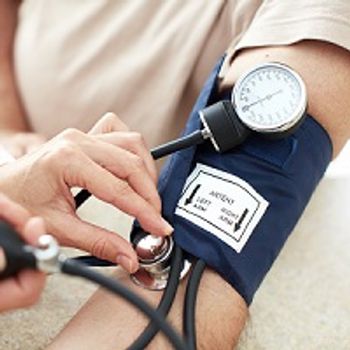
Patients in the propranolol arm recorded a significantly reduced mean office SBP of 130.00 (+/- 13.24) mmHg vs 139.93 (+/- 14.17) mmHg (p = 0.046).

A new study from UT Southwestern shows a new indicator of patient fringe risk for high blood pressure.

During AHA, investigators analyzed some of the differences in outcomes for men and women in hypertension drug trials.
In a presentation during AHA, investigators present new evidence linking sleep issues with poorer outcomes for hypertension patients.

A new Mayo Clinic study has found that patients with microvascular endothelial dysfunction were more than twice as likely to be diagnosed with solid-tumor cancer than their counterparts without dysfunction.

Of the predominating risk factors or comorbidities that occur with HF, hypertension appears to be the most prevalent.

A new study from Icahn School of Medicine at Mount Sinai found increases in exposure to fine particulate matter before birth were associated with heart rate variability during infancy.

Hot yoga improved ambulatory blood pressure and reduced mental stress, a correlate of hypertension, in adults with elevated blood pressure and stage I hypertension, according to a study presented at AHA’s Hypertension 2019 Scientific Sessions held in New Orleans last month.

A new study from investigators in Australia has found nearly 1 in 5 patients in a cardiac rehabilitation program suffer from at least moderate depression, anxiety, or stress.

A new study of children in West Virginia found associations birth weight and blood pressure as well as cholesterol and triglycerides at age 11.

A recent study from the ACC Middle East Conference 2019 found patients with hypertension and type 2 diabetes who consume a high fiber diet had improvement in their blood pressure, cholesterol and fasting glucose.
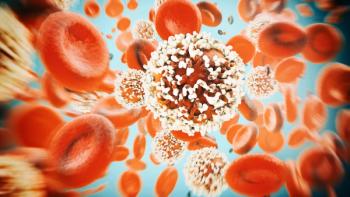
A new study from the Ohio State University found the commonly-prescribed blood cancer drug ibrutinib was linked to new or worsening hypertension, which investigators suggest could contribute to an increase in other cardiovascular events.
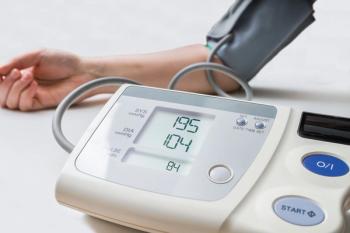
Local heat therapy applied overnight effectively lowers blood pressure in patients with both primary autonomic failure and nocturnal supine hypertension, according to a study presented at AHA’s Hypertension 2019 Scientific Sessions in New Orleans.