





























































Ezetimibe 10 mg/day significantly reduced the incidence of atherosclerotic cardiovascular events in elderly patients with high LDL cholesterol compared to control.
Ezetimibe 10 mg/day significantly reduced the incidence of atherosclerotic cardiovascular events in elderly patients with high LDL cholesterol compared to control.
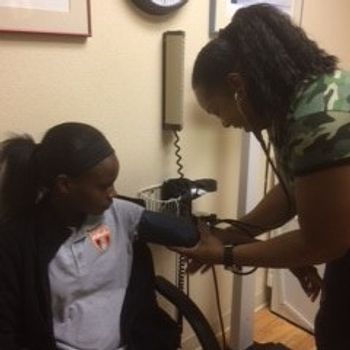
In visits with overweight or obese children with high blood pressure, pediatricians either provide no communication about BP or unclear or dismissive statements, unless SBP is ≥120 mmHg.







Though new therapies are still in the distant future, advances in diagnosis may be on the horizon.

Distinguishing pulmonary arterial hypertension in patients is a difficult early diagnosis. But seeking out a combination of unexplained symptoms is a good first step.

Salt sensitivity of blood pressure (SSBP) is still poorly understood. How much do you know about it? Find out, here.
Experts advise that primary care physicians give pause next time they treat a patient with unexplained dyspnea—could it be pulmonary hypertension?
Though the commonly accepted ratio is 3:1 women, longtime clinicians suggest PAH ratio is more likely closer to 4:1.
Using data registries from initial trials, companies such as Actelion will be looking to expand research beyond the first first or second year of care in patients with PAH.

Once physicians know if it's the cause of PAH or just simply an overlap, comorbidities have to be closely monitored as disease progression.
The addition of a couple of new drug classes at the turn of the century have given clinicians the greenlight to stack therapies at initial treatment.