





Major Depressive Disorder
Latest News
Advertisement
Latest Videos





Shorts
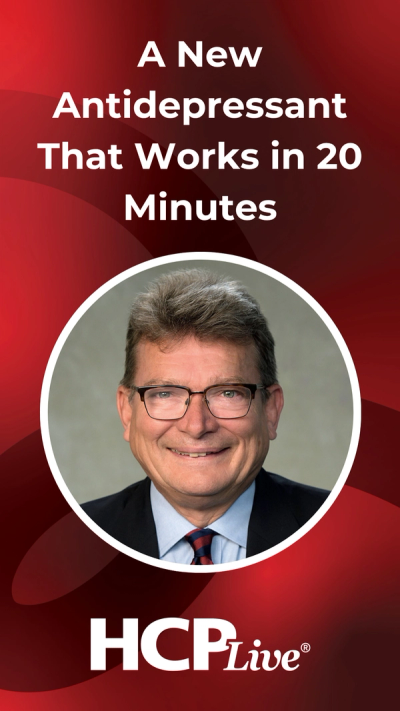
1:03
Beyond Esketamine: What's Next for Rapid Depression Relief?
a month ago
by
Michael E. Thase, MD

0:41
How Long Should a Failed Antidepressant Trial Actually Run?
a month ago
by
Ken Cohen, MD

0:39
Managing Antidepressant Adverse Events Without Stopping Treatment
a month ago
by
Ken Cohen, MD

1:06
Can Psilocybin Cure Treatment-Resistant Depression?
2 months ago
by
Boadie Dunlop, MSC
1:02
A New Paradigm: Why This Psychedelic for MDD Is “Impressive”
3 months ago
by
John Sonnenberg, PhD
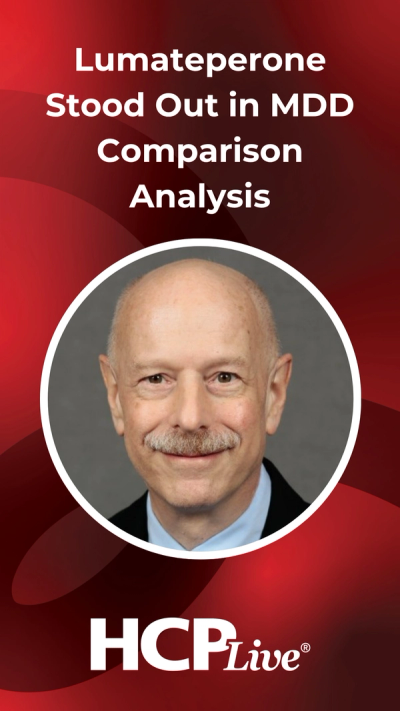
0:57
Why Lumateperone Stands Out for Depression Treatment
4 months ago
by
Leslie Citrome, MD

1:08
The Next Step for Monocyte Epigenetic Aging Biomarkers in Depression
5 months ago
by
Nicole Beaulieu Perez, PhD, RN, PMHNP-BC

1:44
Psychedelics in Treatment-Resistant Depression: What Clinicians Should Say
5 months ago
by
Gus Alva, MD

1:40
PETRUSHKA Tool Improves Antidepressant Adherence in Primary Care
5 months ago
by
Andrea Cipriani, MD, PhD

0:56
Preventive Cognitive Therapy May Reduce Depression Relapse
5 months ago
by
Marie-José van Tol, PhD
CME Content




























































Advertisement
More News

The FDA approved a lumateperone sNDA adding relapse prevention data in schizophrenia based on a 63% reduction in relapse risk versus placebo.

In a randomized trial, PETRUSHKA improved antidepressant continuation and 24-week symptom outcomes by integrating clinical data with patient preferences.

Alva outlines how general clinicians should address patient questions on psychedelic therapies, including risks, approvals, and referral pathways.
Alva discusses infrastructure gaps, training demands, and unmet psychiatric need amid accelerated policy momentum for psychedelic therapies.
Following an April 18 executive order, Gus Alva, MD, discusses psychedelic mechanisms, evidence, and clinical considerations for psychiatry.

Preventive cognitive therapy may reduce relapse in recurrent depression by strengthening positive affect and addressing anhedonia, van Tol explained.
Research suggests preventive cognitive therapy reduced relapse risk in recurrent depression by improving positive affect and anhedonia, van Tol explained in an interview.

Murrough discusses ADAA 2026 findings evaluating azetukalner in MDD with anhedonia; exploratory outcomes suggest potential benefit despite nonsignificant primary endpoints.

In this interview, Miller discusses patients using ChatGPT for mental health advice, risks in severe mental illness, and how clinicians respond.

King discusses real-world patient use of AI tools for mental health advice and implications for clinical conversations.

Wescott discusses ADAA 2026 findings linking sleeping less than usual to next-day depression in high-risk youth, with interpersonal reactivity emerging as a potential mechanism.

Sisti discusses ethics, safety, and guardrails as patients use ChatGPT for mental health support and clinicians navigate AI’s role in psychiatry.

Phase 2 data presented at ADAA 2026 suggest azetukalner may improve anhedonia in MDD, even though the trial did not meet its primary neuroimaging endpoint.

Yockey discusses why girls, older teens, and multiracial youth remain at greater risk for depression despite overall post-pandemic improvements.
FDA approvals, at-home neuromodulation, phase 3 psychedelic data, and rising AI therapy use impacted the psychiatry field in the first quarter of 2026.
Survey data show a nearly 40% drop in adolescent depressive episodes post-pandemic, though clinicians should remain vigilant for disparities and unmet care needs, Yockey says.

Interview with Xue on UK Biobank data linking first-onset depression after age 50 to cognitive deficits and increased dementia risk.
Rapid psychedelic therapies, accelerated TMS protocols, AI-driven care debates, and semaglutide’s link to reduced suicidality shaped psychiatry headlines in March 2026.

In part 3 of an interview, Michael E. Thase, MD, discusses retreatment timing, safety monitoring, and research priorities following phase 2b GH001 data.
An interview with Thase explores rapid antidepressant effects and real-world considerations for single-day individualized GH001 dosing in TRD.
Analysis of 75,064 UK Biobank participants found late-onset depression associated with worse fluid intelligence and visuospatial memory and a 42–52% increased dementia risk.
Inhaled GH001 achieved 57.5% remission by day 8 in TRD with a large effect size vs placebo; Thase discusses interpretation, unblinding, and phase 3 implications.

As patients increasingly turn to ChatGPT for mental health support, psychiatrists and ethicists weigh the clinical risks, ethical concerns, and what clinicians should do next.

Study shows microglia-driven hippocampal remodeling may connect chronic pain to depression, highlighting the importance of timing for behavioral interventions.

National cohort study finds semaglutide tied to reduced depression, anxiety, and self-harm risk in patients with diabetes and comorbid mental illness.
Advertisement
Advertisement
Trending on HCPLive
1
The Case for Routine Kidney Screening, With Pranav Garimella, MBBS, MPH
2
FDA Approves Obinutuzumab (Gazyva) for Idiopathic Nephrotic Syndrome
3
Zilurgisertib Receives FDA Approval for FOP in Patients 12 and Older
4
FDA Approves Baricitinib for Adolescents With Severe Alopecia Areata
5