





Major Depressive Disorder
Latest News
Advertisement
Latest Videos









CME Content




























































Advertisement
More News

A study presented at SLEEP 2024 found persistent or progressive insomnia symptoms are linked to a greater depression risk than subthreshold cases with gradual improvement.

Announced on May 29, 2024, data from the MDD3001 trial indicate use of seltorexant was associated with meaningful improvements in depressive symptoms and sleep disturbances.

Unlike approved antidepressant drugs which have warnings on their labels stating they may increase the suicide risk, NRX-101 demonstrates meaningful reductions in suicidality.

An AAPA 2024 poster from University of Utah shows significant disparities in which patients are missed for depression screening, despite a clinic's universal screening protocol.

NBI-1065845 shows promise in alleviating symptoms of major depressive disorder in patients with inadequate response to current antidepressant treatments, according to phase 2 SAVITRI study data.

A new study found extending postpartum Medicaid from 60 days to 12 months is linked to new mothers being more likely to seek mental health care for perinatal mood and anxiety disorders.
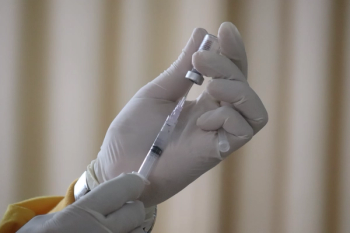
A new study found a single low dose of esketamine given shortly after childbirth reduced major depressive episodes at 42 days postpartum by about 3 quarters.

Patients on psilocybin for depression or anxiety reported tolerable adverse events, including headache, nausea, anxiety, dizziness, and elevated blood pressure.

A study using machine learning models found “I” usage on Facebook posts does not predict depression severity in Black individuals.

Although still recruiting, the first patient was randomized to receive NBI-1070770 for major depressive disorder in a phase 2 trial assessing efficacy, safety, and tolerability.
This March 2024 psychiatry month in review highlights positive phase 2b and phase 2a data for drugs targeting treatment-resistant depression, generalized anxiety disorder, and PTSD.

A phase 2a open-label study found BL-003 for treatment-resistant depression was well-tolerated and any acute effects resolved on average in less than 2 hours.

In a recent UK study, more than half of stroke survivors developed depression within 18 years.

The hospitalization risk was reduced to up to 75% for patients with heart disease treated with both antidepressants and psychotherapy to manage anxiety or depression symptoms.

In an interview with HCPLive, Rebecca Andrews, MD, provided insight into the way the American College of Physicians voted on the performance measures for MDD.

A new study found women (1.64) had a greater hazard ratio of depression for CVD than men (1.39).

This psychiatry month in review spotlights new research on detecting and treating major depressive disorder with AI, FDA’s Complete Response Letter for roluperidone, and more.

A new study found menopausal hormone therapy was associated with a significant reduction in depressive symptoms over time with a greater reduction combined with antidepressants.

MoodCapture, an app with AI that can detect depression onset from facial cues, accurately diagnosed 75% of participants in a study with early symptoms of depression.

A new study found female teens and young adults were more likely to have an increased antidepressant dispensing rate during the pandemic than male peers.

A new study found crisis response planning for PTSD among military veterans had lower onset of suicidal ideation than veterans with self-guided safety planning.

A new study found engaging the amygdala can help with memory recall for individuals with depression—and familiar scents helped more than word cues. Memories with odor cues were more arousing and vivid.

A secondary analysis found a brain scan with an AI algorithm predicted within a week 1/3 of patients would respond to sertraline and 2/3 would not.

Telehealth appointments, patients who prefer speaking non-English, older adults, and patients on Medicaid had lower odds of having a depression screening during the early COVID-19 pandemic.

A study found adolescents with PCOS have a 5.38-fold increased risk for a suicide attempt, and adults have an 8.75-fold increased risk.
Advertisement
Advertisement
Trending on HCPLive
1
The Case for Routine Kidney Screening, With Pranav Garimella, MBBS, MPH
2
FDA Approves Obinutuzumab (Gazyva) for Idiopathic Nephrotic Syndrome
3
Zilurgisertib Receives FDA Approval for FOP in Patients 12 and Older
4
FDA Approves Baricitinib for Adolescents With Severe Alopecia Areata
5