





Major Depressive Disorder
Latest News
Advertisement
Latest Videos


CME Content




























































Advertisement
More News

A new study found crisis response planning for PTSD among military veterans had lower onset of suicidal ideation than veterans with self-guided safety planning.

A new study found engaging the amygdala can help with memory recall for individuals with depression—and familiar scents helped more than word cues. Memories with odor cues were more arousing and vivid.

A secondary analysis found a brain scan with an AI algorithm predicted within a week 1/3 of patients would respond to sertraline and 2/3 would not.

Telehealth appointments, patients who prefer speaking non-English, older adults, and patients on Medicaid had lower odds of having a depression screening during the early COVID-19 pandemic.

A study found adolescents with PCOS have a 5.38-fold increased risk for a suicide attempt, and adults have an 8.75-fold increased risk.

A pooled analysis showed patients on cariprazine for major depressive disorder had only mild to moderate treatment-emergent adverse events.

Although a new study found antidepressants from SSRI or SNRI did not increase the risk of hemorrhagic stroke or other serious bleeding in ischemic stroke survivors, the risk increased when taking antidepressants of other classes and anti-platelet medications.
Our January 2024 psychiatry month in review includes studies finding associations with depression, anxiety, and anorexia nervosa, as well as a phase 3 study looking into long-term safety of olanzapine, samidorphan.

A new survey study of high schoolers found alcohol, cannabis, and nicotine were linked to significant, moderate dose-dependent associations with worse symptoms of depression, anxiety, ADHD, general mental health, as well as suicidal thoughts.

A new study found behavioral activation therapy is just as effective as antidepressants for treating depressive symptoms in patients with heart failure, with both treatments having a 50% reduction at months 3, 6, and 12.

Respondents in trigger states had significantly greater increased anxiety and depression symptoms following the Dobbs abortion decision on June 24, 2022 than respondents in non-trigger states.

Analysis finds measures of iron deficiency, including ferritin, serum iron, and transferrin, were linked to an increased likelihood of depression in young adult males but not females.

For every increment increase in a participant’s usual score for depressive symptoms, investigators of a new study found weight increased a month later by 45g, only for participants with overweight and obesity.

A new study found, after bariatric surgery, participants had a 9.5% reduction in anxiety and a 22.3% reduction in depression.

A new study does not support the home-use tDCS since the findings show the home-use tDCS combined with either a digital psychological intervention or digital placebo was not superior to the sham.
The FDA approved zuranolone for postpartum depression in August, and the drug recently hit the market for patients this month. Experts are celebrating its delivery of care and rapid response rate.

Tight glycemic target treatment compares similarly to less-tight glycemic target treatment in terms of how it affects the mental health status of women with gestational diabetes mellitus.

In a new study focusing on adults with type 1 diabetes and mild-moderate depressive symptomatology, a CBT program helped depression symptoms, quality of life, anxiety, treatment adherence, and total diabetes-related stress in emotional, physical, and impersonal subscales.
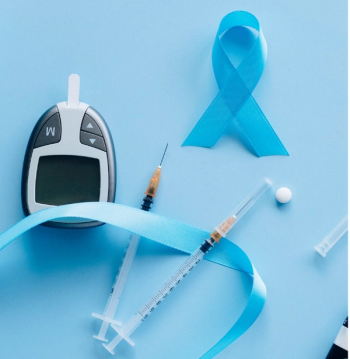
Mothers with mood disorders—either bipolar disorder, major depressive disorder— or schizophrenia/ schizoaffective disorder are not associated with their offspring’s risk for type 1 diabetes. Results suggest mothers with bipolar disorder tend to develop type 1 diabetes, but data is not clinically significant.

After years 1, 3, and 5, patients with diabetic retinopathy patients had increased odds of depression and suicide, patients with glaucoma had increased odds for all mental health conditions with higher odds for suicide or suicide ideation, and patients with AMD had increased odds for depression.

The rates of pediatric and adolescent treatment for depression, anxiety, ADHD, and behavior disorders vary by age, income level, and region.

A new analysis was unable to provide conclusive comparisons between the 2 methods of psychotherapy delivery, despite robust data.

A trend shows there is an association between the rise of LSD and adults with depression—but it is even more prevalent in young adults aged 18-34 than older adults.

Only roughly 21% of adolescents with mental health issues receive outpatient treatment, according to a new study.

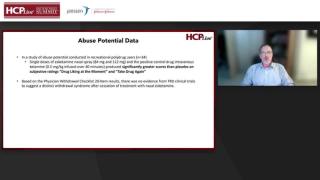
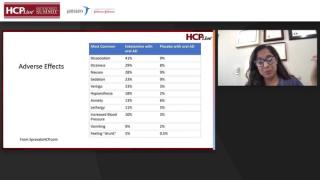
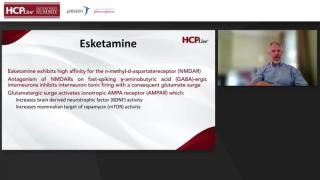
Extended-release quetiapine is commonly used for treatment-resistant depression, but a new study reveals patients receiving esketamine nasal spray are 54% more likely to reach remission at 8 weeks.
Advertisement
Advertisement
Trending on HCPLive
1
The Case for Routine Kidney Screening, With Pranav Garimella, MBBS, MPH
2
FDA Approves Obinutuzumab (Gazyva) for Idiopathic Nephrotic Syndrome
3
Zilurgisertib Receives FDA Approval for FOP in Patients 12 and Older
4
FDA Approves Baricitinib for Adolescents With Severe Alopecia Areata
5