



Major Depressive Disorder
Latest News
Advertisement
Latest Videos


CME Content




























































Advertisement
More News

Use of Zuranolone for Treatment of MDD
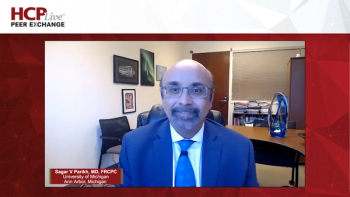
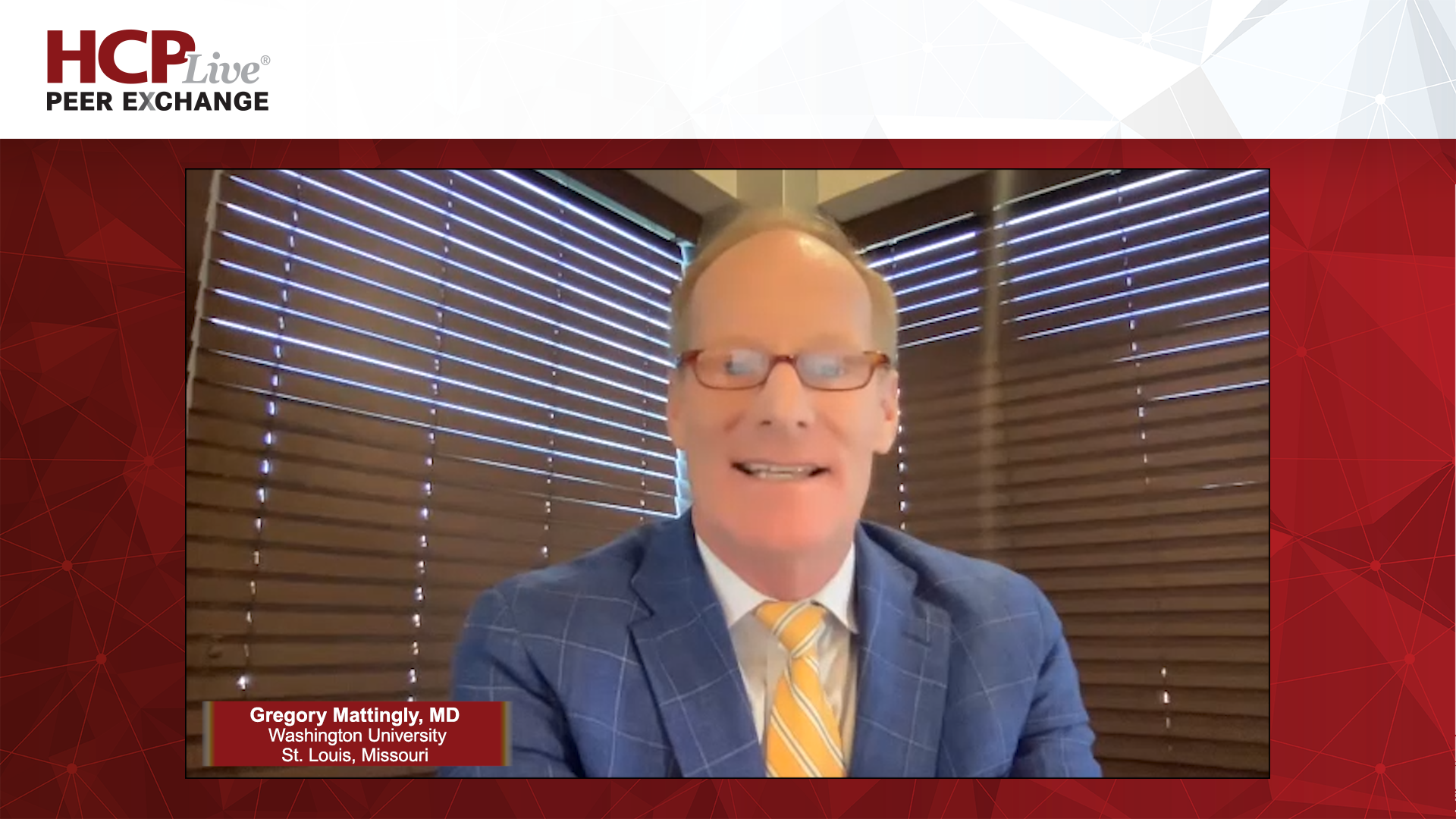
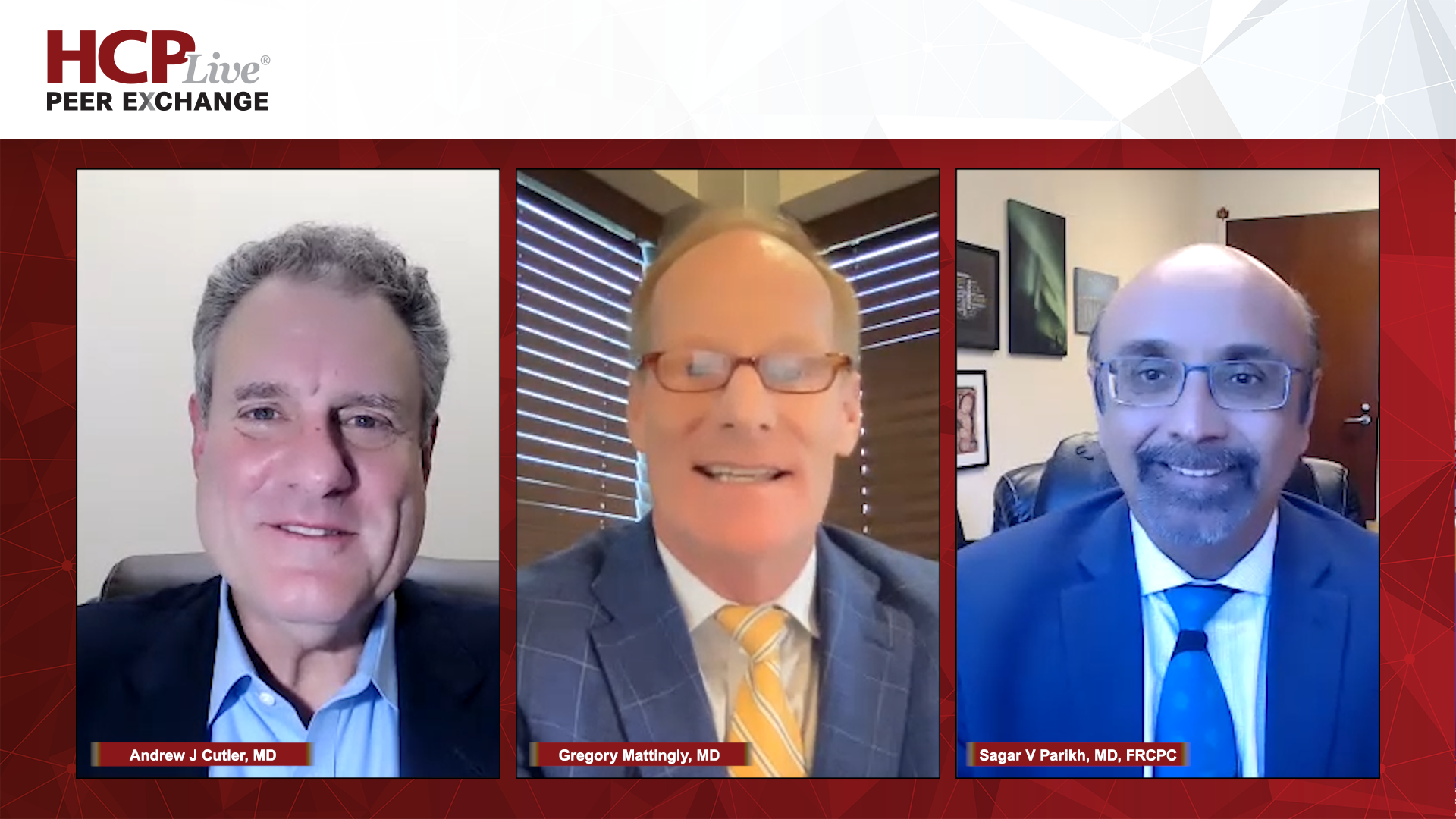
Andrew J. Cutler, MD; Gregory Mattingly, MD; and Sagar V. Parikh, MD, FRCPC, review newly approved additions to the major depressive disorder treatment landscape, including esketamine, brexanolone, AXS-05 (dextromethorphan/bupropion).
Experts in psychiatry discuss unmet needs in the treatment of major depressive disorder and how new agents are aiming to fulfill these needs.
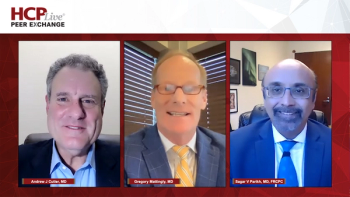
Andrew J. Cutler, MD; Gregory Mattingly, MD; and Sagar V. Parikh, MD, FRCPC, comment on the limitations and challenges of traditional treatments for MDD, such as length of treatment and adverse events.

Patients with late-onset depression died on average 1 year earlier than those with early-onset depression or those without late-life depression.

A new cross-sectional analysis suggest there are few options available for patients with schizophrenia or a serious mood disorder.
Sagar V. Parikh, MD, FRCPC, reviews factors that lead to the use of antidepressants in the treatment of MDD.
Gregory Mattingly, MD, provides an overview of currently available treatment options for MDD.

Neither finasteride nor dutasteride were linked to an increased risk of suicide.

Sagar V. Parikh, MD, FRCPC, leads a discussion on patient engagement and shared decision-making in treatment selection in MDD.
Drs Andrew J. Cutler, Gregory Mattingly, and Sagar V. Parikh share their approach to treatment selection for patients with MDD.

Serotonin syndrome occurred in less than 0.5% of patients, while the number of serotonin syndrome cases was fewer in the antidepressant group.

TRD episodes resulted in more inpatient bed-days and lost workdays compared to non-TRD episodes.
The indication expands the marketed use of the atypical antipsychotic drug to be used with antidepressants in adult patients.
Andrew J. Cutler, MD; Gregory Mattingly, MD; and Sagar V. Parikh, MD, FRCPC, discuss the connection between depression and other health conditions, as well as the economic impact of major depressive disorder [MDD].
Andrew J. Cutler, MD; Gregory Mattingly, MD; and Sagar V. Parikh, MD, FRCPC, review trends in the prevalence of major depressive disorder (MDD) in the US, and the impact of the COVID-19 pandemic on MDD trends.

New phase 2 data show a synthetic, proprietary 25 mg dose from COMPASS may fare better for adult patients than a 10 mg dose.
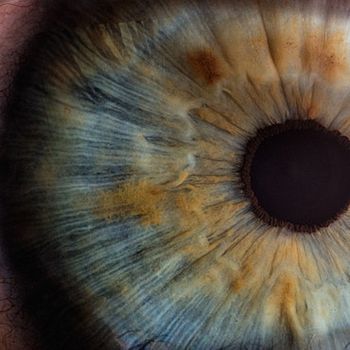
Genetic factors previously known to predispose people to hyperopia were not risk factors for clinically significant depression in the study.

There is no evidence in the value of screening for depression in individuals aged 11 years and younger.

A recent study found that worsened visual acuity and depression were associated with neurobiological changes visible through MRI scans.

A duration-response analysis of 1-mg dosage produced a 5% decrease in suicidal events per month of additional treatment.

Officials with the US Preventive Services Task Force have new recommendations for adult mental health screens.

A recent study in China aligns with findings regarding lower life quality rankings for older adults.

New findings illuminate the need for clinicians to address sleep issues for patients with autism.

Individuals were more likely to communicate about sleep during depressed mood episodes.
Advertisement
Advertisement
Trending on HCPLive
1
The Case for Routine Kidney Screening, With Pranav Garimella, MBBS, MPH
2
FDA Approves Obinutuzumab (Gazyva) for Idiopathic Nephrotic Syndrome
3
Zilurgisertib Receives FDA Approval for FOP in Patients 12 and Older
4
FDA Approves Baricitinib for Adolescents With Severe Alopecia Areata
5