


Major Depressive Disorder
Latest News
Advertisement
Latest Videos




CME Content




























































Advertisement
More News

Dr. Shirah Vollmer and Dr. Michael Ziffra host a Question & Answer Session addressing common inquiries about mental health treatment in the primary care setting.
Dr. Levine is joined by Dr. Sanjay Mathew to talk about some exciting treatments in the pipeline for psychiatric disorders.

There were key aspects that differed in the gut microbiota between patients with major depressive disorder and the healthy control group.

Patients with inflammatory bowel disease are at an increased risk of developing depression.
The digital software program was significantly beneficial and tolerable among patients who used it over 6 weeks, according to new findings.
Dave Bellevue of The Oxymorrons joins Steve to talk about his journey to mental health advocacy.
There is a need for new medications for depression to overcome high rates of treatment resistance.

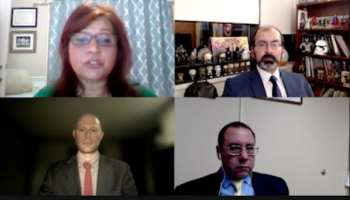
Subhdeep Virk, MBBS, chaired the recent State of the Science event on treatment-resistant depression.

Patients who screened positive for depression had worse dry eye symptoms and overall signs but similar inflammatory markers compared to those negative for depression.
In the first episode of Rethinking Psychiatry, Dr. Steve Levine is joined by Dr. Gul Dolen for a discussion on how the brain shapes social behavior.
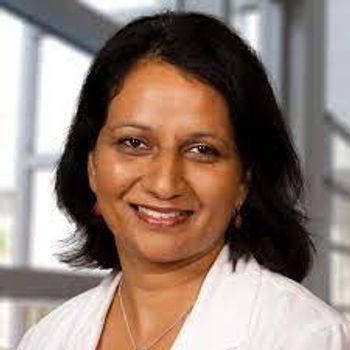
Virk will chair a discussion on depression treatments on March 3.
The Supplemental New Drug Application was based on the results of numerous clinical trials.

Sage Therapeutics and Biogen expect to apply to the FDA in 2022.

The number of dropouts and dropouts because of adverse events did not differ between treatments.

A 3-part series on the manifestations of physician burnout, how COVID-19 changed its scope and revealed systemic fractures, and finally, the path towards resolution and reformation.
Our third and final episode on physician burnout traces the path towards a solution and ultimately, reformation in the system as a whole.
Our 5 experts return to examine the far-reaching repercussions of the COVID-19 pandemic on the physician burnout crisis.
Joined by 5 experts in the field of burnout, Crisis Point uncovers the ways burnout manifests and the ramifications it has on both personal and professional lives.
MindMed will now move forward with the 200 patient randomized, placebo-controlled study.
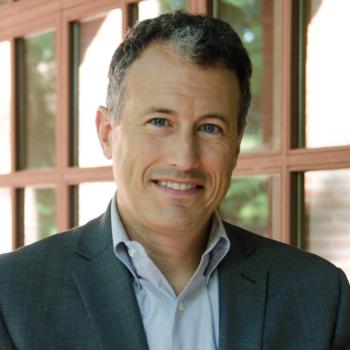
Analysis of 2 national surveys suggest a more than two-fold greater likelihood of depressed Americans endorsing a false fact about COVID-19 vaccines than others.
Despite attempts climbing since 2008, investigators have observed no significant change in suicidal adults seeking care.
The treatment is approved as either a monotherapy or an adjunctive therapy with either lithium or valproate.

Copy number variations were broadly associated with an increased risk of autism spectrum disorder and ADHD.

Students with IBS were also linked to depression and anxiety symptoms.
Advertisement
Advertisement
Trending on HCPLive
1
The Case for Routine Kidney Screening, With Pranav Garimella, MBBS, MPH
2
FDA Approves Obinutuzumab (Gazyva) for Idiopathic Nephrotic Syndrome
3
Zilurgisertib Receives FDA Approval for FOP in Patients 12 and Older
4
FDA Approves Baricitinib for Adolescents With Severe Alopecia Areata
5