





Nephrology
Latest News
Advertisement
Latest Videos

CME Content























































Advertisement
More News
Findings suggest the potential prognostic value of time-averaged serum uric acid for predicting disease progression in IgAN.

Proteinuria < 1 g/d is the current treatment target, but findings suggest patients with uACR between 0.3 and 1.0 g/g face a substantial risk of adverse kidney outcomes.

Results showed the prevalence and treatment patterns for IgAN in select Asian Pacific countries and regions were not commonly available.
Findings showed the light microscopy pattern of glomerular injury and the intensity of mesangial C3 deposition may refine the histological assessment of IgAN.
This month in review highlights top coverage of the latest news in nephrology, ranging from new clinical trial data in IgAN to research about kidney disease management.
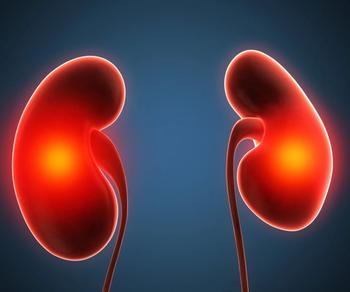
Urinary cytokines GDF-15, IL-6, and EGF significantly strengthened the predictability of IgAN prognosis and may be viable biomarker candidates for disease progression.

Barratt explained findings from the phase 2b ORIGIN trial of atacicept and how it compares to current standard therapies in IgAN and other agents in the pipeline.
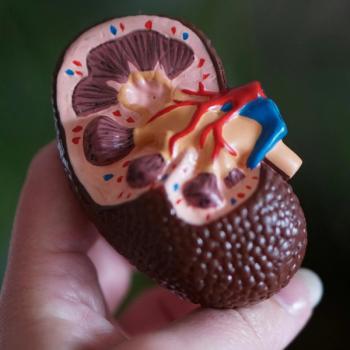
A single-center assessment showed patients with glomerulonephritis may face a heightened risk of primary disease recurrence up to 1 year after transplant.

KDpredict uses age, sex, eGFR, and albuminuria to calculate 1-5 year risk of kidney failure and death in chronic kidney disease, outperforming the kidney failure risk equation.

Results showed a negative correlation between serum Gd-IgA1 and kidney function but found no association with several validated IgAN prognostic risk factors.

Positive topline results showed treatment response consistent with NefIgArd findings, regardless of whether participants had previously been treated with Nefecon or placebo.

The American College of Physicians released new recommendations for the management of type 2 diabetes with inadequate glycemic control using metformin or other first-line therapies.

New phase 3 findings show daily oral budesonide reduces eGFR decline while maintaining patient quality of life over 2 years.

Meta-analysis of 11 phase 3 trials shows SGLT2 inhibitors reduce cardiovascular event risk by 9% across diverse patient populations.

The consensus calls for the recognition of kidney disease as a major non-communicable disease driver of premature mortality by the World Health Organization.

Incident use of anti-TNF therapy was linked to an increased risk of kidney function decline but not all-cause mortality in patients with newly diagnosed IBD.
Barratt discusses results from subgroup analyses of the phase 3 PROTECT trial based on baseline proteinuria and what they add to previous findings.
Barratt discusses the potential of targeting the alternative pathway for controlling inflammation and the significance of the new APPLAUSE-IgAN data.

Although the intervention did not reduce risk of CKD progression versus standard care, it addressed barriers to care and increased patients’ exposure to ACEi/ARBs.

Using the National Institutes of Health Toolbox Cognition Battery, results showed greater cognitive dysfunction across certain domains based on sex and CKD stage.
RUBY-3 findings support povetacicept’s ability to induce remission, reduce UPCR, stabilize renal function, and resolve hematuria in patients with IgAN.

Findings call attention to the risk of complications in patients with CKD and UACR <30 mg/g, highlighting the dangers of elevated albuminuria even in the normoalbuminuric range.

Results suggest low-dose corticosteroids in combination with leflunomide are more efficacious for improving urine protein excretion with better safety than full-dose corticosteroids.

Our March 2024 month in review highlights HCPLive’s top coverage of the latest news in nephrology, ranging from new CKD research and KDIGO guidelines to recent IgAN data.

Both high blood pressure and triglycerides were identified as risk factors for IgAN, although high blood pressure was deemed to have the most direct influence.
Advertisement
Advertisement
Trending on HCPLive
1
Tilrekimig Meets EASI-75 Goal in Atopic Dermatitis, With Eric Simpson, MD
2
Tips on Optimizing HS Biologics, Combinations, and Surgery
3
FDA Approves Once-Monthly Subcutaneous Olanzapine for Schizophrenia
4
Why "Normal" Ferritin Can Miss Iron Deficiency, With Jacquelyn Powers, MD, MS
5