




Psychiatry
Latest News
Advertisement
Latest Videos





CME Content



























































Advertisement
More News
McIntyre explains why GLP-1/GIP receptor agonists like semaglutide may alter cognitive and psychiatric care similar to cardiometabolic disease.

Devanand reviews lecanemab and the advent of blood biomarkers for dementia and Alzheimer's management at APA 2024.
Marmar explains what anticipated blood and molecular profiling of PTSD may provide psychiatrists treating patients.

Kane explains why newer long-acting injectables and clozapine may be under-utilized still in the management of schizophrenia.

In an interview with Andrew Chen, MD, he explained why patients might need to turn to more adverse event prone anxiety medications.

Despite often presenting to the hospital with similar non-psychiatric conditions, patients with schizophrenia often experience a more difficult care process than those without.
In an interview with Andrew Chen, MD, he discussed the first-line treatment for generalized anxiety disorder and when to take other alterative medication.

New literature review data suggests doxazosin is related to less incident hypotension than prazosin, while providing clinical benefit, in PTSD patients with condition-related nightmares.
Olanzapine/Samidorphan Maintains Mood Disorder Efficacy, Weight and Glycemic Tolerability at 4 Years
Four-year, phase 3 data from APA 2024 show olanzapine/samidorphan provided consistent antipsychotic efficacy and weight-related safety in patients with either schizophrenia or bipolar I disorder.
This month in review features top psychiatry news in the pipeline, FDA approvals, and a piece for autism awareness month.
The second segment of a special report stresses the importance of cross-specialty collaboration with hepatology and psychiatry when treating alcohol-related liver disease.
In the first segment of this HCPLive special report, experts discuss the stigma surrounding alcohol use disorder and alcohol-associated liver disease.
FDA issued a CRL the abbreviated new drug application of ketamine, which had sought to enhance accessibility to the limited drug supply.

In an interview, Larry Ereshefsky, PharmD, discussed other conditions brilaroxazine could potentially treat other than schizophrenia due to its mechanism.

Many parents experience high levels of isolation, loneliness, and burnout, feeling like there is no one to talk to about their struggles in their daily lives.
Larry Ereshefsky, PharmD, discussed the effects of brilaroxazine on inflammatory cytokines and neuroinflammation and how this can impact future schizophrenia treatment.
FDA approves the generic equivalent of Narcan HCI Nasal Spray—naloxone hydrochloride (Naloxone HCI)—for an emergency treatment option for an opioid overdose.

The extent of stigma significantly differs based on disease visibility and severity among children with chronic skin disorders.
In an interview with HCPLive, Larry Ereshefsky, PharmD, discussed the phase 3 RECOVER trial assessing brilaroxazine at 50 mg and 15 mg for acute schziophrenia.

This segment of Hemming’s ACP interview featured a discussion of a website used to assess digital applications for patients struggling with mental health issues.

NBI-1065845 shows promise in alleviating symptoms of major depressive disorder in patients with inadequate response to current antidepressant treatments, according to phase 2 SAVITRI study data.
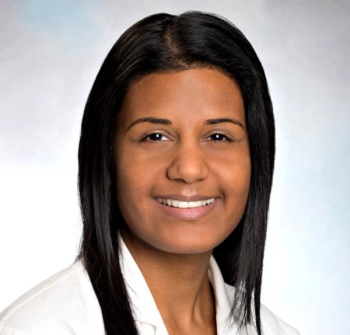
Shah discusses the prevalence of psychiatric illness among hospitalized patients and highlights key considerations for their management from her session at ACP.
This interview at ACP 2024 featured a discussion with Hemming on the Mental Health Care Model (MHCM) and addressing depression in primary care settings.

A recent study found Black individuals had a sharp increase in midlife deaths from suicide, drug overdose, and alcoholic liver disease after 2015.

Vision issues were linked to an increased risk of suicidal ideation, suicidal behavior, and suicide death, particularly among adolescents.
Advertisement
Advertisement
Trending on HCPLive
1
The Case for Routine Kidney Screening, With Pranav Garimella, MBBS, MPH
2
Anti-Alpha-Gal Antibodies Block IgE Binding in Alpha-Gal Syndrome
3
FDA Approves Obinutuzumab (Gazyva) for Idiopathic Nephrotic Syndrome
4
Nearly 9 in 10 US Adults With CKD Don't Know They Have It, With Pranav Garimella
5