

Psychiatry
Latest News
Advertisement
Latest Videos






Shorts

0:39
Managing Antidepressant Adverse Events Without Stopping Treatment
a month ago
by
Ken Cohen, MD
1:06
Can Psilocybin Cure Treatment-Resistant Depression?
2 months ago
by
Boadie Dunlop, MSC
1:02
A New Paradigm: Why This Psychedelic for MDD Is “Impressive”
3 months ago
by
John Sonnenberg, PhD
0:57
Why Lumateperone Stands Out for Depression Treatment
4 months ago
by
Leslie Citrome, MD
1:08
The Next Step for Monocyte Epigenetic Aging Biomarkers in Depression
5 months ago
by
Nicole Beaulieu Perez, PhD, RN, PMHNP-BC
1:44
Psychedelics in Treatment-Resistant Depression: What Clinicians Should Say
5 months ago
by
Gus Alva, MD

1:40
PETRUSHKA Tool Improves Antidepressant Adherence in Primary Care
5 months ago
by
Andrea Cipriani, MD, PhD
0:56
Preventive Cognitive Therapy May Reduce Depression Relapse
5 months ago
by
Marie-José van Tol, PhD
0:57
5 x 5 rTMS Depression Treatment Shows Rapid Results
5 months ago
by
Andrew Leuchter, MD

1:00
Why Patients Are Turning to AI for Therapy
6 months ago
by
Dominic Sisti, PhD
Podcasts



CME Content




























































Advertisement
More News
From FDA-approved at-home TMS and accelerated protocols to conversational AI matching group therapy outcomes, here are 5 psychiatry updates from May every clinician should know.
The FDA declined to approve Cingulate's once-daily ADHD therapy CTx-1301, citing CMC information requests with no clinical safety or efficacy concerns identified.

Transcranial magnetic stimulation for major depressive disorder is shifting toward accelerated (5x5 and SWIFT protocol) and at-home models (ProlivRx).

In a Q&A, psychiatrist Scott Wilke, MD, explains how accelerated TMS protocols are reshaping depression care and may help tailor treatment to specific neural circuits.
Routine depression and anxiety screening in IBD clinics was tied to significantly more referrals and sustained follow-up with psychogastroenterology services

In this interview, Perez discusses data linking monocyte epigenetic age acceleration to non-somatic depressive symptoms.
Shoshani discusses RCT data showing AI reduces anxiety and improves well-being, with outcomes comparable to those of group therapy.
Without FDA-approved medications or standardized detox protocols, clinicians face unique challenges treating methamphetamine addiction.
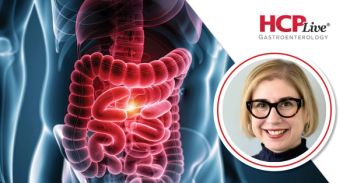
Laurie Keefer, PhD, makes the case for integrating mental health, social determinants, and brain-gut behavior therapies into routine GI care.

Stay updated with the latest healthcare breakthroughs, including notable FDA approvals and filings, in this week’s essential news roundup.
FDA expands lumateperone for relapse prevention in schizophrenia, White House boosts psychedelics research, and AI reshapes psychiatry care debates in April 2026.

Study showed the PETRUSHKA decision-support tool reduced antidepressant discontinuation, supporting personalized treatment approaches.

Pickering discusses data linking social risk factors to hospitalization and costs in MDD and implications for screening and care models.

The FDA approved a lumateperone sNDA adding relapse prevention data in schizophrenia based on a 63% reduction in relapse risk versus placebo.

In a randomized trial, PETRUSHKA improved antidepressant continuation and 24-week symptom outcomes by integrating clinical data with patient preferences.

Alva outlines how general clinicians should address patient questions on psychedelic therapies, including risks, approvals, and referral pathways.
Alva discusses infrastructure gaps, training demands, and unmet psychiatric need amid accelerated policy momentum for psychedelic therapies.
Following an April 18 executive order, Gus Alva, MD, discusses psychedelic mechanisms, evidence, and clinical considerations for psychiatry.

Preventive cognitive therapy may reduce relapse in recurrent depression by strengthening positive affect and addressing anhedonia, van Tol explained.
Research suggests preventive cognitive therapy reduced relapse risk in recurrent depression by improving positive affect and anhedonia, van Tol explained in an interview.

Murrough discusses ADAA 2026 findings evaluating azetukalner in MDD with anhedonia; exploratory outcomes suggest potential benefit despite nonsignificant primary endpoints.

In this interview, Miller discusses patients using ChatGPT for mental health advice, risks in severe mental illness, and how clinicians respond.

King discusses real-world patient use of AI tools for mental health advice and implications for clinical conversations.

Wescott discusses ADAA 2026 findings linking sleeping less than usual to next-day depression in high-risk youth, with interpersonal reactivity emerging as a potential mechanism.

Engel discusses ADAA 2026 findings identifying fear of social judgment as a distinct component of food allergy–related anxiety in adolescents.
Advertisement
Advertisement
Trending on HCPLive
1
The Case for Routine Kidney Screening, With Pranav Garimella, MBBS, MPH
2
Anti-Alpha-Gal Antibodies Block IgE Binding in Alpha-Gal Syndrome
3
Nearly 9 in 10 US Adults With CKD Don't Know They Have It, With Pranav Garimella
4
Weekly Insulin Efsitora Alfa (Onswik) Gains FDA approval for Type 2 Diabetes
5