





Psychiatry
Latest News
Advertisement
Latest Videos







Shorts
1:09
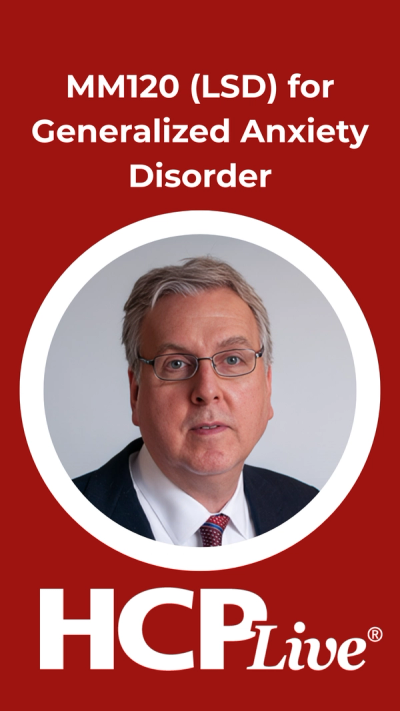
MM120 Effective as a Single Dose for Generalized Anxiety Disorder: Phase 2b Results
a year ago
by
Chelsie Derman
CME Content




























































Advertisement
More News
FDA approvals, priority review decisions, and new data on treatment response and mechanisms highlight a month of progress in MDD and ADHD.

Although patients with remitted MDD showed greater impulsivity than controls, a study found no link between delay discounting and relapse risk after stopping antidepressants.

Meta-analysis links longer preparation therapy and follow-up duration to depressive symptom change in psilocybin- and LSD-assisted treatment.

New data suggest asthma-related depression may be biologically distinct from MDD, with greater serum BDNF tied to worse disease severity and lower physical activity.

The US Centers for Medicare & Medicaid Services selected 15 high-cost drugs for the third cycle of the Medicare Drug Price Negotiation Program, including the first-ever Part B drugs.
FDA prioritizes centanafadine's review for ADHD treatment, offering a novel first-in-class NDSRI option for adults, adolescents, and children.
Greater exposure to preparation therapy before psychedelic dosing was linked to larger reductions in depressive symptoms, a new study found.

Adjunctive lumateperone 42 mg improves remission, relieves anxiety and sleep symptoms, and shows sustained safety in patients with treatment-resistant MDD.

In a 26-week study, adjunctive seltorexant showed no average weight gain in obese patients with MDD and insomnia unlike quetiapine, according to data presented at ACNP 2026.
Lumateperone 42 mg plus antidepressants boosts remission rates and sustains symptom improvement in MDD patients, says Michael E. Thase, MD.
An audio recap of the top 5 stories in healthcare news from the week of 01/04-01/10.
In a 26-week head-to-head study, adjunctive seltorexant led to less weight gain and improved insulin sensitivity trends compared with quetiapine XR in MDD with insomnia.

Stay updated with the latest healthcare breakthroughs, including FDA approvals and clearances, in this week’s essential news roundup.

A 12-week study found that combining CBT with quetiapine lowered suicide risk more than quetiapine alone in adults with depressive or bipolar disorders.
Neurolief’s physician-directed therapy brings supervised, noninvasive brain stimulation into the home for adults with MDD who have not responded to ≥ 1 antidepressant.
An audio recap of the top 5 stories in healthcare news from the week of 01/04-01/10.

A retrospective cohort analysis reports data on a two-sided relationship between depression diagnosis and chronic kidney disease progression.

A study links caregiver beliefs, mental health challenges, multiple allergens, and prior anaphylaxis to worse food allergy–related quality of life in pediatric patients.

Meta-analysis shows exercise may match therapy in improving depressive symptoms, with moderate-intensity and 13–36 sessions offering the greatest benefit.

A study found that low-intensity transcranial ultrasound stimulation targeting the left dlPFC improves depression while avoiding common side effects associated with TMS and tDCS.
Q4 2025 psychiatry highlights: FDA approvals, clearances, and submissions, plus new clinical data shaping personalized treatment in MDD, bipolar, and schizophrenia.

A study found no differences in depressive symptom reduction when nonresponders continued therapy, switched therapists, or changed both therapist and treatment approach.

A study identified early symptom improvement and greater baseline depression severity as predictors of sustained antidepressant response to adjunctive cariprazine in MDD.
December 2025 psychiatry updates: Teva files TEV-‘749 for schizophrenia, lumateperone boosts MDD outcomes, AGA tied to mental health, and a look back at 2025 advances.
An audio recap of the top 5 stories in healthcare news from the week of 12/28-1/3.
Advertisement
Advertisement
Trending on HCPLive
1
The Case for Routine Kidney Screening, With Pranav Garimella, MBBS, MPH
2
Anti-Alpha-Gal Antibodies Block IgE Binding in Alpha-Gal Syndrome
3
Nearly 9 in 10 US Adults With CKD Don't Know They Have It, With Pranav Garimella
4
Weekly Insulin Efsitora Alfa (Onswik) Gains FDA approval for Type 2 Diabetes
5