



Ulcerative Colitis
Latest News


An Increase in Infliximab Biosimilar Dose Escalation Results in Improved IBD Health Outcomes
By Kenny Walter
Jan Wehkamp, MD, PhD: New Long-Term Safety Data for Ustekinumab for Ulcerative Colitis
By Kenny Walter
Advertisement
Latest Videos






CME Content



























































Advertisement
More News

Individuals that did not respond had a lower percentage of naïve T cells compared to responders, while responders had a lower percentage of Th2 and CD4 central memory subsets before vaccination.

There was also an inverse correlation between FGF21 levels and nutritional status indicators, including body mass index, albumin level, and cholesterol in patients with inflammatory bowel disease.

The results suggest CRP and fCal could be useful markers of histology and endoscopy outcomes for biologic-naïve patients with inflammatory bowel disease.

This group also had a longer time to event of first IBD-related hospitalization and primary and secondary IBD-related surgery in patients without a history of IBD-related surgery at baseline.

The most common invasive fungal infection was histoplasmosis and the risk of invasive fungal infections was more than double in patients treated with corticosteroids than it was for patients treated with anti-TNFs.

The results show a placebo-controlled trial is warranted in the future.

From new ACG GERD guidelines to the efficacy of colonoscopies, our latest issue addresses topics changing practice and stirring conversation.

Analysis from a multicenter, randomized, double-blind, parallel group study comparing the drugs as induction and maintenance therapies in biologic-naïve patients.

The results show the ADR in the early session of the unassisted group was significantly higher compared to those in the late session.

The results show adherence to 6 quality indicators was linked to improvements in the post-intervention cohort with significant increases in C difficile testing, CRP testing, testing for latent tuberculosis, thromboprophylaxis, adequate corticosteroids prescription, and limitation of narcotics prescribed.

The rate of adverse events was lower in the combination group than it was in patients in the guselkumab or golimumab monotherapy groups at week 50.

The FDA has approved several biologics in recent years for the treatment of patients with inflammatory bowel disease.

There is very little data on long-term outcomes from pediatric patients with inflammatory bowel disease treated with anti-TNF biosimilars.

Risankizumab is the latest biologic approved by the FDA and the first-ever IL-23A targeted therapy approved for the treatment of patients with Crohn's disease.

There is not much data available on the interaction between Paxlovid and tacrolimus.

Dose de-escalation of tofacitinib resulted in less hospitalizations for patients with ulcerative colitis.

The potential for personalized medicine in inflammatory bowel disease might. be realized in the next few years.

Upadacitinib was not approved by the FDA until 2022 for patients with ulcerative colitis.

The 12-24 session counseling program also resulted in improvements in sleep quality, fatigue level, and stress levels for patients with inflammatory bowel disease.

The majority of patients who achieved persistence at the 12 month mark were also corticosteroid free.

The product is a combination of herbal compounds curcumin and QingDai called CurQD.
Microscopic inflammation can be an important indicator of disease activity in patients with ulcerative colitis.

There was no differences in serious adverse event rates between patients treated with the combination therapy and patients who withdrew from infliximab or immunosuppressant therapy.

The guidelines include advocating for more preventative care and changing how the disease is diagnosed.
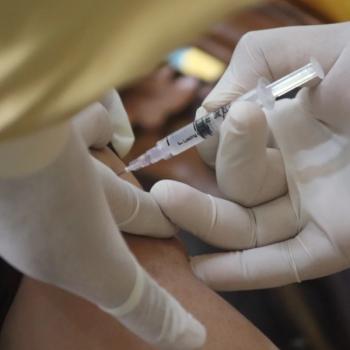
Gut microbiota diversity was lower in below average responders, while 39.5% of participants had a serological response below the geometric mean.
Advertisement
Advertisement
Trending on HCPLive
1
FDA Clears Beta Bionics' Mint Insulin Patch Pump for Diabetes
2
Evolocumab Prevents Recurrent Cardiovascular Events Following MI or Stroke
3
FDA Priority Review Granted to Zasocitinib for Moderate to Severe Psoriasis
4
Ameluz Treatment Becomes First FDA-Approved PDT for Skin Cancer
5