





Ulcerative Colitis
Latest News
Advertisement
Latest Videos



CME Content



























































Advertisement
More News

Prometheus Biosciences is expected to begin phase 3 trials for the treatment in 2023.

The male gender was positively associated with a higher risk of serious infection at month 12 and penetrating disease behavior was positively associated with 12-month treatment persistence.
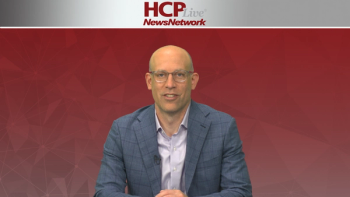
David P. Hudesman, MD, discusses clinical implications from ACG 2022 data on ustekinumab therapy for the management of ulcerative colitis and shares advice for managing patients with the disease.
David P. Hudesman, MD, reviews long-term extension study data for the corticosteroid-sparing effects of ustekinumab on ulcerative colitis as presented at ACG 2022.
The treatment is a broad-spectrum serine protease inhibitor that acts to neutralize digestive enzymes, can possibly reduce abdominal adhesions and accelerate the return of bowel function following gastrointestinal surgery.

Only recent hospitalization and proton pump inhibitor use was deemed an independent risk factor for C difficile infections.
David P. Hudesman, MD, reviews data presented at the ACG 2022 Annual Scientific Meeting on the safety and efficacy of ustekinumab for ulcerative colitis treatment.
David P. Hudesman, MD, provides insight on approaching induction therapy and maintenance therapy for patients with relapsing ulcerative colitis.

In the QUSAR study, 80% of patients treated with guselkumab achieved a clinical response.

For safety, 24.1% of the entire study population experienced adverse events, with 18 participants developing tuberculosis.

The investigators found that depression increased the odds of systemic steroid administrations, the use of 2 or more molecular targeted drugs, and surgery in patients with ulcerative colitis.

New pooled phase 3 data presented at ACAAI 2022 supports the FDA's approval of dupilumab for eosinophilic esophagitis.

More than 70% of patients treated with RBX2660 were recurrence free at the 8 week mark.

The approval of risankizumab represents the first ever IL-23 approved by the FDA for IBD.

Patients with obesity have higher costs and longer hospital stays for IBD.

Up to 2% of patients with IBD also have EoE.

Guselkumab bested placebo in clinical results of patients with ulcerative colitis.

In a late-breaking abstract, the investigators compared antibody levels at month 6 compared to month 1.

A greater proportion of the upadacitinib 15 mg and upadacitinib 30 mg group achieved clinical remission based on the Crohn’s Disease Activity Index

Extended induction treatment with upadacitinib 45 mg led to achievement of clinical response in a clinically meaningful proportion of patients with ulcerative colitis who do not respond to 8 weeks of induction therapy.
Treatment with guselkumab resulted in greater improvements across key clinical and endoscopic/histologic outcome measures at week 12 compared with placebo in patients with moderately to severely active ulcerative colitis with or without a history of inadequate response or intolerance to advanced therapy.

Patients with ulcerative colitis treated with combination induction therapy with guselkumab plus golimumab followed by guselkumab monotherapy achieved higher rates of the several end points at week 38 as compared to either guselkumab or golimumab alone.
A 30 mg dose of upadacitinib led to a 1 month longer clinical remission and approximately 20% of patients had less severe disease at 52 weeks, when compared with a 15 mg dose for patients with active ulcerative colitis.

The rate of serious infections was 5.9 events per 100 person-years in the placebo group, compared to 5.0 events in the upadacitinib 15 mg cohort and 3.2 upadacitinib 30 mg group.

The study results are consistent with previous meta-analyses that show the efficacy of FMT in patients with IBD compared to placebo.
Advertisement
Advertisement
Trending on HCPLive
1
FDA Clears Beta Bionics' Mint Insulin Patch Pump for Diabetes
2
Evolocumab Prevents Recurrent Cardiovascular Events Following MI or Stroke
3
FDA Priority Review Granted to Zasocitinib for Moderate to Severe Psoriasis
4
Ameluz Treatment Becomes First FDA-Approved PDT for Skin Cancer
5