




Ulcerative Colitis
Latest News

Advertisement
Latest Videos







CME Content



























































Advertisement
More News

A redo surgery often improves the quality of life in a number of ways for patients with ulcerative colitis.

In the induction trial, guselkumab resulted in a higher rate of clinical remission, as well as symptomatic remission, clinical response, endoscopic improvement, and histo-endoscopic mucosal improvement at week 12.
Guselkumab induction treatment resulted in significantly greater proportions of patients achieving symptomatic remission, clinical response, endoscopy improvement, and histo-endoscopic mucosal improvement at week 12 and symptomatic remission at week 4 compared to placebo.

No statistically significant differences in infusion reaction, serious reaction, or immunogenicity rates were identified between patients switching to an infliximab biosimilar and those who continued treatment on the originator.

Small molecule therapies offer patients with mild or moderate inflammatory bowel disease a much cheaper alternative to biologics.

A diet that is high in sugar, fried foods, and lacks vegetables increases the risk of pediatric inflammatory bowel disease.
Expert gastroenterologists delve into the long-term management of Crohn’s disease and ulcerative colitis and examine the latest treatment options and strategies to enhance patient outcomes.

There remains a need for more biosimilars in gastroenterology.

Patients in long-remission also presented with fecal bacterial composition that was similar to what was found in the healthy control group and there was a positive correlation between Akkermansia muciniphila abundance and time in remission.

Disease activity and treatment with a small-molecule or an investigation drug were independently linked to an exclusion diet, while a history of stenosis and active disease were associated with fasting.

The results show 52.5% of patients achieved clinical remission at week 96, while 59.0% saw endoscopic improvement, 35.9% achieved endoscopic remission, and 70.5% achieved a clinical response.

Some traditional sarcopenia assessment techniques included direct measurements on cross sectional imaging, but cross sectional imaging also comes with increased time, cost, and radiation exposure.

Using the bidirectional Montreal classification system, which accounts for disease regression, showed that 90% of patients exhibited inflammatory disease behavior at 5 years, compared to 58% if the hierarchical, unidirectional Montreal classification system was implemented.
The FDA cited manufacturing concerns in their letter for the potential ulcerative colitis treatment.

The incidence of mPDAI-defined remission at week 14 was 31% in the vedolizumab group, compared to 10% in the placebo group.

At the 6 month follow-up visit, all participants had stable folic acid levels without macrocytic anemia and the monthly questionnaires showed no increase in symptoms or adverse events reported.

Patients at a risk of malnutrition had a significantly lower mean of albumin, as well as significantly increased proportion of patients with CRP >5 mg/L.

The results show 83% of patients in the combination group achieved clinical response at week 12, compared to 61% of the golimumab monotherapy group and 75% of the guselkumab group.
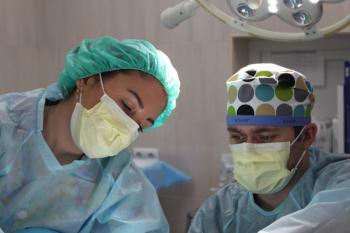
The 2 groups had similar data for any endoscopic recurrence and severe endoscopic recurrence at the first endoscopic evaluation.

Acute severe ulcerative colitis and a greater number of biologics precoloectomy were linked to an increased probability of acute pouchitis, while older age at colectomy was associated with a decreased probability of acute pouchitis.
The results from the INSPIRE trial show risankizumab met all primary and secondary endpoints in treating adult patients with moderately to severely active ulcerative colitis.

Clinical remission and clinical response odds, in both induction and maintenance periods, have been consistent over time.

In the infliximab reference group, the persistence at month 12 was 94% for Crohn’s disease and 92.8% for ulcerative colitis.

The results show concomitant recurrent CDI was associated with an IBD flare in 54% of participants. Of this group, 63% received IBD remission-induction therapy before FMT.

There was a 0.9% increase in the first dispensation of infliximab, either the biosimilar or originator during the first year of follow-up, as well as a 16.2% increase in infliximab dose escalation, a 2.4% decrease in the dispensation of antibiotics, and a 2.6% decrease in the new use of prednisone.
Advertisement
Advertisement
Trending on HCPLive
1
FDA Clears Beta Bionics' Mint Insulin Patch Pump for Diabetes
2
Evolocumab Prevents Recurrent Cardiovascular Events Following MI or Stroke
3
FDA Priority Review Granted to Zasocitinib for Moderate to Severe Psoriasis
4
Ameluz Treatment Becomes First FDA-Approved PDT for Skin Cancer
5