






Vitiligo
Latest News
Advertisement
Latest Videos



CME Content




























































Advertisement
More News

Nearly 70% of all vitiligo patients included in the study remained pigmented after systemic immunomodulatory treatment, with no evidence of recurrence of the disease.

To the investigators’ knowledge, the study offers insights into lesion presentations on undiagnosed adults with vitiligo.

Dr. Desai says that Janus kinase inhibitors present a new mechanism of action, with effects on cytokine signals that signal inflammation in atopic diseases.
New therapies are breaking ground in the world of vitiligo research, which Dr. Desai believes will result in FDA approvals in the coming years.

The interactive map offers patients insights into all available treatments for vitiligo as well as coping strategies.

Dr. Arianna Yanes provides insights into 7 new handouts developed by the Society for Pediatric Dermatology and how they aid nurses and teachers in creating a more inclusive setting for children with skin conditions

Investigators wrote that the phenomena can be used to evaluated clinical features of the disease, resulting in more precise therapy recommendations.

Investigators reported that patients in the vitiligo group reported worse general health, and were willing to pay more than 40% of their income for a cure.

The instrument’s score was compared favorably to the Dermatology Life Quality Index and Vitiligo Impact Patient score.

Combined therapies such as ultraviolet light and tab methotrexate were deemed effective in the management of vitiligo.

Investigators believe the new instrument could be generalized to other chronic inflammatory skin diseases in future studies.

Investigators call the combination of intralesional corticosteroid injections and narrow-band ultraviolet B light to be “effective, simple, and relatively safe”.

Investigators from Egypt recorded a high prevalence of stress, anxiety, and depression in patients with vitiligo.

Dr. Lawrence Eichenfield and Dr. David Rosmarin speak to the efficacy of topical ruxolitinib displayed in several trials involving patients with atopic dermatitis and vitiligo.

Investigators also found that patients with alopecia areata were also had significant inflammatory immune injury and vitamin D deficiency when compared to healthy subjects.

Investigators incorporated a myriad of studies detailing the anxiety and depression associated with the disease, and offered new insights into the concerns of patients and caregivers.

Investigators reported that the drug helped improve skin repigmentation in patients with vitiligo, but added that further studies were needed to fully explore its efficacy.
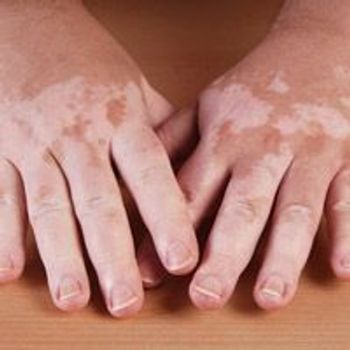
Investigators reported a significant difference in the expansion rate of the skin lesion area in patients with vitiligo in just 3 months of treatment.

Two study authors speak on providing pediatric patients of color with atopic diseases with greater access to care.

The regulatory setback is regarding a manufacturing facility concern not associated with the investigative drug, according to the company.

In this episode of Derm Discussions, vitiligo expert John Harris, MD, PhD, discusses new tactics and therapeutic options in treating inflammatory skin disorders like vitiligo, alopecia areata, and atopic dermatitis.

Though the severity of the COVID-19 virus did not differ in participants with different dermatological conditions, their conditions were affected in alternate ways.

Dr. Ezhkova and fellow investigators found that low UV exposure prompted an increase in pigmentation production through melanocytes in the body.

Dr. Chovatiya speaks on the advancements made in vitiligo research, how the disease can disproportionately impact patients of different ethnicities, and how each patient can be properly treated.

The wound care matrix is composed of hydrolyzed fish collagen infused with cod liver oil and other plant-derived oil and wax to aid in the natural wound healing process.
Advertisement
Advertisement
Trending on HCPLive
1
Targeting Gut Candida to Treat IBD, With Iliyan D. Iliev, PhD
2
Half-Life vs. Real Life: How Real-World Evidence Is Reframing Wet AMD Treatment
3
Why Clinicians Should Not Wait to Augment Inadequate Response in MDD
4
ProACt Data Show Early Functional Gains with Adjunctive Cariprazine In MDD
5