

Three subgroup analyses of the phase 3 NAVIGATOR study are set to be presented at the AAAAI/WAO Joint Congress.
Three subgroup analyses of the phase 3 NAVIGATOR study are set to be presented at the AAAAI/WAO Joint Congress.

Phase 3 ANCHOR-1/2 data support depemokimab as a twice-yearly treatment for CRSwNP, effectively reducing blood eosinophil counts over 52 weeks.

A real-world analysis found mepolizumab significantly improved symptoms in CRSwNP patients, reducing SNOT-22 scores, oral corticosteroid use, and surgery rates.

Five years after peanut oral immunotherapy, children showed lower allergen-specific IgE and greater IgG4 levels than placebo, indicating sustained immune tolerance.

Phase 3 WAYPOINT trial shows tezepelumab significantly reduces nasal polyp severity, congestion, and surgery needed in severe chronic rhinosinusitis with nasal polyp.

A meta-analysis found oral immunotherapy improves health-related quality of life post-food allergy treatment, but benefits during treatment remain unclear.

Approved under the name Dupixent in September 2024, the biologic is the first of its kind approved for COPD.

These new data from BioCryst, presented at AAAAI, suggest that patients treated with berotralstat may see substantial decreases in HAE attacks.

Viaskin milk patch shows promise in cow’s milk allergy, particularly in children aged 2-11 with 300 μg dose, though the other doses examined failed to prove significant benefit.

In an interview during the 2024 AAAAI conference, Casale addressed his team’s findings regarding epinephrine nasal spray and its effectiveness with regard to exacerbations of urticaria.

These findings may allow for patients with severe allergic reactions to have an alternative to epinephrine auto-injector devices.

Robert Wood, MD, principal investigator of the OUtMATCH trial, offers insight into the trial and its results beyond the primary outcome, with a focus on what it means for patients and providers.

Omalizumab, the only FDA-approved treatment for multiple food allergies, demonstrated significant efficacy in the OUtMATCH trial, with 67% achieving the primary outcome compared to 7% in the placebo group.

In this interview, Ebisawa discusses his team’s recent research into the frequently-discussed non-injector epinephrine alternative neffy.

Rilzabrutinib, an oral BTK inhibitor, demonstrates efficacy in reducing itch and disease activity among patients with chronic spontaneous urticaria in phase 2 dose-ranging trial at AAAAI 2024.

These findings, to be presented at AAAAI, may help to expand upon clinicians’ awareness of the mechanics of air pollution’s effect on asthma.

The MANDARA trial results, published in NEJM, show benralizumab's noninferiority to mepolizumab in eosinophilic granulomatosis with polyangiitis, with potential for oral glucocorticoid discontinuation.

This analysis, to be presented at AAAAI, suggests that adolescents’ attendance of daycare may lead to decreased IgE levels and diminished food and aeroallergen sensitization rates.
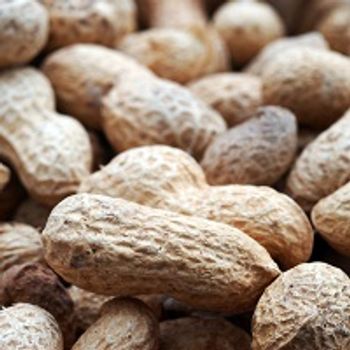
This analysis suggests that the financial burden of oral food challenges may be offset slightly through the use of FPIES.

These data, to be presented at AAAAI, indicate that following 12 and 24 months of immunotherapy with BMOIT, desensitization to milk products can be observed among patients.

“These findings are exciting for us, and our overarching goal is to develop microbial biotherapeutics to treat food allergies," Mustafa Özçam says in an interview with HCPLive.

Practicing oral hygiene improves health issues from gum disease to cardiac disease, and Lebovic believes nasal hygiene can have that impact as well.

"The anticipation would be–wash your hands, brush your teeth, clean your nose–and allow that process to help the patients who suffer from allergy symptoms," lead investigator Dr. Arman Kalmakarian says.

At the AAAAI 2023 Annual Meeting, Dr. Debajyoti Ghosh explains the importance of understanding the effect of phthalates, specifically di-2-ethylhexyl phthalate (DEHP).
Data from AAAAI 2023 suggests that gut microbial composition, function, and metabolic activity are implicated in the efficacy of peanut oral immunotherapy in children with peanut allergy.
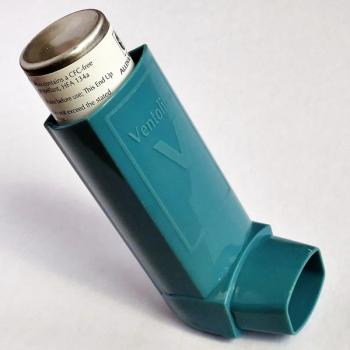
In recent data presented at the AAAAI annual meeting, dupilumab was found to have outperformed both mepolizumab and omalizumab in FEV1 improvement for asthma patients.

Data shown at the AAAAI annual meeting showed that chronic spontaneous urticaria activity and DLQI rankings were higher following dupilumab treatment.

Data presented at the AAAAI annual conference showed that delayed cutaneous reactions were more reported following Moderna COVID-19 vaccination than other vaccines.

New data presented at the AAAAI annual meeting showed that a significant number of patients recommended to be evaluated for drug allergy never completed their diagnostic tests.
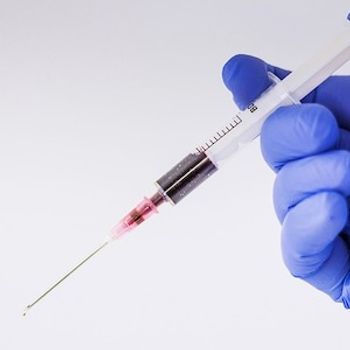
Data presented at the AAAAI annual meeting showed that machine learning models had a high accuracy rate in penicillin allergy prediction, though researchers concluded that more data is needed before adoption.