

HCPLive spoke with Golden at AAAAI on the pitfalls of diagnosing all patients with insect stings for insect sting allergies.
HCPLive spoke with Golden at AAAAI on the pitfalls of diagnosing all patients with insect stings for insect sting allergies.

Findings were presented from the AROMA registry study in 3 abstracts at the AAAAI,WAO Joint Congress.

HCPLive spoke with Lam at AAAAI about how allergists should establish endoscopic sinus surgery expectations with patients regarding risks and benefits ahead of the operation.

Castells discusses improvements in symptoms and quality of life scores for patients with indolent systemic mastocytosis across >2 years of the PIONEER trial.

Pongdee discussed research presented at the AAAAI/WAO Joint Congress that focused on improving diagnosis of indolent systemic mastocytosis.

A phase 2 trial found that 100% of children on peanut oral immunotherapy tolerated 9043 mg of peanuts, vs 10% in the avoidant group.
Phase 2 data from AAAAI 2025 shows peanut oral immunotherapy boosts desensitization in children with high-threshold peanut allergy, enabling safe meal-size peanut consumption.
Castells describes what’s missing from the current treatment landscape and the potential implications of elenestinib for indolent systemic mastocytosis.

Subgroup analyses of the real-world REALITI-A study were presented at the 2025 AAAAI/WAO Joint Congress.

Although omalizumab demonstrated superiority over oral immunotherapy, the treatments had comparable effectiveness when excluding dropouts from the analysis, Wood said at AAAAI.
A Johns Hopkins study presented at AAAAI 2025 found omalizumab was more effective than oral immunotherapy for food allergies, with fewer dropouts due to adverse events.

Climate change is increasing pollen and tick-related allergies, said Scott Commins, MD, PhD, at AAAAI 2025.

A study found that oral physiological changes from allergen exposure in Oral Allergy Syndrome do not alter Anaphylm’s pharmacokinetic or pharmacodynamic profiles.

There was a 79% relative reduction in annualized asthma exacerbation rate in the 6 months after starting treatment compared with the prior 6 months.

At AAAAI 2025, HCPLive spoke with Mahdavinia about how climate change impacts allergies.

HCPLive spoke with Cohen about how patients with a peanut allergy responded to oral immunotherapy with autoclaved peanuts.

Sabato discussed how research in the field will inform how to best utilize novel therapies for indolent systemic mastocytosis now that a disease-modifying therapy is available.

HCPLive spoke with Nyenhuis at AAAAI 2025 about ways to help patients with allergies despite the growing pollen seasons.

HCPLive spoke with Warren at AAAAI 2025 about a pilot study showing allergen-free food subscriptions reduced healthcare use but lacked significance.
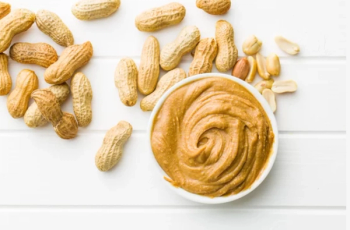
Stallergenes Greer announced that Palforzia is now available for children under 4 years old with a peanut allergy, which follows the extended indication approval in July 2024.

Dupilumab improved R5–R20 and AX compared to placebo, possibly explaining improvements in disease control.

A study at AAAAI 2025 found that dupilumab led to a 73.5% reduction in IgE levels at 24 months.

A study at AAAAI 2025 found that monitoring transepidermal water loss during oral food challenges reduced anaphylaxis rates and epinephrine use in children.
In this quiz, we test your knowledge of the latest guideline recommendations for aspirin therapy in AERD.

A study suggests the prevalence of Legionella may explain why children with seasonal allergic rhinitis vs perennial allergic rhinitis have more severe symptoms.

Mepolizumab led to greater symptom score improvements than omalizumab in severe CRSwNP, though both biologics showed significant nasal polyp reduction.
In this quiz, we examine your knowledge of biologic therapy for the treatment of CRSwNP.

A new study presented at AAAAI 2025 linked pediatric obesity to a greater risk of developing allergic rhinitis, with a 1.24x increased risk at 1 year.
In this quiz, we test your knowledge of evidence-based use of intranasal corticosteroids for patients with CRSwNP.

The regulatory agency has set a PDUFA target action date of August 27, 2025, for the investigational gene therapy.