

A review of 3 new studies, which indicate the association between severe COVID-19 and the chronic disease is more intricate than previously thought.
A review of 3 new studies, which indicate the association between severe COVID-19 and the chronic disease is more intricate than previously thought.

From better education, to remote monitoring and consistent check-ins, clinicians may need to initiate better adherence in their younger, severely ill patients.

How dupilumab is observed to benefit EoE patients—and who may administer the biologic therapy.

An interview on the TSLP inhibitor's effect on exacerbations, hospitalizations, and disease progress over 52-week findings.

In data presented during AAAAI 21, researchers compared the 2006 and 2016 versions of the diagnostic criteria proposed by the NIAD/FAAN.

Perspective on how the interleukin-targeting biologic has unique benefit for the rare, under-resourced disease.

Oxygen saturation levels similar for both asthma patients and non-asthma patients following mask use.

Late-breaking data show allegic children as young as 1-4 years old may have sustained benefit from daily peanut protein exposure.
An interview with a Children's Hospital Colorado investigator on new remote-monitoring research into children's adherence trends.

The adjusted allergy prevalence in recent years was 2.6% in infants who have been introduced to peanuts at 12 months.

New survey results depict unexpected burdens in long-haul patients, as well as continued issues following rehabilitation.

Common positive effects includes help with sleep, less pain, and calming influence.

An interview with a study author on new interpretations of biologic asthma benefit.
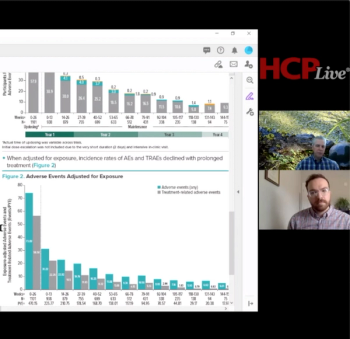
A discussion on continued research into the first regulated treatment for pediatric peanut allergy.

Treatment showed a similar effect on patients with and without baseline asthma.

All patients in the study who tested positive for COVID-19 suffered from mild or moderate symptoms.

Researchers explore further endpoints from the SINUS-24 and SINUS-52 trials.

In data presented at AAAAI 2021, researchers present new data from the LIBERTY ASTHMA QUEST trial.

Allergic rhinitis is the most frequent atopic coexisting disease in the LIBERTY ASTHMA VENTURE study.

A pediatric version of the ASTHMAXcel mobile application will include games.

The three-year study represents the largest long-term kinetic immunotherapy trial.

In the phase 2 PIONEER trial, patients taking avapritinib self-reported improvements in quality of life.

As medical knowledge continues to grow, Dennis Ledford. MD, explains the importance of doctors in different fields collaborating.

The first generation of food allergy treatments is nearing the market. What could be next is more individualized therapies.
What other specialties should become more involved in the network of care for allergic patients?
Is the US population having allergies diagnosed correctly, and are allergies on the rise?
Pediatric peanut allergy trials have proven successful. Now where do researchers look next?

In this phase 3 study, dupilumab improved outcomes for patients with recurring severe chronic rhinosinusitis with nasal polyps.

What does the typical patient have to treat aside from their allergy, and what are their treatment goals?
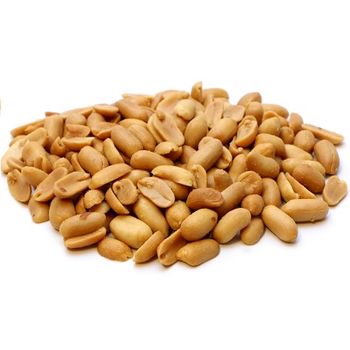
Patients who incorporated small amounts of peanut into their diet experienced increased quality of life.