
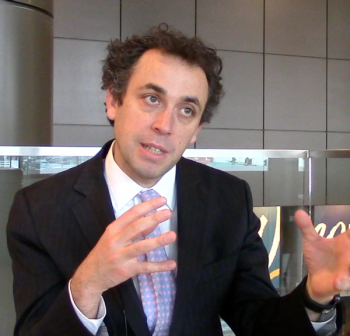
A system which rewards hospitals based on their patient readmission rates may not be considering other factors of care.
A system which rewards hospitals based on their patient readmission rates may not be considering other factors of care.
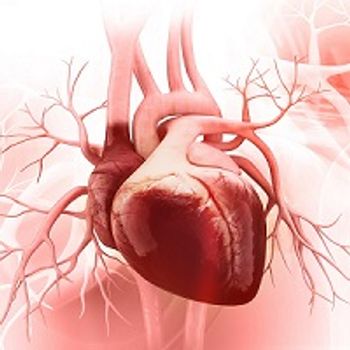
A prospective study found that daily dapagliflozin significantly improved mitral flow, left ventricular mass index, and left atrial volume index after 6 months of treatment.

The Janssen therapy was significantly more beneficial for atrial fibrillation patients than warfarin.

A new study reports an independent association between air pollution and arterial inflammation—and that the former could serve as a predictor to events like stroke and myocardial infarction.

No head-to-head trials exist for the inhibitors, but current data shows consistency across the board for each drug.

The ACC, in conjunction with the AHA and Heart Rhythm Association, released their 2019 guideline for the management of patients with atrial fibrillation.
Recently new therapy options are becoming more evidenced by the day. But have they reached their fullest potential?

Patients treated with dabigatran following myocardial injury after noncardiac surgery were 20% less likely to die of a cardiovascular cause.

Patients who abused substances reported significantly greater cardiovascular and all-cause mortality risk from type 1 MI — despite also reporting lower risks for traditional factors.

The HeartLight Excalibur Balloon, designed for the treatment of paroxysmal atrial fibrillation, is ultra-compliant and can be resized in real-time.
Sephy Philip, PharmD, discussed the results of the ANCHOR trial, as well as the subgroup analysis.
Steve Deitelzweig, MD, discussed the real-world usage of direct-acting anticoagulants in comparison with the conventional warfarin, as well as the benefits they have shown based on a large data analysis.
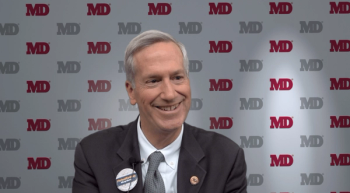
Hadley Wilson, MD, spoke about the new heart failure guidelines and how the ACC is attempting to make them more technologically available, as well as the ACC's efforts to connect with cardiologists on a more worldwide scale to help improve cardiac outcomes globally.
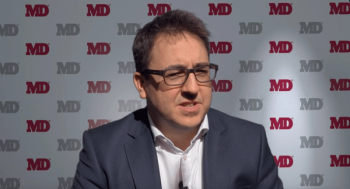
Justin Davies, MBBS, MRCP, PhD, discussed the cost-effectiveness analysis of the DEFINE-FLAIR trial comparing iFR and FFR for patients requiring PCI.

Incorporating underused, but available, imaging technologies like PET/CT to test for calcium in coronary arteries more precisely predicts those at risk for MI and similar threats.

While copayment reduction significantly affected clinician’s choice of medication and improved patient persistence with treatment, it did not impact clinical outcomes at 1 year.

Larry Allen, MD, was part of a deeper look into the hospital readmissions reduction program (HRRP), and what the data that have been presented about it actually mean.

For patients with heart failure, the influenza vaccine can result in a mortality reduction up to 50% in season and 20% out of season.

Listening to music may help prolong exercise and participation, and may possibly have broader implications for exercise.

Findings suggest climate change may increase MI risk.

The risk of myocardial infarction was 2.4-fold higher in patients on short-term P2Y12 inhibitors after 18 months and 5.1-fold higher from month 6 to month 18.

Andexanet was shown to reduce FXa inhibition activity by 91% for patients on apixaban, 88% for patients on rivaroxaban, and 75% for patients on enoxaparin.

No events of primary endpoint occurred in PFO closure arm, whereas it developed in 6 of 60 patients receiving medication therapy alone.

Aggressive supplementation with vitamin D3 just before and after surgery can completely eliminate the observed drop.

As canakinumab lowers hsCRP, as well as interleukin-6, without a negative effect on lipid levels, it characterizes a new class of atherosclerosis medications.
The combined efforts of coaxing from barbers and monthly in-shop care from pharmacists resulted in 63.6% of the cohort achieving target BP levels.

At 6 weeks 68% of those receiving the Triple Pill achieved a blood pressure within their target range, versus 44% of those receiving usual care.

The CVD-REAL 2 study found that compared with other glucose-lowering drugs, SGLT-2 inhibitors reduce all-cause death, hospitalization for heart failure, myocardial infarction, and stroke.

While receiving a large dose of statin therapy did not have an impact on major adverse cardiac events among a broad population of patients, those that underwent percutaneous coronary intervention saw reductions.

Patients that were more optimistic had fewer heart-related hospital visits.