
In an interview at ACC 2023, Harrington elaborated on the upcoming phase 3 Librexia clinical trial program studying the Factor XIa inhibitor for the prevention of thrombotic events.
In an interview at ACC 2023, Harrington elaborated on the upcoming phase 3 Librexia clinical trial program studying the Factor XIa inhibitor for the prevention of thrombotic events.

At ACC 2023, HCPLive editorial team sat down with Clyde Yancy, MD, to learn more about his perspective on recent and upcoming advances in cardiovascular care. In this interview, Yancy discusses his perspective on the clinical trial data surrounding renal denervation as a treatment for hypertension.

An interview with Dr. Annapoorna S. Kini at ACC 2023 breaks down the findings on the effect of evolocumab on coronary plaque characteristics in stable CAD from the YELLOW III study.

Steve Nissen, MD, sits down for an interview to discuss the clinical takeaways, design intricacies, safety signals, and more from the CLEAR Outcomes trial.
Implantation of a pacemaker to enhance exercise heart rate did not improve exercise capacity, symptoms, or exercise cardiac output in patients with HFpEF and chronotropic incompetence in the RAPID-HF trial.
Hosts are joined by Tor Biering-Sørenson, MD, MSc, MPH, PhD, to discuss the NUDGE FLU trial and how the lessons learned can inform implementation strategies for various other types of therapies.

In the largest implementation trial ever conducted, new research from the NUDGE FLU trial suggests informing patients of the potential cardiovascular benefits associated with receipt of the flu vaccine could increase uptake among older adults.
In patients with acute coronary syndrome and multi-vessel heart disease, immediate stent treatment was as safe and effective as staged treatment at one year, according to late-breaking data presented at ACC 2023.
Clyde Yancy, MD, offers insight into his keynote address and the importance of both recognizing and addressing inequities within heart failure management.

In a Q&A at ACC 2023, Drs. Alexandra Murphy and Birgit Vogel of Mount Sinai discuss sex-specific predictors of MACE and the need for individualization of care to achieve equity in cardiovascular health.
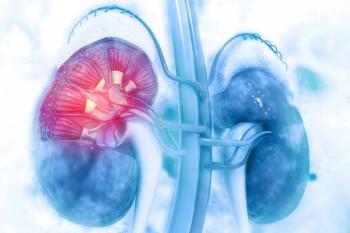
At ACC.23, our editorial team sat down with a pair of leaders in cardiometabolic health to get their perspective on the growing intersectionality of cardiovascular and chronic kidney disease and how patients have been the beneficiaries of this growing recognition.

Results from the STOP-CA trial suggest patients taking atorvastatin for one year were significantly less likely to show evidence of heart dysfunction than those who took a placebo.

The TRILUMINATE Pivotal trial reports a reduction in the severity of tricuspid regurgitation with TEER, but no significant difference in survival or hospitalization after one year of follow-up.
Results of the CLEAR Outcomes trial suggests adherence to bempedoic acid was associated with a 13% relative reduction in incidence of the trial's primary endpoint of 4-point MACE, but no benefit was observed for risk of cardiovascular death or all-cause mortality in the trial.

A new meta-analysis of 9 randomized trials suggests restricting dietary sodium intake to levels below 2.3 grams per day may increase the risk of death in patients with heart failure.
Study co-chair Paul Ridker, MD, shares details behind the new global assessment of the IL-6 inhibitor for patients with atherosclerosis and CKD.

Don't Miss a Beat hosts Drs. Vaduganathan and Greene provide insight into the results of trials from ACC.22 late-breaking sessions they highlighted in the preview episode they recorded ahead of the American College of Cardiology's 71st Annual Scientific Session.
National registry data suggest management and outcomes of ST-elevation myocardial infarction are returning to pre-pandemic levels, though vaccinated patients have fared better in mortality.

Data from PROMPT-HF show clinicians are more likely to add 1 of 4 topline drug classes to a patient's HFrEF regimen when alerted on the opportunity.

Data show omecamtiv mecarbil added to background therapy had no significant improvement regarding exercise capacity.
Mikhail Kosiborod, MD, discusses EMPULSE findings supporting hospital-stage treatment with the SGLT-2—regardless of patients' diabetes status.
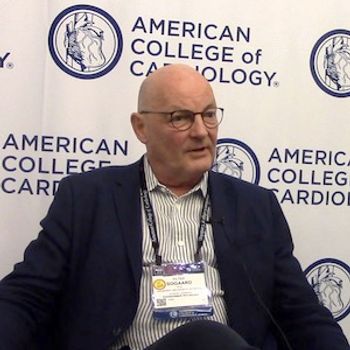
Peter Sogaard discusses the benefit of monitoring for arrhythmias in patients with non-STEMI heart attacks and the need to look at arrhythmias in a different light.
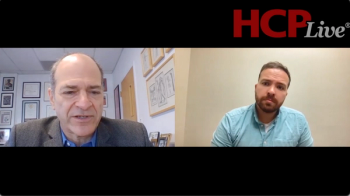
Paul M. Ridker, MD, discusses the latest findings from the canakinumab trial before highlighting his team's work with ziltevekimab in ZEUS.

Dr. Butler discusses findings from the FIDELITY analyses on the consistent benefits of finerenone, regardless of ASCVD history in patients with CKD and T2D.
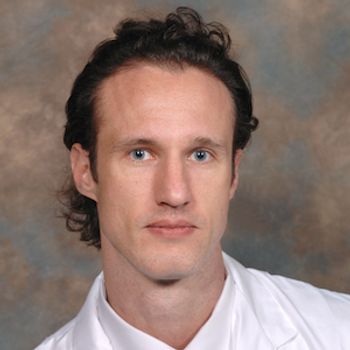
A discussion into broadening the findings of the SuperWIN trial and its potential effects on a larger, more at-risk population.
Dylan Steen, MD discusses positive findings from the trial on links between personalized education and DASH diet adherence.
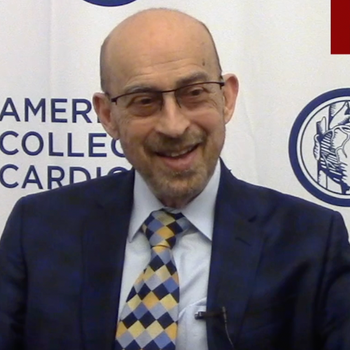
Steve Nissen, MD, reviews the promising phase 1 APOLLO findings, and details what needs to be investigated next for the siRNA.
Once a day readings over a year would detect 98.3% of the first Afib >24 hour episodes, while the probability of ≥1 false positive reading would be 98%.
Deepak L. Bhatt, MD, MPH, reviews the latest phase 2b trial data supporting the fast-acting monoclonal antibody infusion for bleeding risk reversal.
VOYAGER PAD subgroup analyses showed the anticoagulant reduced likelihood of hospitalization without increasing bleeding risk in patients with CKD.