
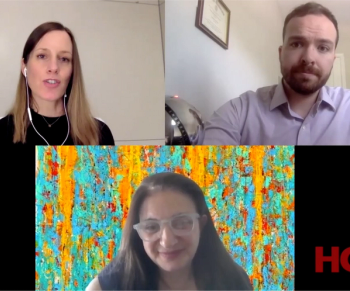
Investigators discuss recently-published secondary sex-based assessments into PCI treatment, as well as their contribution to cardiovascular research action points that lessen the field's disparities.
Investigators discuss recently-published secondary sex-based assessments into PCI treatment, as well as their contribution to cardiovascular research action points that lessen the field's disparities.

Patients on atorvastatin experienced similar rates of adjudicated venous thromboembolism and all-cause mortality compared to placebo.

The 1-year follow-up of the REALITY trial presented at ACC undermines previously reported 30-day findings showing noninferiority to liberal transfusions.

DARE-19 data show a slight improvement in outcomes among hospitalized COVID-19 patients receiving the SGLT-2 inhibitor—showing the cardiovascular drug class is safe in patients with the pandemic virus.
The SGLT-2 inhibitor drug class is expanding into treatment indications experts could not have predicted. Learn how DAPA-HF contributed to the understanding of dapagliflozin.

A post-hoc analysis sought to elucidate the contradictory results between the STRENGTH and REDUCE-IT trials.

Older patients who maintained the multi-domain rehabilitation program saw improvements in various markers of physical function.
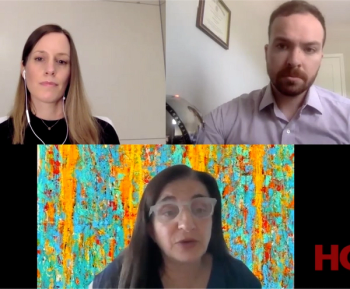
Investigators discuss observed outcomes in females with high-risk PCI treatment, and their continued underrepresentation in pharmacologic studies.

A smaller proportion of patients who used etripamil required an emergency department intervention 5 hours post-administration—compared to placebo users.

Improvements in patient symptoms, function, and quality of life were not sustained once treatment was discontinued.
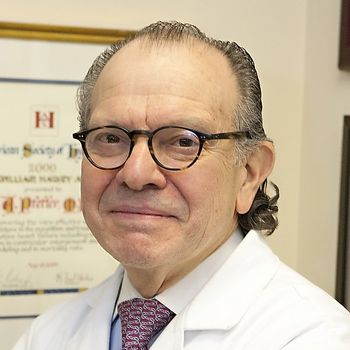
Though the combination heart failure therapy did provide overall benefit versus ramipril in post-heart attack patients, the rate of events reduced was not considered significant.
The first episode of the Heart Trials podcast series focuses on new ACC 2021 research into aspirin dosages for reduced cardiovascular event risk.

Data suggests that the non-vitamin K antagonist blood thinner may be used as default treatment among post-operative patients in need of oral anticoagulation.

Discussing research related to TAVR with a cardiac surgeon from Brigham and Women's Hospital.
Discussing takeaways from the late-breaking abstracts related to TAVR presented at ACC.20/WCC with a cardiac surgeon from Brigham and Women's Hospital.

The latest piece coming to us through Notes from Rounds examines how the timing of hormone replacement therapy can impact potential for adverse outcomes.

How do e-cigarettes fit into the cardiovascular health paradigm? What more needs to be learned?
New findings show the addition of easily identified circulating proteins can provide a more accurate risk assessment.

A discussion on how the COVID-19 outbreak might impact burnout among cardiologists and other medical professionals.
Discussing a study examining rates of burnouts in cardiology with lead investigator Laxmi Mehta, MD, director of preventative cardiology and women’s cardiovascular health at Ohio State University.

A look at the state of cardiometabolic care based on research at ACC.20/WCC from a fourth-year medical student.

How new DAPA-HF findings continue to build the SGLT2 inhibitors' cardiovascular portfolio.
Breaking down the details of the E3 trial, and what more needs to be found in the follow-up.

Patients of both sexes and differing levels of LVEF reported similar reductions in NT-proBNP when treated with the combination therapy, versus lone valsartan.

An interventional cardiologist shares perspective on what the new two-year TAVR findings mean for him and colleagues.

New secondary analsysis from the large-scale heart failure trial shows continued benefit of the SGLT2 inhibitor.

Discussing a REDUCE-IT substudy presented at ACC.20/WCC examining the impact of various EPA levels on outcomes seen in REDUCE-IT.

Results of the TICO study support use of ticagrelor monotherapy for patients with ACS requiring PCI with drug-eluting stents.

New ACC findings show smokers given nicotine or non-nicotine e-cigarettes better in 12-week cessation than those just given counseling.

Results of a TWILIGHT subanalysis suggest ticagrelor monotherapy might cause less bleeding without increasing events in patients with requiring complex PCI.