
The modeled and lifetime QALY costs in the facility and out of the facility were $181,144 and $107,965, respectively, for PPV.
The modeled and lifetime QALY costs in the facility and out of the facility were $181,144 and $107,965, respectively, for PPV.

A population-based cohort study identified that patients with insomnia developed AMD at a rate 0.7% higher than those who did not.
How improvements to patient education, drug costs, and biosimilar therapy availability could keep patients with retina disease away from risky procedures.
Telemedicine screenings provided by a primary care office in an urbanized setting over 2 years showed patients had an 81.9% compliance capture rate—a significant improvement from previous studies in the same field.
The number of anti-VEGF injections patients underwent per 28 days decreased from 0.322 to 0.047 after FAc implantation.
The director of the Section of Uveitis and Vasculitis at Emory University spoke about the potential of this novel delivery method in conditions such as uveitis and retinal vein occlusion.
Researchers found testing is significantly more practiced by patients offered it in person, versus those referred, with little difference found in mutation identification.
Though cell therapies have gained FDA approval to treat any ocular disease, companies have marketed predominately to patients with AMD, with procedures that could lead to blindness.
Though the 2 dosing regimens had comparable visual acuity improvements over 24 months, patients given ranibizumab once-monthly received treatment nearly 6 more times on average.
The treatment, traditionally used for cancer, not only improved BVCA measurements but also resulted in the number of injections patients needed.
At the final follow-up in year 5, 16.5% of eyes had lost >15 ETDRS letters, compared to 33% that had gained >15 ETDRS letters.
Researchers found that, contrary to popular opinion, about 80% of patients are receiving at least 7 dosing regimens of anti-VEGF in their first year of treatment, and that frequency has been proven to improve visual acuity.
The analysis suggests that patients with neovascular AMD may be undertreated in clinical practice settings.
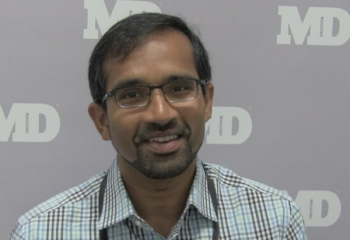
Raj Maturi, MD, talks about the use of sirolimus in combination with aflibercept for patients with chronic AMD.
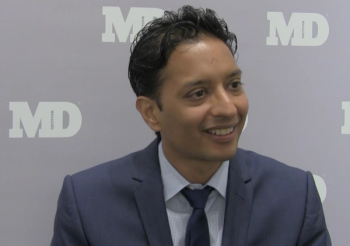
Rajeev Muni speaks about the 1-year results of a randomized trial comparing Pneumatic Retinopexy vs. Vitrectomy in the management of primary Rhegmatogenous Retinal Detachment.
ICON-1 plus ranibizumab effectively reduced CNV size and led to complete drying of the retina for some patients with wet AMD.
Intravitreal bevacizumab effectively lowered the risk of retinal detachment recurrence after primary pars plana vitrectomy.
Patients treated with C3F8 saw a superlative 84% release rate, according to study authors.

While Anti-VEGF medications can be an effective treatment for patients with diabetic macular edema many will not respond to it making steroids the preferred method for care.
While surgeons across the globe have become used to performing procedures with the same equipment as their colleagues there could be some benefit to having tools specifically designed for their individual preferences.
For patients with retinitis pigmentosa the loss of vision can be a difficult consequence of the condition. An implanted device may not give them back the sight they once had but it can provide a chance to see the world around them in a new way.
Doctors treating patients with age-related macular degeneration face a wide range of complications including the potential dosage for anti-VEGF medications. One question is what role these drugs play in macular atrophy.
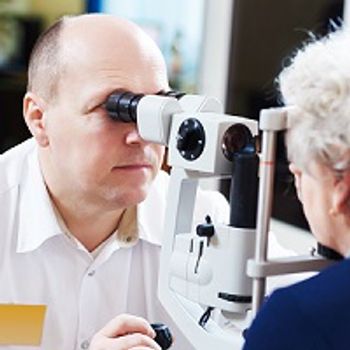
Researchers set out to see how prevalent sleep problems are in people with age-related macular degeneration (AMD) at the 34th Annual Scientific Meeting of the American Society of Retina Specialists (ASRS 2016) in San Francisco, California.
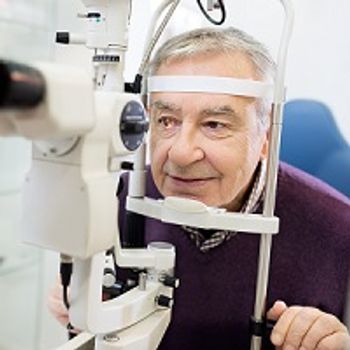
David Eichenbaum, MD, an ophthalmologist from Florida, presented data from the HARBOR study at the 34th Annual Scientific Meeting of the American Society of Retina Specialists (ASRS 2016) in San Francisco, California.