

This HCPLive Five episode focuses on 5 key ophthalmology updates from the ASRS2025 conference.
This HCPLive Five episode focuses on 5 key ophthalmology updates from the ASRS2025 conference.

Avacincaptad pegol, pegcetacoplan, and aflibercept 8mg do not increase risk of ocular hypertension and glaucoma, despite having higher volumes.

Results from a recent trial indicated continuously decreasing risks of all forms of retinal vascular occlusion and retinal vein occlusion for 5 years after treatment.

Both trials indicated lasting visual improvements in patients treated with Ixo-vec who had previously received anti-VEGF injections.

An interim report from the ongoing trial shows few adverse events resulting from 60 weeks of treatment with the combined AAV vector/dual-transgene cassette.

The new, bioerodible intravitreal implant, which periodically releases the tyrose kinase inhibitor vorolanib, may be capable of reducing treatment burden for at least 6 months.

The ongoing Archway-Portal extension study indicates the lasting efficacy and safety of ranibizumab dosing via the Port Delivery System.

Results from the BEHOLD and ASPIRE trials indicate the long lasting effects of UBX1325 in improving retinal function and structure.

The larger dose exhibited better gains in best-corrected visual acuity with fewer injections during the study period.

Recent phase 1/2 trial data indicate the safety and efficacy of the surgical, subretinal injection in monitoring cellular homeostasis.

The pooled sham cohorts of the OAKS and DERBY trials have revealed a series of indicators for faster geographic atrophy lesion growth.

Investigators believe this connection could be used to prognosticate and prevent future cases of diabetic retinopathy.

The combination therapy of aflibercept and micropulsed yellow laser treatment results in good anatomical responses and substantially fewer intravitreal injections.

The mitochondria-targeting medication preserves photoreceptor health regardless of baseline photoreceptor outer segment thinning burden.

Interim data from the ongoing TEASE-3 trial have indicated preservation of best-corrected visual acuity.

Compared to sham treatment, the PER-001 implant is safe, efficacious, and effective in reducing macular ischemia, vascular leakage, and microaneurysms.

Based on an open-label extension of the OAKS and DERBY trials, pegcetacoplan has highlighted the superior effectiveness of early versus delayed GA treatment.

Results from the DAVIO 2 trial have shown the equivalence of a single dose of EYP-1901 to aflibercept Q8W in visual acuity over 6 months.

Post hoc analyses of the TENAYA and LUCERNE phase 3 trials indicated important endpoints that could signal the potential for treatment interval extension.

EYP-1901 successfully achieved an extended time to first supplemental treatment versus aflibercept, indicating a potential for further dose interval extension.

Hahn discusses his recent study evaluating AREDS’s potential for nonsubfoveal GA regression in response to a recent post hoc analysis.

Patient responses indicate that the device is simple and easy to use, and clinical data reflects its effectiveness in recognizing hallmark signals of AMD.

Results from an extension study of the PHOTON trial indicate longer-lasting visual and anatomic improvements in patients receiving aflibercept 8mg versus 2mg.

A recent analysis of data from the phase 3 YOSEMITE/RHINE trials has indicated a greater reduction in hard exudates using faricimab versus aflibercept.
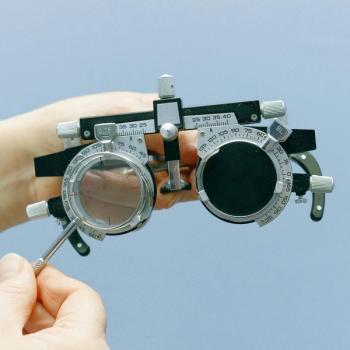
In a trial studying faricimab’s efficacy in Black, Hispanic/Latino, and Native American patients with DME, investigators found results consistent with the YOSEMITE/RHINE trials.
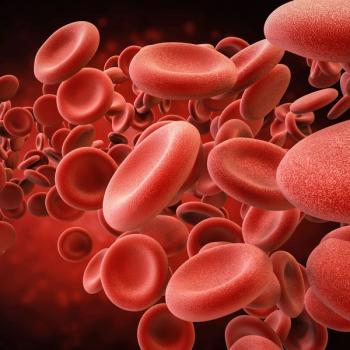
Patients with hemoglobin SS sickle cell disease type may experience a significantly elevated risk of retinal vascular occlusion.

A first-time comparison in US patients displays the protective association of DOACs over warfarin use on RVO and intraocular bleeding risk.

A teleretinal screening program improved the awareness of sickle cell retinopathy and motivated patients to visit an eye care provider.

Older patient age was linked to suboptimal anti-VEGF response for diabetic macular edema in DRCR clinical trials.

Geographic atrophy in eyes with dry AMD and macular atrophy in fellow eyes with neovascular AMD demonstrate similar growth rates.