

Montelukast/levocetirizine combination therapy demonstrates safety and efficacy in phase 3 clinical trial for the treatment of patients with perennial allergic rhinitis who have mild-to-moderate asthma.









Montelukast/levocetirizine combination therapy demonstrates safety and efficacy in phase 3 clinical trial for the treatment of patients with perennial allergic rhinitis who have mild-to-moderate asthma.

Before biologics are implemented, what should physicians be doing to ensure asthma control in their patients?

The addition of a couple of new drug classes at the turn of the century have given clinicians the greenlight to stack therapies at initial treatment.

There’s a challenge to achieve control in some asthma patients since the disease is heterogenous—both allergic and non-allergic triggers can initiate Type 2 inflammatory pathways that can drive pathology.

Joshua Denson, MD, MS, discusses the comorbidities associated with asthma.

Now that real-world data registries are being compiled, the constriction-limiting drug class is now going through personalizations including new titration strategies.

Antonion R. Anzueto, MD, covers the latest research regarding biomarkers in COPD, outlining possible avenues of investigation and addressing regional causes of the disease.

Conflict management education intervention, which includes elements of compromise and awareness, helps improve ICU care.
What makes the monoclonal antibody so enticing to the asthma community?

A 200 mg dose of the monoclonal antibody was also shown to significantly reduce ashtma exacerbations over 1 year versus placebo.

A retrospective review of rural region's hospitals found that even the discharge time of day could be associated with a greater chance of readmission.

Investigators from Brooke Army Medical Center discuss pharmacological and non-pharmacological treatment strategies for tobacco cessation.

Gram-negative bacteria excluding Pseudomonas Aeruginosa has been associated with greater rates of patient mortality, vasopressor administration, and ICU admission.
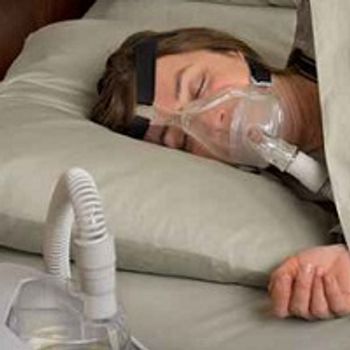
Investigators found that treating for CSA in the patient population significantly decreases mortality risk—despite previous clinical warnings.

Secondhand factors in asthma, such as environmental exposures like pets and secondhand smoke, are not significant in overall disease improvement.

Investigators have shared new disparities of characteristics in men and women with differing severities of respiratory arousal threshold.
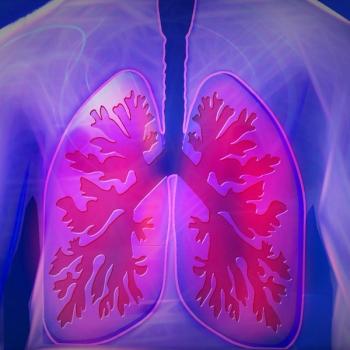
Women are less likely to be administered lung protective tidal volumes (TVs) when being considered as a lung donor.

More IMPACT trial results shows Trelegy Ellipta has benefits for both reversible and nonreversible COPD patients in exacerbations and lung function versus dual therapy.

Data show that while women are underrepresented as fellows of the American College of Chest Physicians, the volume of women applying is increasing.

A new study found that Medicare Part D formulary shifts sometimes result in asthma patients forgoing controller therapy altogether.

The biologic agent has shown efficacy in reducing asthma exacerbations and improving patient quality of life.

Two consecutive CHEST studies showed combination therapy's expanding portfolio.

Telemedicine is more than just a trend in medicine – it's one of the most potent tools available to health systems and patients alike.
There's a perfect storm brewing that makes telemedicine an inevitability in the management of conditions like asthma and COPD.

After implementing a team-based care approach to COPD, one hospital saved $600 per patient, per year.

Asthma is a common problem in the medical community and even while there are many treatment options on the market, controlling symptoms of the condition continues to be an issue for patients and doctors alike.

With the number of patients diagnosed with COPD continuing to grow new treatment options are also needed to help these patients maintain a sustainable quality of life.

While the days of the solo practitioner hanging a shingle in their hometown winds to an end the healthcare community is now turning its attention to how teams can provide the best level of care to patients.

At the annual CHEST conference in Montreal one of the sessions looked at new guidelines for treating patients with sepsis in emergency medical care.

Healthcare providers are supposed to be one of the top advocates for no smoking, right? Well the amount of physicians still lighting up cigarettes is prevalent.