
New data reveals ritlecitinib's long-term effectiveness for alopecia areata, showing significant hair regrowth and sustained benefits in patients.
New data reveals ritlecitinib's long-term effectiveness for alopecia areata, showing significant hair regrowth and sustained benefits in patients.
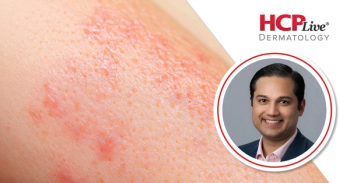
In this EADV interview, Chovatiya highlights some of his session’s most notable takeaways regarding current treatments and new data in the atopic dermatitis space.
Based on 3 propensity-matched control groups, patients with psoriasis can have anywhere from a 40% to 56% higher risk.
New findings confirm delgocitinib cream's safety and efficacy for chronic hand eczema, marking a significant advancement in treatment options.
In this interview at EADV, Pasumarthi highlights her team’s late-breaking data on ritlecitinib’s use among patients with cicatricial alopecias.
Tirzepatide saw improvements in A1C and body mass index, which were maintained over the 30-week trial and into the 52-week extension study.
New research highlights delgocitinib cream's effectiveness for treating chronic hand eczema in adolescents.
This analysis highlights the safety and efficacy of JAK3/TEC inhibition in cicatricial alopecias, presented at EADV.

These late-breaking data at EADV highlight predictive factors for early super response to treatment with bimekizumab for psoriasis.
New phase 2b data reveals temtokibart significantly improves atopic dermatitis symptoms in adult patients.
These HS-OBTAIN phase 2a trial data highlight the impacts of treatment with brivekimig on patients naïve to biologics with moderate-to-severe HS.
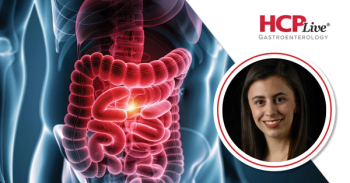
Saggese explains the importance of effective communication in MASH management and emphasizes the need for more therapies to offer patients.
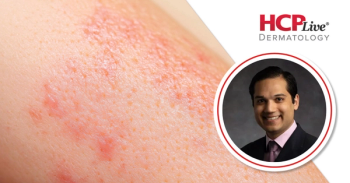
A recent study reveals diverse real-world data on abrocitinib use for atopic dermatitis.

New data reveals bimekizumab offers sustained disease control for hidradenitis suppurativa, improving patient quality of life for 3 years.

Icotrokinra outperforms deucravacitinib in achieving skin clearance for plaque psoriasis, offering a promising new oral treatment option.
These 24-week, interim data from the phase STOP-HS study highlight the impacts of povorcitinib on patients with hidradenitis suppurativa (HS).
Eingun James Song, MD, highlights recent phase 4 data on risankizumab for patients with moderate to severe scalp and genital psoriasis.
Shawn Kwatra, MD, highlights his team’s findings presented at EADV on the efficacy of dupilumab in treating prurigo nodularis.
Brogan discusses the various opportunities and challenges that have accompanied recent evolutions in inflammatory bowel disease management.

Stewart reviews clinical pearls for performing rectal exams and explains common mistakes and misdiagnoses as well as how to avoid them.
Moore discusses the importance of individualizing PBC treatment now that multiple second-line therapies are available.

These interviews with Chovatiya and Stein Gold highlight a variety of key points from the dermatology-centric EADV Congress 2025 meeting in Paris, France.
Gandhi describes the crucial role APPs play in GI bleeding care and the importance of collaborative management of these patients.
Ugras describes recent evolutions in EoE, including new FDA-approved therapies, updated clinical guidelines, and better understanding of its pathophysiology.
Saggese describes recent evolutions in MASH care with the FDA approval of semaglutide and the continued importance of diet, physical activity, and weight management.
Brogan explains how to navigate the complexities of the Crohn’s disease treatment landscape and why patients need to be included in the decision making process.
A look at 13 phase 2 and phase 3 studies with significant implications from EADV 2025's late-breaking sessions.
McCarty explains progress made with new screening options but emphasizes ongoing barriers hindering screening goals and how they need to be addressed.
Skarbinski explains challenges providers face when managing refractory GERD and common misconceptions about its diagnosis and treatment.
Moore describes recent progress in PBC and PSC and how this defined the field of hepatology in 2024, with lasting effects into 2025.