
In a session presented at the 2025 SDPA Fall Conference, a review was given of common genetic syndromes with cutaneous manifestations.
In a session presented at the 2025 SDPA Fall Conference, a review was given of common genetic syndromes with cutaneous manifestations.
New findings reveal sparsentan significantly reduces proteinuria in FSGS patients, offering hope for improved kidney health and lower failure risk.
Finerenone significantly reduces UACR in type 1 diabetes patients with chronic kidney disease, offering new hope for treatment.

At NASPGHAN 2025, investigators presented 52-week safety data from an ongoing phase 3 trial of linaclotide, the first approved treatment for patients aged 7 and older with IBS-C.
Phase 3 trial results reveal atacicept significantly reduces proteinuria in IgA nephropathy, paving the way for potential FDA approval in 2026.
FDA-approved RBL shows 95% success and sustained microbiome restoration in recurrent C. difficile.
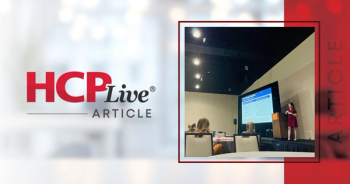
At the 2025 SDPA Fall Conference, Laura Bush, DMSc, PA-C, presented the next iteration of an IMID and Obesity bootcamp session.
This preview of the 2025 NASPGHAN Annual Meeting highlights sessions and expert discussions on pediatric gastroenterology, hepatology, and nutrition covered by HCPLive.
Multicenter data presented by Silvana Bonilla, MD, at NASPGHAN 2025 highlight regional variation in pediatric H. pylori prevalence and support selective biopsy practices guided by clinical suspicion.
Yu describes factors delaying EoE diagnosis and breaks down ways to improve diagnosis and care based on findings from her quality improvement initiative.
This preview of the 2025 SDPA Fall Dermatology Conference highlights different sessions and interviews covered by HCPLive.

View slated expert interviews and 5 clinical trials to watch at AASLD The Liver Meeting 2025.
Afzali details GALAXI post hoc findings on guselkumab in Crohn’s disease.
A multicenter study from NASPGHAN 2025 highlights geographic and immune-driven variations in pediatric H. pylori infection across the Americas.
Catch up with groundbreaking FDA decisions, exciting new GLP-1 news, and more.
Kwatra spoke at Fall Clinical about several key highlights from his sessions discussing atopic dermatitis, prurigo nodularis, and the OX40 ligand (OX40L).
In his Fall Clinical interview, Chovatiya highlights several key takeaways from his talk on generalized pustular psoriasis (GPP) management.
Kidney Week 2025 showcases groundbreaking clinical trials and FDA approvals, marking a transformative era in nephrology and kidney disease treatment.
Susan Corbridge, PhD, and Alanna Kavannagh, MSN, CCRN, discuss the role of advanced practice providers on the evolving pulmonary and critical care teams during CHEST 2025.
Following CHEST 2025, Hanania discusses the progress being made toward more tailored, patient-oriented care in airway disorders.

These phase 4 data from the UnlIMMited trial highlight the efficacy and safety of risankizumab for psoriasis in the genital or scalp region.
In this segment of his Fall Clinical interview, Nestor discussed actinic keratosis and shifts in the rates of skin cancer.

This conference preview with Viet Le, DMSc, PA-C, for the 2025 AHA Scientific Sessions highlights the top 5 trials to watch.
Mayo explains findings from a pooled analysis of pruritus data from RESPONSE and ENHANCE highlighting seladelpar’s impact on itch in PBC.
Nestor spoke in this interview about avoiding cosmetic complications and educating patients on available treatments like toxins and fillers.
In this interview, Swanson highlights the topics covered in her session on oral and injectable medications, and specifically icotrokinra, in the psoriasis pipeline.
Markov model findings showed elafibranor provided greater health benefit at a lower cost than seladelpar in ursodeoxycholic acid incomplete responders.
In the CHECK study, a cross-sectional survey of over 10,000 participants, the prevalence of chronic hand eczema (CHE) in the US was highlighted.
Redd reviews real-world data highlighting low rates of biopsies performed among patients with esophageal food impaction-related emergency department visits.
Dellon reviews data from a post-hoc analysis of dysphagia and odynophagia in LIBERTY EoE TREET and a pooled analysis of endoscopic improvement in 2 trials.