
AASLD 2025 data show mazdutide significantly reduces liver fat, ALT, AST, and insulin resistance in patients with obesity, and MASLD
AASLD 2025 data show mazdutide significantly reduces liver fat, ALT, AST, and insulin resistance in patients with obesity, and MASLD

Data from the DECAF study suggests caffeine may have a slightly beneficial effect on AF recurrence, although investigators urge caution in interpretation.
Findings showed elafibranor led to expression changes of proteins linked to fatigue or mitochondrial function, significantly correlated with each other and with fatigue improvement.
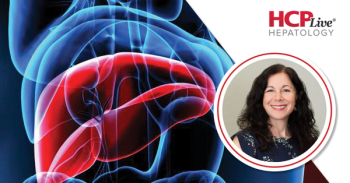
Data presented at AASLD 2025 hepatitis delta patients experience significant physical and emotional challenges, emphasizing the need for holistic care approaches and screening beyond risk-based recommendations.

Navar discusses the groundbreaking results of this phase 3 trial, as well as the implications of an oral PCSK9 inhibitor for treatment adherence and persistence.

At ACAAI 2025, Gross outlined new food allergy ICD-10 codes, clarified documentation rules, and shared tips to help allergists prevent claim denials.
In this segment of his interview, Abbas highlights when to refer a patient for systemic macrocytosis to a hematology or mast cell disease specialist.
Bowlus explains seladelpar’s role in PBC care, including for patients transitioning from obeticholic acid, based on real-world data.
REGN7508 and REGN9933 displayed their efficacy in preventing deep venous thromboembolism in patients undergoing knee replacement surgery in 2 phase 2 clinical trials.

HCPLive spoke with Al Ali at ACAAI 2025 about a study comparing the safety of protocols for milk and peanut allergens.
Katzenstein reviews noninvasive tests used for MASH and explains her research on the ELF test’s real-world potential for predicting liver stiffness.
This interview was on-site at SDPA, featuring a discussion of the tools needed to identify systemic macrocytosis.
Sibeprenlimab shows promising results in reducing proteinuria and improving kidney health in IgA nephropathy.

A recent study reveals that younger patients with glomerular disease face a higher lifetime risk of kidney failure despite similar progression rates.
In a session presented at the SDPA Fall Conference, Karan Lal, DO, spoke on the topic of GLP-1 agonist drugs for weight loss and their connection to dermatology.
Hirschfield describes the burden of pruritus in PBC and reviews late-breaking ASSURE data on seladelpar’s long-term impact on itch presented at AASLD The Liver Meeting.

New global data show limited progress toward WHO’s 2030 hepatitis C elimination goals, highlighting disparities in diagnosis and treatment access.

This Q&A interview with Trickett highlights various topics, including collaboration between PAs and physicians, pipeline news, and topical steroid withdrawal (TSW).
This first-in-human phase 1 trial resulted in a groundbreaking reduction in both LDL cholesterol and triglycerides for the first time in history.
The investigative RNA-targeted antisense oligonucleotide achieved a reduction in fasting triglyceride of >72% in 6 months and sustained it through 12.

This segment of Maloney’s interview at the SDPA Fall Conference discussed off-label uses of JAK inhibitors and other treatment news in dermatology.
Integrating facilitated telemedicine into opioid treatment programs led to SVR, improved patient satisfaction, and long-term health gains 5 years post-cure.
Adding evolocumab to existing lipid-lowering therapies significantly reduced first MACE risk, highlighting its efficacy in reducing cardiovascular mortality.

Phase 3 LIBERTY AIMS data reveal significant reductions in nasal polyps, surgery, and steroid use in patients with AFRS, a challenging CRSwNP subtype.

Neuen and Gale break down groundbreaking insights on Alport syndrome and glomerular diseases, including RaDaR registry data.
Maloney speaks in this interview at the SDPA Fall Conference about off-label uses of JAK inhibitors in dermatology.
Dupilumab maintained histologic and endoscopic improvements across all pediatric age groups with EoE, according to Joshua Wechsler, MD.
Research presented at the American Heart Association Scientific Sessions 2025 has emphasized the progress which still needs to be made in treating CHD.
Dale Lee, MD, told HCPLive that regular monitoring and potential psychosocial support are important to help children with celiac disease maintain a gluten-free diet.

Findings suggest AOOS in liver transplantation is widespread across the US and benefits a small subset of centers, undermining equity and transparency in allocation.