
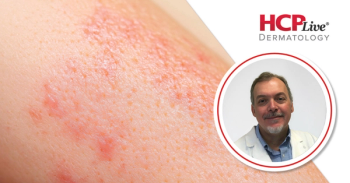
Phase 2b REZOLVE-AD trial data show rezpegaldesleukin improves skin symptoms and asthma control in adults with moderate-to-severe atopic dermatitis.
Phase 2b REZOLVE-AD trial data show rezpegaldesleukin improves skin symptoms and asthma control in adults with moderate-to-severe atopic dermatitis.
Jain describes the phase 3 WIL-33 trial, which marked the first test of pdVWF/FVIII in adolescent patients aged <6 years.
A prediction model ties emergency visits and opioid doses with return visits in children with sickle cell disease pain.

Cohran describes her research on characteristics linked to treatment response to teduglutide for short bowel syndrome-associated intestinal failure.
Zackon discusses a retrospective 20-year analysis, which implies an easier-to-achieve hemoglobin target in myelodysplastic syndrome treatment.
Jang discusses the results of an open-label extension highlighting the comparative efficacy of this combination therapy versus standard-of-care ravulizumab.
End-of-study analysis from the HOPE-B trial shows durable endogenous FIX expression, reduced annualized bleeding rates, and a favorable safety profile.
George highlights bezuclastinib’s effect on bone marrow systemic mastocytosis, emphasizing the drug’s potential in reducing symptom burden.
Data from VAYHIT3 presented at ASH 2025 suggest efficacy and safety of ianalumab in patients with primary immune thrombocytopenia.
Morris discusses this latest trial in a long list of phase 3 studies which failed to evaluate arginine therapy’s value in vaso-occlusive pain episodes in SCD.

Nedelkopoulou emphasizes the importance of structured and multidisciplinary transition programs for young patients with IBD and HPB disease.
Al-Samkari discusses the positive results from the VAYHIT2 trial, which investigated ianalumab in combination with eltrombopag in adults with ITP.
Gwarzo discussed the shortcomings faced by many patients with SCD during pain crises, due to less frequent opioid prescription than guidelines recommend.

Announced by Cogent Biosciences, these data indicate bezuclastinib’s capacity for improving patient-reported symptoms of mast cell burden.

Mallon explains the shared risks linking celiac disease and type 1 diabetes and why early screening improves outcomes.
Strunk highlights reduced length of stay and superior outpatient pain management due to palliative care in hospitalized patients.

Rusfertide shows promising results as a first-in-class therapy for polycythemia vera, demonstrating sustained hematocrit control and safety in recent studies.

This summary of an SDPA Fall session highlights data on the skin microbiome and its impact on dermatologic diseases such as atopic dermatitis.

Hanania explains how IL-33 inhibitors including itepekimab and astegolimab may uniquely benefit COPD exacerbation.

Barr discusses the means to encourage systemic adoption of low dose CT scans to help curb the deadliest cancer in the US.

The phase 2 study of ALXN2050 in IgAN did not meet its proteinuria endpoint, with emerging safety concerns and early termination.

This research, presented at the SDPA Fall Conference, highlights a consensus report proposing the first formal set of dermoscopy proficiency expectations for PAs.
Kirkorian speaks in this interview about her sessions at SDPA Fall on genetic disorders in pediatric dermatology patients.

Halpin reviews the state of triple therapy inhaler prescribing strategies in the era of new biologic options.
Holzem spoke in this interview about several additional highlights from her session at SDPA Fall regarding red flags in dermatology and when to admit from the clinic.

Nicholls highlights tirzepatide’s capacity to lower the risk of heart failure mortality, as well as hospitalizations or urgent visits.
In her SDPA Fall Dermatology Conference interview, Holzem highlights key warning signs for a variety of dermatologic conditions requiring hospital admission.
This interview at the SDPA Fall Dermatology Conference highlights several topics covered in sessions presented by Trotter.

Stein discusses the results of a groundbreaking open-label extension, which indicates the efficacy and safety of this investigative oral PCSK9 inhibitor.

Two large cohort studies found greater infection and implant-related risks in patients with atopic skin conditions after major surgeries.