
This interview at SDPA highlights Gatti's views on the impact of technology on radiology, pathology, and dermatology.
This interview at SDPA highlights Gatti's views on the impact of technology on radiology, pathology, and dermatology.

Tamura discusses the positive results of the phase 2 trial and its implications for the treatment of a specific subset of patients with high-sensitivity IL-6 PAH.
This post-hoc analysis highlights nemolizumab’s long-term efficacy and safety in adolescents with moderate-to-severe atopic dermatitis.
A curated recap of 8 impactful trial updates from the American Society of Nephrology Kidney Week 2025.

New findings reveal the Viaskin Peanut Patch effectively builds peanut tolerance in over 70% of toddlers, offering hope for allergy management.
Phase 3 trial shows MIL62 accelerates remission, reduces relapse risk, and improves kidney function compared with cyclosporine A in adults with primary MN.
Study finds eczema onset at 4–6 months, greater severity, and longer duration linked to lower odds of outgrowing food allergies in children.
The Psoriasis Study of Health Outcomes (PSoHO) was designed as a 36-month, non-interventional, international cohort study of patients with psoriasis.

Late-breaking REZOLVE-AD data show rezpegaldesleukin 24 μg/kg improves skin and asthma, supporting its potential in moderate-to-severe atopic dermatitis.

Grapsa highlights the significant treatment gap between men and women suffering from aortic stenosis, as well as the skewed mortality risks resulting from them.
Gill describes tegoprubart’s efficacy and safety for post-kidney transplant immunosuppression and reviews key phase 2 BESTOW trial data from ASN.

Dual BLyS/APRIL inhibition with telitacicept cut proteinuria and maintained kidney function in adults with IgA nephropathy.
ASN insights on felzartamab, a CD38-targeted therapy, show sustained immune modulation in IgA nephropathy, offering a novel treatment approach.

In this analysis, investigators examined the efficacy of baricitinib in terms of its impact on disease activity and progression of frontal fibrosing alopecia.

At ACAAI 2025, Manning highlighted sustained attack reduction and strong patient preference for donidalorsen across long-term and switch data.

Bhatt discusses the positive results from the phase 2 trial of quarterly and monthly doses of investigational IL-6 inhibitor pacibekitug.
Alkhouri explains the importance of differentiating F3 from cirrhosis and the utility of different noninvasive tests for identifying these patients.

These data highlight a super-response following treatment with delgocitinib cream 20 mg/g in a subgroup of patients with moderate to severe CHE.

A study presented at ACAAI 2025 reveals HAE attacks may start in toddlers, highlighting significant daily burdens and the importance of timely diagnosis and treatment.

Ip highlights the uniform safety of patient-administered etripamil nasal spray across a series of phase 2 and 3 studies.
The SCALE-UP study, assessing patients with atopic dermatitis treated with upadacitinib, points to rapid real‐world efficacy findings on this medication.

New phase 2 data reveals povorcitinib effectively reduces itch and hives in chronic spontaneous urticaria, showing promise as a treatment option.
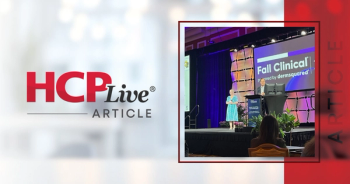
At the Fall Clinical Dermatology Conference, this session provided clinical pearls to clinicians in the pediatric dermatology space.
Noureddin explains HU6’s mechanism of action and phase 2 data presented at AASLD The Liver Meeting supporting its use in MASH.

Gulati discusses how cardiologists should change their standard care practices to include and educate patients, which will reduce treatment burden and improve adherence.

At ACAAI 2025, Trubiano discusses repurposed immunomodulators, T-cell–targeted approaches, and genetic screening for delayed hypersensitivity management.

Whelton discusses the successful results of an open-label extension investigating GMRx2 (WIDAPLIK), a novel triple combination pill for hypertension.

Children with HAE often face delayed or inconsistent emergency care, with clinicians citing limited condition-specific knowledge as a key contributor.
Alkhouri explains findings from the phase 2 WAYFIND trial suggesting the potential of semaglutide and cilofexor/firsocostat for MASH cirrhosis.

Badimon explains the impact of sotagliflozin’s improvements in left ventricular mass, diastolic function, and 6-minute walk test results in patients without diabetes.